TSR is Partnering with Minnesota Mothers Against Drunk Driving

Despite the fact it is illegal, and people are aware of the risks, people continue to drive drunk, resulting in dangerous accidents that cause severe injury and death.

Our firm is proud to announce we are partnering with the Minnesota Chapter of Mothers Against Drunk Driving (MADD). This organization is committed to supporting victims of drunk driving crashes and advocating for stronger laws against drunk driving.

You can learn more about the human toll of drunk driving on the MADD website. Here are some alarming statistics about the problem:

  • 300,000 incidents of drunk driving every day
  • 290,000 injuries per year from drunk driving
  • 10,265 deaths each year are caused by drinking and driving

If you were a victim of drunk driving, give our firm a call today to schedule a free consultation. We have helped many people who were victims of catastrophic crashes.

TSR Injury Law. No Upfront Fees or Obligations. Call (612) TSR-TIME.

Whose Insurance Covers Rental Car Costs After a Car Crash?

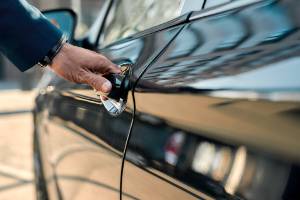
male hand on door handleFor most of us, going just a few hours without reliable transportation can make our lives very difficult. That is why crash victims often need to rent a car to get to and from work, to pick up their kids from school or make it to doctor appointments for their injuries. They may drive the rental for several days or longer while their car is either repaired, or while they wait for the check from the insurance company so they can start shopping for a new vehicle.

Renting a car for just a couple days can be quite expensive. Fortunately, these costs are likely to be covered by insurance, particularly after a crash. Below, learn more about how rental car costs may be covered after a crash.

Rental Car Coverage

If your car insurance policy has rental car coverage, it should cover the cost of renting a car after a crash. If your policy does not have this coverage, you may be able to obtain coverage from the at-fault driver’s policy.

Rental car coverage may only apply for a specified time, such as until your car is repaired or you have time to replace your totaled car. There may also be caps on amount per day or total amount allowed for the rental car duration of use. That is why it is important to get your car repaired as fast as possible or get a new car as soon as possible. Otherwise, you may need to pay out of pocket to continue renting a car.

While insurance is likely to cover the cost of renting a car, you may not get the exact rental car you want. You will be limited by the terms of the coverage or what the insurance company will allow. In other words, you may not be able to rent a car that is as big as your own car.

Talk to the insurance company so you are clear on how long they will cover the rental car. You want to make sure you will not receive an unexpected bill a few weeks or months later.

Coverage for Damage to the Rental Car

Fortunately, state law requires all insurance policies to cover damage to a rental vehicle and loss of use of a rental vehicle. Minnesota insurance policies must also extend basic economic loss benefits, liability insurance and uninsured and underinsured motorist coverage.

Minnesota prohibits rental car companies from selling collision damage waivers or other insurance products unless you acknowledge in writing that your personal auto insurance must cover the cost of damage to the rental car.

Optional Rental Car Coverages

You can choose to purchase additional coverage from the rental car company. For example, you can buy a collision damage waiver that eliminates your liability for damage to the car. Another optional coverage is supplemental liability protection that covers you if you cause a crash. However, this coverage does not kick in until you exhaust your other auto insurance coverage. These extra coverages are also not paid for by the insurance company. You will owe the added costs.

Tips on Avoiding Extra Costs

It is important to remember the rental car company will expect the car to be returned in the same condition as it left the lot, aside from normal wear and tear. Other than that, they will hold you financially liable for any damage to the vehicle, even if it is not your fault.

That is why it is important to carefully inspect the vehicle and tell the rental car company about any damage. Make sure the damage is documented. You may also want to take pictures of the vehicle before you leave the lot, so you have photographic proof of how the vehicle was before you drove it.

TSR Injury Law is Here to Help. Call to Schedule a Free Consultation.

For more than two decades, TSR Injury Law has been helping injury victims in Minnesota recover compensation to help them move forward with their lives. Our Bloomington-based car accident attorneys have obtained tens of millions of dollars on behalf of our clients, including many car crash victims.

We are prepared to thoroughly investigate your crash, build a strong case and aggressively pursue maximum compensation.

There are no upfront fees for our services, which means there is no risk to you in contacting us.

Give us a call today. We are here to help. Call (612) TSR-TIME.

Holding a Third Party Responsible for an Alcohol-Related Accident

Current image: Gavel Next to Keys on Table Social

Alcohol-related accidents happen all too often, resulting in serious injuries and deaths. When an at-fault driver is found intoxicated after an accident, the injured victim may be able to file a claim against him or her. But what about the third party who served the alcohol to the driver?

In Minnesota, a vendor (such as a bar or restaurant) or social host (such as at a house party) generally cannot be held liable if they served alcohol to an adult who then causes an accident. However, a bar could be jointly responsible if they served alcohol to a minor who then caused an injury or death. This also holds true if the bar serves an obviously intoxicated person who later causes a crash.

If you have been harmed or lost a loved one due to an intoxicated driver, TSR Injury Law is here to help. Our firm offers free initial consultations with no risks or obligations. We are well-versed in dram shop laws and social host liability. Our firm has a proven track record of recovering millions in compensation on behalf of our clients.

Understanding Minnesota’s Dram Shop Law

Minnesota’s dram shop law says a third party could potentially be held liable for the actions of a drunk driver if:

  • Alcohol was served illegally.
  • The sale of alcohol played a role in the driver getting drunk.
  • Drunkenness caused your injury.
  • You suffered damages – such as medical costs or lost wages.

Generally, the third party cannot be held liable unless alcohol was served to a minor or served to an obviously intoxicated customer.  Investigation is vitally important to prove a dram shop.  How can we prove a person was overserved?  What witnesses were at the bar?  What employees were on the clock and what was their training to make sure they do not overserve customers?  What drinks were served and can we find credit card receipts to prove it?  Is there video of a customer falling down or acting drunk, yet kept getting served?  Necessary evidence often disappears over time.  Memories fade or receipts get lost.  Videos get erased or recorded over.   The blood alcohol of the driver is often not enough evidence by itself to prove over serving.

In addition to evidence being tough to gather, bars aggressively defend these claims.  If accused of serving a minor, they may claim a fake I.D. was used.  If accused of overserving, they may argue there is no video, that a friend came to their bar and took the alcohol back to a table so the bar tender never saw the obvious intoxication, or they may argue the driver left their bar and went to another bar before causing the crash.  The claimant has the burden to prove the claim.  The bar simply has to poke holes in the evidence.

Social Host Liability for Underage Drinking

A social host is an adult who hosts parties where alcohol is served on a property he or she owns, leases or otherwise controls. For instance, parents may allow their underage children and underage friends to consume alcohol in their home.

However, this is illegal. If a social host served alcohol to a minor who then drives while intoxicated and injures someone else in an accident, he or she could be sued for negligence.

Taking Legal Action Against a Third Party

Anyone injured or killed in an alcohol-related accident by an underage driver may be eligible to bring a claim for damages against any third party who knowingly provided alcohol to the minor.

Vendors or social hosts cannot be held responsible unless your attorney can prove negligence played a role in the accident and your injuries. In other words, your lawyer must establish a third party had a legal duty to act as another reasonable entity would have by refusing to serve alcohol to someone not of legal drinking age.

Having legal representation on your side would be beneficial in these cases. Our experienced Bloomington car accident attorneys are prepared to conduct a thorough investigation and gather evidence to help build a strong case for compensation on your behalf.

Damages Available for Alcohol-Related Accidents

The amount and types of damages injured victims of alcohol-related accident could recover will vary. However, some damages that may be available include:

  • Medical bills to help treat the injury
  • Lost wages and benefits if unable to work
  • Property damage caused by the accident
  • Pain and suffering, both mental and physical

No Upfront Fees for Our Legal Services

TSR Injury Law is ready to hold those responsible for your injuries accountable. We have decades of experience pursuing compensation for car crash victims. To date, our firm has recovered millions of dollars in compensation on behalf of Minnesota residents.

Call us today to discuss your potential case in a free initial consultation. We do not charge upfront fees to represent you and no costs unless we are successful in recovering damages for you.

Trusted. Local. Lawyers. Ph: (612) TSR-TIME.

Study Shows Stop Lines Not as Effective as Intended for Driver Safety

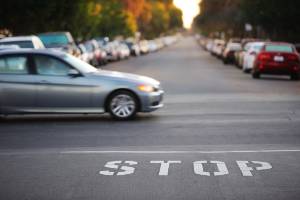
car crossing intersection in front of stop lineTraffic safety officials take certain precautions to keep drivers and pedestrians safe. Often, those measures are taken by analyzing driving patterns and traffic density.

One of the measures taken by traffic safety officials in Minnesota is the use of white safety lines called “stop lines” to designate the spot where drivers are meant to stop at an intersection. However, a recent study shows these lines were ineffective in keeping driver’s safe by getting them to stop sooner.

What Are Stop Lines?

Stop lines, also called stop bars, are white lines drawn on the road at intersections where there is a stop sign or traffic light. They are meant to show drivers where they should come to a full stop at the intersection.

These lines are often put in because of vision obstructions for other drivers on the road. Say the stop sign at a particular intersection is right at the intersection, this could potentially be troublesome for drivers who are making a turn that crosses the path of the vehicle stopped at the intersection – if the car at the stop sign is pulled all the way up to the sign, the car making the turn could scrape the front of the other car by not making a wide enough turn.

What Does the Study Show?

The study, which was conducted by the Minnesota Local Road Research Board, was carried out for over 14 years observing the metropolitan intersections where the stop lines are painted. The study found that the lines were ineffective at getting drivers to stop where they are meant to stop.

The Star Tribune reports that the study’s lead investigator, John Hourdos of the University of Minnesota, says that the stop lines are effective in slowing drivers down.

Hourdos tells the Tribune “stop lines do affect the driver’s approach behavior, so if they are used, they need to be used appropriately. Since they are not globally beneficial, they can be used on locations where vehicles are approaching at high speeds to slow down the unavoidable roll-and-stoppers.”

What was the Purpose of the Study?

Stop lines, or bars, are used almost everywhere in the United States. And although drivers are legally required to stop at stop signs and traffic lights, there is no law that says they must stop on or before the stop lines. That is why researchers wanted to review the effectiveness of the stop bars in reducing crashes and promoting driver safety.

Have Questions? Call Us Today

If you have been involved in a crash with a driver who did not stop at the designated stop lines of an intersection, you may be wondering what legal options are available to you.

The Bloomington-based car accident attorneys at TSR Injury Law are prepared to review your claim and see if you are eligible for compensation.

We do not charge you anything up front and only get paid if you do.

Call today to schedule a free consultation at (612) TSR-TIME

Do I Get to Decide Where to Take My Car for Repairs After a Crash?

Crash victims may experience confusion after a car crash. Insurance companies love to take advantage of this uncertainty to deny or lower the value of a claim. It also comes into play for simply trying to fix your car damage.

That is why it is so important for crash victims to meet with a licensed attorney. Our Bloomington-based auto accident attorneys expect these types of tactics from insurance companies, and we are prepared to deal with them on your behalf.

Below, learn more about handling damages to your vehicle, including whether you get to choose the shop that does your car repairs.

At TSR Injury Law, we charge nothing for an initial consultation or while working on your claim. Meeting with one of our lawyers is risk-free. We have obtained millions on behalf of crash victims.

Choosing a Repair Shop After a Car Crash

You have the right to decide where to get your vehicle fixed after it gets damaged in a crash, just like you have the right to decide where to get treated for your injuries. The insurance company cannot require you to take your car to one shop or interfere with your decision to take it somewhere else.

Your insurance should cover the reasonable costs of repairing your vehicle back to its pre-crash condition. Using your car insurance to repair your vehicle is not like using your health insurance for medical treatment. There is no network of repair shops that limits your choices. Your car insurance company cannot decide to cover less of the cost because you chose the mechanic, and they did not.

You should take your car to a repair shop you feel will do quality work and charge a fair price for parts and labor. You need reliable transportation to get back and forth between your home and your workplace. You may find a reputable shop simply by asking friends and family members for recommendations and doing your own research, including looking at customer reviews.

It is also a good idea to check whether a repair shop carries the appropriate industry qualifications, such as certifications from the National Institute for Automotive Service Excellence and/or Inter-Industry Conference on Auto Collision Repair. These certifications help to ensure mechanics meet the appropriate standards when working on your car.

There are also things you may notice about a shop when you walk in. For example, are they busy? If not, that may be a bad sign. Is the place dirty? Does it seem chaotic? If so, you may want to take your car somewhere else.

Am I Required to Get a Few Estimates?

There is no law requiring you to get multiple estimates for repairs after a crash. That said, your insurance policy may require getting multiple estimates for repairs. That is why it is important to carefully review an insurance policy before purchasing it.

Are There Benefits to Working with a Shop Approved by the Insurer?

There is nothing wrong with using a repair shop recommended by the insurance company. In fact, because the insurance company is used to working with the repair shops they recommend, it could speed up the claims process. They will likely handle all the paperwork and do so more efficiently than if you had to deal with it yourself. That may result in you getting your car back sooner. Repair shops may prioritize work done on vehicles insured by a company they regularly work with.

Another potential benefit is related to the warranty for the work done on your car. A repair shop usually issues a warranty of about one to two years on its work. However, the insurance company may extend the warranty for as long as you own the car if you use their approved shop.

Contact TSR Injury Law Today for Legal Help

Give us a call today to learn more about the importance of experienced legal help after a crash. Our lawyers have helped many crash victims over more than 20 years serving Bloomington, Minneapolis, and the surrounding areas.

Learn more by calling to set up a free consultation. Call: (612) TSR-TIME.

TSR Injury Law Recovers $3 Million for Nurse Who Suffered Brain Injury in Semi-Truck Crash

Current image: Scales of Justice on Table in Court Social

Commercial truck crashes often result in serious and long-lasting injuries. Unfortunately, that is what happened to a 53-year-old nurse who was rear-ended by a semi-truck on highway 94. She suffered a mild traumatic brain injury, PTSD, anxiety, fatigue, and neck and back injuries.

TSR Injury Law is proud to announce we were able to recover significant compensation on her behalf – $3,041,784.10 in total compensation was awarded by a panel of arbitrators. You can learn more on our case results page. Click the “Truck Accident” tab – it will be the first result you see.

The victim was represented by partner Rich Ruohonen from the start of the case until it concluded four years later.

The victim was injured when a semi-truck crashed into the back of her vehicle. The force of impact pushed her vehicle into a truck in front her. The truck was also pushed into another car. This resulted in all three vehicles being totaled.

The victim has experienced significant challenges since the collision, including not being able to work for 10 months and being unable to work in the same capacity as before.

Unfortunately, the trucking company did not agree the victim’s injuries were as severe as her doctors claimed they were. Eventually, both parties agreed to enter binding arbitration with a three-lawyer panel.

The victim was able to recover all of her lost wages and future damages, which will be a great help to her as she looks to move forward after this life-changing incident.

If you were injured in a truck crash, give us a call to learn more about how we may be able to assist you. There are no upfront fees, and we are not paid unless you receive compensation.

TSR Injury Law. Local. Licensed. Lawyers. Call (612) TSR-TIME.

My Tag was Expired at the Time of the Crash. Can I Still File a Claim?

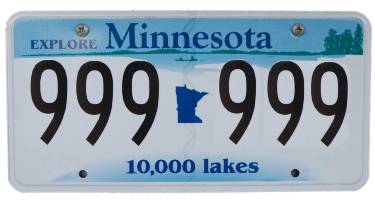
fake minnesota license plateWhen policyholders file a claim after a crash, car insurance companies will look for any reason to accuse them of negligence. They may even refer to things that have nothing to do with the cause of the crash, such as your driver’s license status, a front headlight being out on a rear end crash or an expired tag.

Insurance companies are hoping crash victims will take their word for it about their role in the crash and accept whatever lowball offer of compensation they make. Crash victims are often desperate for compensation and unsure of the value of their claim.

Below, learn more about what effect, if any, an expired tag may have on a car crash claim. We also discuss Minnesota regulations on renewing vehicle tags and penalties for failing to do so.

If you have questions after suffering an injury in a car crash, give us a call to schedule a free initial consultation. We have helped many crash victims recover compensation to help them move forward with their lives.

Expired Tags and Car Crashes

An expired tag has nothing to do with what caused a crash to happen. Most crashes are caused by one driver’s negligent actions, such as speeding, tailgating, distracted driving or drunk driving. While it is careless to forget to renew your tag, it does not mean you are to blame for the crash.

You are likely to be cited by police when they arrive at the scene. However, citations or tickets for things that had no bearing on the crash should not affect your claim for compensation. If you were cited for reckless driving or violating the rules of the road, that may affect your claim.

It is important to note Minnesota is a no-fault state, which means fault plays no role in pursuing a claim against the personal injury protection coverage for medical bills and wage loss. That is not to say fault plays no role in a claim – if you are injured and want to pursue a bodily injury claim, you will pursue compensation from the other driver’s insurance coverage and fault does factor into that.

You should take anything the insurance company says with a grain of salt and strongly consider discussing things with a licensed attorney. You do not need to say much to the insurance company, and if you are not cautious, you could say something that hurts your claim.

Minnesota Regulations on Tag Renewal

In Minnesota, you have until the last day of the month your tag expires to pay to renew it. You must display the new sticker within the 10th day of the next month.

Penalties for Failing to Renew Your Vehicle Registration

The fee for failing to renew your vehicle registration in time is four or five times the fee to renew. That means you could end up paying a fine of somewhere between $125 and $225. If you do not pay the fine, a warrant could be put out for your arrest. If you get stopped because of an expired tag and the police discover such a warrant, you could be placed under arrest and your vehicle could be impounded.

The last thing you want to have to deal with after a crash is your vehicle being impounded and you being placed under arrest.

Have You Been Injured in a Crash? TSR Injury Law may be able to Help

There are many benefits to meeting with an experienced Minneapolis-based auto accident lawyer after a crash. Learn more by calling TSR Injury Law to set up a free, no-obligation legal consultation. This is an opportunity to learn how we may be able to assist you during this difficult time.

No upfront fees or obligations. Call TSR today: (612) TSR-TIME.

Filing a Car Crash Lawsuit After Receiving a Traffic Citation

Unfortunately, many people hold a variety of misconceptions about seeking compensation after a car crash. People may even be discouraged from pursuing compensation because they think it will be too difficult or complicated, particularly if they are partially at fault.

However, it is never a bad idea to call an experienced lawyer to discuss the situation. You could still be able to seek compensation, even if you received a citation from the police officer at the scene.

Below, learn more about the types of traffic citations often given out after a car crash and how they may impact your claim for compensation. If you have questions about the legal process, you can call TSR Injury Law for help.

No-Fault Insurance Coverage

It is important to note Minnesota is a no-fault state, which means you can file a claim (for medical bills and wage loss) against your personal injury protection (PIP) coverage no matter who is at fault for the crash.

However, if you are injured, you may also want to make a bodily injury claim against the at fault driver’s insurance.  This is especially true when a crash results in severe injuries and your damages may easily exceed your PIP limits. Fault does matter when making a bodily injury claim.

If fault must be considered, things like traffic citations may be used against you by the insurance company. They may claim a citation for some minor offense indicates carelessness on your part. The insurance company may try to exaggerate your amount of fault to lower the value of your claim.

Common Traffic Citations for Crash Victims

While the other driver may bear most of the fault for your crash and receive a traffic citation, victims could also be ticketed. Sometimes these citations are for minor infractions that had nothing to do with the crash itself.

For example, you may be ticketed for not wearing your seat belt. Not wearing a seat belt could dramatically increase your risk of serious injury in a crash. That is why many states have seat belt laws – in Minnesota, not wearing a seat belt is a primary offense and you could be ticketed and fined $25, but it cannot be used against you in a civil injury claim.

You might also be ticketed for having a broken headlight, even though this is unrelated to the crash. The broken headlight did not cause the bad driver to rear-end you, so while it may matter for a criminal ticket, it does not for the civil injury claim.

The insurance company may try to use these tickets against you, and that is why you should strongly consider hiring a Bloomington-based auto accident lawyer to assist you. The attorneys at our firm know the tricks insurance companies use against crash victims, including arguments they often use to deny or devalue claims.

Tickets for More Serious Offenses

You may be cited for more major infractions after a crash, such as a right-of-way infraction or speeding. No matter who did what, you can always make the pip claim.

However, serious criminal violations can greatly affect the bodily injury claim against the other driver’s insurance. Under Minnesota’s comparative negligence law, you can still recover compensation if you are not more at fault than the other party. In other words, you cannot be more than 50 percent to blame for a crash. Your claim will be reduced by whatever true fault you are assigned. For example, if you are 20 percent at fault for the crash and have $10,000.00 in property damage and $20,000.00 in injuries, the other insurance (who is 80 percent at fault) still owes you $24,000.00.

That means your percentage of fault for the crash is crucial. If you think you are being assigned more fault than you deserve, you should contact a lawyer to advocate for you. Even though the traffic ticket you were given may be valid, the percentage of fault the insurance company is assigning based on that ticket may too high. Insurance companies often argue everyone is 20 percent at fault for just being on the road, so when they see a ticket, the fault blame game only goes up.

Another factor to consider is: was the ticket violation a cause of the crash? If your ticket is for drunk driving or going the wrong way on a road, the crime also matches fault and there will be no injury claim.  However, some serious ticket violations are not a “cause” of the crash. Two examples are driving without insurance or without a license.  Each of these offenses are illegal and bad, but not having insurance did not cause the other driver to rear-end you. The “crime” of no insurance did not cause the crash and there is no fault that can be fairly assigned to you.

Contesting Tickets

Many people simply pay their traffic tickets and move on. However, it may be possible to contest your ticket. The ticket should say how you can contest it and how much time there is to do so.

It is important to note that if you do contest the ticket, it will be your word against the officer’s. That is why it is important to have witnesses or other evidence (pictures, dash cam footage) to support your argument. If the officer was not at the scene to witness the crash, but an impartial witness was there, he or she may provide the evidence you need to overturn the ticket.

If you successfully contest the ticket, the insurance company will not be able to use it against you, helping to potentially increase the value of your claim.

Injured in a Crash? Call Today for Assistance

Our law firm has been helping crash victims for more than two decades and we have recovered millions on behalf of our clients.

The initial consultation with one of our licensed attorneys is free of charge and comes with no obligation to take legal action. That means there is no risk to you in calling to find out what we may be able to do for you. Unlike the insurance company, our goal is to obtain maximum compensation for your damages to help you move forward.

Call TSR Injury Law today to schedule a free consultation. Phone: (612) TSR-TIME
Staying Safe if You Try to Gather Evidence After a Car Crash

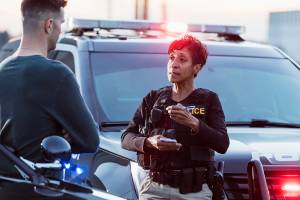
questioning accident victimWe have all seen drivers standing by their wrecked cars surveying the damage or exchanging insurance information. Most drivers passing by are careful to avoid the damaged vehicles.

However, it can be dangerous to get out of your car on a busy street or highway. Passing cars may be traveling much too fast to avoid a collision, putting your vehicle at risk of further damage and you at risk of severe or even life-threatening injuries.

It is important to remember your safety is your number one priority after a crash. You may be concerned about gathering evidence for your insurance claim, such as taking pictures of the damage to your vehicle. While this is important, you do not want to put yourself in harm’s way just to get a picture.

Below, learn more about staying safe when trying to collect evidence after a crash, including when it may be best to simply stay in your vehicle.

The Minneapolis-based auto accident lawyers at TSR are prepared to manage every step of the legal process on your behalf, including the investigation of the crash. Schedule an initial consultation today to learn more.

Getting Out of the Path of Traffic

Whenever possible, move your vehicle out of the path of oncoming traffic. If there is a shoulder to the road, move as much of your car into that area as possible. You should also turn on your hazard lights to help alert approaching drivers of your stopped vehicle. Some drivers have an emergency kit with road flares, and these can also be helpful.

You should not count on passing motorists to drive defensively or even to see you. You have probably heard about the epidemic of distracted driving – many drivers are not fully aware of the other cars around them, much less disabled or wrecked cars on the roadside.

Should You Get Out of Your Car?

If your vehicle is out of the path of oncoming traffic, it may be safe to get out and exchange information with the other driver and survey the damage.

However, be careful about getting out of your car if you are on the right side of the road, as if your driver’s side door is nearest to the road. If possible, you may want to slide over and get out the passenger door instead. If you get out the driver’s side door, do not stand on that side of the car, as you could easily get clipped by a passing car whose driver is not paying attention or speeding. You may want to walk around to the other side.

It is important to note if you are in a lot of pain and moving around hurts, it may be best just to stay put until the ambulance arrives. If you get out of the car and move around, you could aggravate your injuries and cause new ones. You may think the pain is minor, but it could be a sign of a severe injury. Adrenaline can sometimes mask pain or make it seem manageable, even though it may get much worse later.

Collecting Evidence

If you do get out of your car and want to take pictures, feel free. It is a good idea to watch the road for any passing cars that may be drifting a little too close. You can also use this opportunity to exchange insurance and contact information with the driver and call 9-1-1 unless the other driver has already done so.

If any other cars stop to help or you see pedestrians who may have witnessed the crash, you may want to ask them what they saw. If you get their permission, you can record the conversation on your smartphone for future reference.  At a minimum, get all witnesses’ names and numbers so they can be contacted later.

What if the Other Driver Gets Angry?

Sometimes at-fault drivers get angry with crash victims, acting as though they caused the situation. At-fault drivers may also be angry at the inconvenience of having to wait for the police to arrive.

If the other driver yells at you or seems aggressive, it may be best to stay in your car and lock the door until the authorities arrive. Avoid making eye contact because it may set the other driver off. It is best not to engage with someone who is acting aggressively.

Aggression could be a sign the other driver is under the influence of drugs or alcohol. If you think drugs or alcohol may be involved, be sure to tell the police your suspicions when they arrive. They can then decide if it may be necessary to do a field sobriety test or breathalyzer test.

What not to Say After a Crash

Even if you think you may be partially to blame for the crash, it is best not to say anything about it to the other driver. The investigation will uncover whether your actions may have played a role in the collision. Crash victims tend to blame themselves, even if they did nothing wrong.

You should also avoid getting angry with the other driver because it could spark a confrontation. If you focus on collecting evidence and getting medical treatment, you will be doing a lot to help preserve your claim. Meeting with a licensed attorney is also important.

Call TSR Today for Help After a Crash

For more than two decades, the licensed attorneys at our firm have been helping car crash victims recover compensation for their damages. We understand how devastating these situations can be and that is why we are dedicated to pursuing maximum compensation. We are also prepared to go to court if necessary.

Meeting with us after a collision is risk-free, as there are no upfront fees for our services. We do not get paid for representing you unless you are compensated.

Learn more by calling today: (612) TSR-TIME

Liability for a Crash Involving a Disabled Vehicle on the Roadside

If you get a flat tire or something else happens that forces you to pull over, it is very important to get to a safe location away from the flow of traffic. You do not want to be in harm’s way and potentially get hit by a fast-moving car. Not only could your car suffer significant damage in such a crash, but you may suffer severe injuries as well.

However, there is another reason to move your car into a safe location. While passing drivers are required to pay attention to their surroundings to avoid a crash, drivers of disabled vehicles have an obligation to give passing drivers enough room to safely get by.

If you leave part of your car jutting out into the road in such a way it is difficult for passing cars to get by, you could potentially be held liable for damage to the passing car.

Below, learn more about liability in these types of crashes and how this could impact a claim for compensation.

Does Minnesota Law Address These Situations?

Minnesota’s Move Over Law may apply if emergency responder vehicles were at the scene. This law says passing cars are required to move one full lane away from stopped emergency vehicles with their flashing lights activated. (If it is not possible to move over one lane, drivers must reduce their speed.)

Emergency vehicles include:

  • Ambulances
  • Fire trucks
  • Law enforcement vehicles
  • Construction vehicles
  • Tow trucks
  • Maintenance vehicles

This law applies on roads with at least two lanes.

If a driver does not comply with the law, he or she could be fined more than $100. If this happens, it may be easier to prove this driver was at fault for the crash.

What if There Were no Emergency Vehicles at the Scene?

Even if no emergency vehicles are present, it may be reasonable to expect passing drivers to move over one lane or at least slow down to reduce the risk of a crash with a disabled vehicle. For example, if there was light traffic and the disabled vehicle is clearly visible from a significant distance, it may be reasonable to expect passing drivers to take precautionary measures.

What About the Driver of the Disabled Vehicle?

You can be sure insurance companies will look for any reason to blame you for a crash, whether your vehicle was disabled or not. That is why it is important to do your best to avoid putting yourself in a situation where you may be found liable for a collision.

Do your best to pull off to the side of the road and out of harm’s way and put your hazard lights on. If possible, you may want to exit the vehicle and move a safe distance away from it. However, you do not want to exit the vehicle only to stand right next to it. You could get hit by a car or suffer severe injuries if your car gets hit.

Call for help right away, as a tow truck or police vehicle can put its lights on to help make your vehicle more visible to approaching drivers.

If you do not take reasonable measures to reduce the risk of getting hit by a passing car, you can be sure the insurance company will take note and try to use this against you.

However, it is important to note that even if you are found partially to blame, the passing driver may shoulder a significant portion of the blame, particularly if he or she was speeding or distracted.

Does Fault Even Matter After a Minnesota Car Crash?

Minnesota is a no-fault state, which means you can seek compensation for your injuries and some other damages from your own insurance, regardless who is at fault.

However, personal injury protection (PIP) coverage does not pay for damage to your own vehicle. You may need to file a claim against the other driver’s liability coverage. In that scenario, fault does come into play.

Also, if your PIP coverage runs out, you may need to file a claim against the other driver’s policy for additional coverage. In a third-party claim, you and your Bloomington-based car accident attorney would need to prove the third party was liable for your damages to have a chance to obtain compensation.

Struggling to Obtain Compensation? Give Us a Call

If you need help after a car crash, give us a call today to schedule a free initial consultation. We have helped many crash victims and we know the many issues you are dealing with.

There is no risk in contacting us because we do not charge any upfront fees. That means no fees to take your case and no fees while investigating and pursuing compensation. Our attorneys do not get paid unless you get paid.

Call today for answers to your questions. (612) TSR-TIME

Can You File a Snowmobile Crash Claim if You Were Not Wearing a Helmet?

Current image: Riding a Snowmobile Social

Winter is almost here, and for some of us that means getting out the snowmobile for some fun in the snow. Unfortunately, when we have fun in our free time, we are often not as focused on safety as we should be. That can lead to risky behavior and some dangerous oversights, such as not wearing a helmet.

You may think the snow could act as a cushion and keep you from getting hurt. However, the snow will not prevent serious or even life-threatening injuries. Snow is not the only thing to be concerned about either. You could fall off the snowmobile and land on a dangerous object covered in snow, get launched into a tree or strike some other obstacle that is hidden by snow.

If a crash happens because of another’s negligence, you may be eligible to file a claim. However, what happens if you get injured and you were not wearing a helmet?

Below, learn more about snowmobile accident claims involving victims who were not wearing helmets. If you were injured in this type of accident, our snowmobile accident lawyers in Bloomington are prepared to help. Schedule a free consultation where you can get answers to your questions.

State Laws That May Apply

In Minnesota, only those under the age of 18 are required to wear a helmet while riding a snowmobile. However, you cannot simply put on any helmet. The helmet must be approved by the Department of Transportation (DOT). DOT-approved helmets conform to federal vehicle safety standards and generally display the DOT symbol.

The only exception to the requirement to wear a helmet is if the rider is:

  • Taking part in a parade
  • Operating the vehicle on land that belongs to your parent, grandparent, sibling, uncle or aunt

There may be some confusion as to who is required to wear a helmet. This may be because wearing a helmet is encouraged for everyone by Minnesota’s Department of Natural Resources, not just those who are under the age of 18.

Due to this strong safety recommendation, you may ask: If I was not required to wear a helmet, how could it affect a claim for compensation?

Generally, if you are injured by another person on a snowmobile, a claim is made to their homeowner’s insurance.  The insurance company is likely to be looking for ways to deny or at least devalue your claim. By not wearing a helmet, you may put yourself at greater risk for injury and the insurance company will try to use that as justification for lowering the value of your claim.

They may refer to Minnesota’s comparative fault law, which says you can only recover compensation if you are less than 50 percent at fault for your injuries. If you are not more than 50 percent to blame, your final compensation award will be reduced by your percentage of fault. If you are more than 50 percent at fault, you will be barred from receiving compensation for your damages, no matter how injured you are.

However, courts generally prohibit insurance companies from reducing the value of a claim because a victim was more susceptible to injury. In other words, you must take the victim as you find him or her. If you were injured due to another’s negligence, you should be eligible for compensation. Your own negligence may have played a role in your injury, and that can be factored into the value of your claim.

If you think the insurance company is attempting to use the fact you were not wearing a helmet against you, TSR Injury Law may be able to help. We are aggressive negotiators who pursue maximum compensation on behalf of our clients.

Why You Should Always Wear a Helmet on a Snowmobile

Blunt trauma to the head is one of the most common causes of death when riding a snowmobile. That is why protecting your head is so important. It is important to note a helmet may not eliminate all the risks of riding a snowmobile, but without it your risk of a serious head injury increases dramatically.

The main benefit of a helmet is an extra layer of protection around your head. However, there are other features of snowmobile helmets that can help you stay safe. For example, snowmobile helmets have a dual-pane shield to prevent your goggles from fogging up or freezing while you are riding. Some helmets also have insulation to help keep you warm. If you get too cold or cannot see clearly, you are at higher risk of crashing into something.

Call for Experienced Legal Help

At TSR Injury Law, we have helped many personal injury victims in Minnesota recover compensation for their damages – over a billion recovered.

Remember, there is no upfront fee for working with our firm. We are not paid until the end of the legal process and only if we recover compensation on your behalf.

Need legal assistance? Call TSR today: (612) TSR-TIME.

TSR Donates to Minnesota Adult & Teen Challenge to Help Those Struggling with Addiction

Current image: People at Support Group Meeting Social

Millions of people in Minnesota and throughout the nation struggle with drug and alcohol addiction every year. That is why organizations like Minnesota Adult & Teen Challenge are so important. People need help overcoming addiction and Adult & Teen Challenge has been providing help since 1983.

On this Giving Tuesday, TSR Injury Law is proud to announce our support for this organization, which provides effective, affordable residential licensed treatment, faith-based long-term recovery, outpatient services and transitional/aftercare services.

If you or a loved one are struggling with addiction, Adult & Teen Challenge has centers in Minneapolis, Duluth, Brainerd, Buffalo and Rochester.

Thank you to all those helping people struggling with alcohol and drug addiction.