
Did the At-Fault Party Act Reasonably to Prevent an Injury?

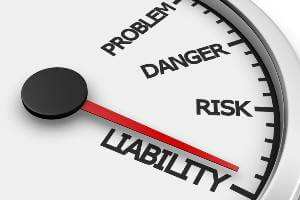
speedometer with dial on liabilityWhen attorneys try to determine if someone is liable for an injury, they assess whether the party acted reasonably or unreasonably in the situation that resulted in an injury. If this person failed to act as a reasonable person would have in the same situation, he or she may be liable for damages suffered by the victim.

But how do you know what a reasonable person would have done in the same situation? How do you know if this person’s actions were unreasonable?

These are complex questions, and this is one of the reasons why injury victims should strongly consider seeking help from someone with legal experience. Proving negligence can be difficult and requires a thorough investigation and knowledge of personal injury law.

At TSR Injury Law, we have been helping injury victims in Minnesota for decades and have recovered $1 billion in compensation on their behalf. Call today to discuss your claim with a licensed Minneapolis personal injury attorney.

Free initial consultation and no upfront fees. Call (612) TSR-TIME.

Defining a Reasonable Person and Reasonable Actions

These issues must be assessed on a case-by-case basis because every situation is different. No two car crashes are the same and a car crash case is much different from a case involving a slip and fall, dog bite, daycare abuse, nursing home abuse or medical malpractice.

That said, there are some criteria that may apply across a variety of cases. For instance, it is reasonable to expect people to obey the law. If an injury resulted from someone else breaking the law, you can probably consider his or her actions to be unreasonable. Drivers should obey traffic laws, such as laws about speeding, staying in your lane and respecting the right of way of other drivers.

While slip and fall cases can be complex, one factor that be considered is whether the property owner could have addressed a slip and fall hazard before the injury occurred. It would probably be reasonable to expect the property owner to remove a hazard or rope it off if he or she was told about it, the hazard was in a heavily trafficked area, or someone else was recently injured in the area.

Different standards may be applied when a child is injured in a premises liability case. Children do not have the same ability as adults to recognize dangerous situations. That means property owners have a greater responsibility to protect child trespassers from injury than they would in protecting adult trespassers from injury.

Failing to Act Can Be Unreasonable

Sometimes people are found at fault because of a failure to act, and this failure to act is considered unreasonable under the circumstances. In the example above, the property owner failed to act to remove a hazard. If it would have been reasonable to expect the property owner to do something, he or she may bear liability for the victim’s damages.

In a nursing home, residents often suffer injuries because of the failure of staff members to act. For example, staff members may fail to clear clutter and other obstacles from hallways. These obstacles may cause residents to fall and suffer serious injuries. Another example is when staff members do not monitor residents to avoid constant pressure on body parts. Bed sores arise and the injury is caused.

Was the Risk of Harm Foreseeable?

Another factor to consider is whether the risk of harm from the at-fault party’s action or inaction was foreseeable. If the at-fault party should have known the risk of harm was foreseeable, he or she may have been acting unreasonably.

When assessing whether harm was foreseeable, the person’s knowledge, awareness and mental capacity to behave like a reasonable person must also be considered.

Learn More About the Benefits of an Attorney. Call TSR Today

Injury victims often struggle to secure full compensation for their injuries without help from a licensed attorney. In fact, insurance companies would prefer victims handle things on their own because insurance companies know how to mislead and deceive injury victims.

You do not need to go through the legal process alone. TSR Injury Law’s experienced attorneys are here to help and there are no upfront fees for our services. We have successfully recovered millions on behalf of our clients and are ready to help you.

TSR Injury Law. No upfront fees or obligations. (612) TSR-TIME

Why Car Insurance Companies May Hire Private Investigators for Accident Claims

You may have some idea about how committed car insurance companies are to saving themselves money, particularly if you have had to file a claim. A car insurance company may have attempted to deny your claim or made a lowball settlement offer.

Would you be surprised to learn car insurance companies sometimes hire private investigators? Insurance companies may take extra steps to try to find something they can use against you.

Below, our experienced attorneys discuss this issue in greater detail, including limits on the ability of private investigators to spy on you.

If you have questions about your legal options or are struggling to obtain compensation from the insurance company, we are here to help. Our firm has obtained millions on behalf of car crash victims.

Are Car Insurance Companies Allowed to Spy on You?

There is certainly an argument to be made that hiring a private investigator is unethical and a bit shady, but it is not illegal. Private investigators are within their rights to photograph you while you are out in public, review your social media posts, follow you to your work or your home, and review public records.

Private investigators could learn a lot about you and some of this information may help the insurance company in its attempts to deny or undervalue your claim. Insurance companies typically only do this when the case is complicated or has the potential to be worth a lot of money.

It is important to note there are limits on what private investigators can legally do when they are hired. For example, wiretapping your cellphone is against the law. This is something law enforcement can do only after getting a warrant.

It is also illegal for private investigators to photograph you through a home window, trespass onto your property or other private property, impersonate a police officer, or misrepresent themselves as someone else (insurance adjuster or other insurance company representative, etc.).

Private investigators are prohibited from intimidating or threatening people, whether these threats are verbal or physical.

Do I Have Anything to Be Concerned About?

If you have hired a lawyer and are following your doctor’s orders about your medical treatment, you should probably not be concerned about a private investigator. If you spot a private investigator, inform your attorney and he or she may give you some additional tips on protecting the value of your claim.

Remember, the truth is always key. If you tell your doctor, you cannot bend over (at all) and then you are on video bending over bowling or playing with your kid, that is insurance fraud. If you tell your doctor that you can bend over, but it causes pain, and video catches you bowling or playing with your kid, then you will need to explain what pain you were in or what you had to do later that night to battle the pain, such as take medication or ice.

Make sure to be careful with your social media posts. Taking a break from social media during your claim is often a good idea, as you could unintentionally say or post something damaging to your case. You want to avoid posts that make it seem like your life is back to normal and you have no physical limitations from the crash. Posts about exercising or going out with your friends or taking a vacation can be damaging to an accident claim.

The truth is not always easy to see from a photo.  No one wants to post a photo of backpain. The photos are always people smiling and having the time of their lives. Think about the perception the photos on social media will generate.

You may be thinking that it should not matter what you post because you have privacy settings on your social media. However, private investigators may pose as someone else to try to get you to accept a friend request. Remember, the information you post online is never entirely private. There are even cases when Judges have allowed access to private social media data.

The strength of a claim is not only based on the evidence gathered, but also your credibility. Your actions during the claims process go a long way in either bolstering your credibility or diminishing it.

What if an Investigator Crosses the Line?

If you ever feel you or a loved one is in danger, call the police. Short of that, make sure to inform your lawyer about conduct that may be illegal.

At TSR Injury Law, we are not only here to pursue maximum compensation, but we are also here to help you through this process. We know this is a very difficult time for you and your family.

Call TSR Today for Legal Help After a Car Crash

Unsure how a lawyer may be able to help after a car crash?

Feel free to give us a call today to set up a free consultation to learn how an experienced Bloomington car crash attorney may be able to assist you. Crash victims who hire attorneys often obtain more compensation compared to those who try to go it alone. The legal process is complex, and our experienced attorney knows how to navigate every step because we have done it countless times.

For more than 20 years, our firm has been helping injury victims and we have obtained millions in compensation on their behalf. The initial consultation is free, and we work on contingency, which means we do not get paid unless you do.

TSR Injury Law. No upfront fees. Call (612) TSR-TIME.

Who May Be at Fault for a Blind-Spot Crash with a Commercial Truck?

commercial truck pictured in sideview mirrorDrivers should always check their blind spots before changing lanes, particularly when they are driving large vehicles like commercial trucks. The larger the vehicle, the bigger the blind spot and the more damage that can occur if the large vehicle crashes into a significantly smaller one.

However, given the fact that drivers should know commercial trucks have large blind spots, can they be held partially at fault for blind-spot crashes with commercial trucks? Or do truck drivers bear most of the responsibility for preventing a blind-spot crash?

Victims of truck accidents can greatly benefit from experienced legal representation. At TSR Injury Law, we have been helping motor vehicle crash victims for decades. Our firm has secured more than $1 billion in compensation on behalf of our clients. There are no upfront fees for our services, which means there is no risk in working with us.

Fault for Commercial Truck Blind-Spot Crashes

While each accident is unique, commercial truck drivers are often the ones held liable for these crashes. You have a right to be in a lane and other drivers can only come over into your lane if they can do so safely without causing an accident.

Truck drivers are responsible for checking their blind spots just as drivers of other vehicles are responsible for checking their blind spots. Truck drivers need to use their mirrors and other technology in their vehicles to determine if a vehicle is in a blind spot. Truck drivers also need to be aware of the amount of traffic around them and take their time to make sure it is safe to change lanes before doing so.

Truck drivers are also likely to be held liable for a blind-spot crash if it happened while they were:

  • Tired or fatigued
  • Distracted
  • Impaired by drugs and/or alcohol

In some situations, it is possible the driver failed to properly adjust his or her mirrors to reduce blind spots as much as possible. Maybe the truck did not have the appropriate mirrors to allow drivers to see around the truck as much as possible.

If you were to speed into a blind spot as a truck is already changing lanes, and the truck driver used his or her turn signal, you may be partially at fault for damages you may suffer if a crash happens. The same could be said if you drifted into a blind spot because you were distracted, and the truck driver was being cautious about changing lanes.

In some cases, another party may be at fault. For example, maybe the truck had video or sensor technology that was supposed to alert him or her to vehicles in blind spots and the equipment failed. In that case, the manufacturer of the equipment or the party responsible for maintaining that equipment may bear some amount of liability for the crash.

Where Are the Blind Spots Around Commercial Trucks?

Commercial trucks are not only longer than other vehicles, but drivers are also higher up than drivers of traditional passenger vehicles. This creates huge blind spots that drivers cannot see, even with their mirrors adjusted appropriately.

One of those blind spots is 20 feet in front of the truck. Drivers cannot see anyone or anything in that 20-foot zone. If the truck is right behind you or behind you in the lane to your right or left, the driver cannot see you.

There is also a blind spot 30 feet behind the trailer. In other words, if you are within 30 feet of the rear of the trailer, the driver is unable to see you.

There is another blind spot between the driver’s door and the back of the truck and another from the right side of the cab to the two lanes to the right of the truck.

One useful way to think about commercial truck blind spots is that the driver cannot see you unless you can see the driver in his or her side mirror.

Dangers of Blind-Spot Crashes

Any crash with a commercial truck can be very dangerous. However, blind-spot crashes have the potential to be deadly. If a truck sideswipes you, your car could get run off the road or into other vehicles. This could also happen if you get rear-ended by a commercial truck. The truck could also run your car over if it is behind you and your vehicle is in the blind spot in the front of the truck.

Need Help Following a Truck Crash? Call TSR Right Away

Whether you have questions about the validity of your case, a settlement offer you received, the potential value of your case or anything else following a truck crash, TSR Injury Law’s experienced Bloomington truck accident lawyers may be able to help.

We have extensive knowledge of the many factors involved in these cases and can provide answers to your questions to help you make an informed decision about what to do next. Schedule an initial consultation with one of our licensed attorneys to learn more about how we may be able to help.

No upfront fees. Millions recovered. Call us at (612) TSR-TIME.

No Fees or Costs Unless We Win

Are There Any Upfront Fees?

At TSR Injury Law, we charge no upfront fees to help determine if you have a case, no upfront fees while we build your case and no upfront fees while we work on your case. At the end of the legal process – when your case reaches a settlement or a jury verdict – we charge a percentage of your total, awarded compensation. The percentage varies, depending on your type of case and this can be discussed during a consultation with a lawyer at our firm.

Why Do We Handle Cases This Way?

By not charging our fees in advance, it provides a risk-free way for injury victims to consider their legal options without financial pressure. It also helps victims to level the legal playing field – claims are often against large insurance agencies and companies that have full teams of lawyers and support staff.

Our award-winning legal team have successfully handled many cases against such competition and understand how they build the cases that they handle. We use that knowledge to help build a strong argument for your maximum compensation recovery.

What Happens During an Initial Consultation?

The initial consultation is a completely free, no-obligation opportunity for potential clients. In this meeting, we determine whether you may have a valid case and answer any questions that you may have about your case and how we can help you. We also explain more about our fees, including what they are and when we collect payment for our services.

If you have a case and choose to hire our law firm, your attorney will provide a contract that will include the fees as discussed. Both you and your attorney must sign the contract before work can begin.

What Happens at the Conclusion of My Case?

At the end of the legal process, when your case either reaches a settlement or the jury awards you compensation after a trial, your attorney will provide you with a closing statement. You can review the total amount of compensation awarded as well as our costs and fees. We can also help if you have outstanding medical liens that you need help resolving and bill those costs through your compensation. However, no money is disbursed until you have reviewed and signed the closing statement.

Once all the outstanding costs and attorney fees are paid out, the client receives the remainder of the compensation. If we do not recover compensation for you, we do not get paid.

Do Some Attorneys Use Other Types of Fee Arrangements?

Some attorneys use an upfront type of fee arrangement that can be costly and difficult for most people to afford. Lawyers may require thousands of dollars to retain their services before any work begins. After that, clients pay a hefty set fee per hour, often hundreds of dollars or more. These costs are expected up front. They are not advanced costs that you can hold off paying until your case concludes.

The Attorneys at TSR Injury Law are Ready to Help

When it is time to call for legal help, reach out to our licensed attorneys at TSR Injury Law. We have been representing injured victims in Minnesota for more than 20 years. Our proven track record includes millions in compensation obtained on behalf of our clients.

You can reach our firm 24/7 by calling our toll-free number. We also have a convenient contact form online that you can complete and submit to get a return call from our firm.

Call TSR Injury Law for Legal Help at no-risk to you: (612) TSR-TIME

Discussing Your Car Crash Injuries with a Doctor

One of the most important things to do after being injured in a car crash is to seek medical care. You do not want your injuries to get worse because of a delay in treatment. The sooner you start getting treated, the sooner you can complete your recovery.

It is important to be thorough when talking to doctors about your injuries, not only to optimize the care you receive, but also for the strength of your case. Omitting information could give the insurance company room to dispute your credibility and lower the value of your claim.

Below, our experienced Minneapolis auto accident attorneys talk about what crash victims should discuss with their doctors. If you have more questions about what to do after being injured in a crash, TSR Injury Law is here to help. Give us a call to schedule your free consultation.

Discussing the Crash with Doctors

Make sure to tell the doctor how you were injured. The doctor will probably have many questions about how the crash occurred. Having answers to these questions helps your doctor with properly diagnosing and treating your injuries. Do not exaggerate about the crash. Saying you “were hit at 60 mph” does not help when you truly don’t know and only gives the insurance company room to doubt you. Keep the explanation simple on how the crash happened. It is not actually relevant to the medical treatment. “I was rear-ended” or “I was going straight on a green and another car ran a red light” is sufficient.

Tell the doctor what you remember about the crash, particularly where your vehicle got hit and if any parts of your body hit things inside the vehicle, like the steering wheel, dashboard, window, gear shift, or anything else. Medical treatment may be affected by crash facts by explaining “my left shoulder hit the side door when I was t-boned” as an example.

You want to give the doctor as much information as possible so he or she can determine where and how you may have been injured.

Explaining Your Injuries

Tell the doctor where it hurts and how severe the pain is, even if you think the pain is minor. Describe the pain as well. For example, is it an ache, burning or stabbing pain?

Inform the doctor of other symptoms you are experiencing, such as limited mobility, nausea, dizziness, confusion, headaches, numbness, irritability, behavioral changes, etc. Radiating pain or numbness into your arms/hands or your buttocks and legs are extremely important to mention. These symptoms could indicate an injury you are unaware of, such as an internal injury, nerve damage or brain injury.

Make sure to inform the doctor about any injuries you had before the crash. If you never treated for an injury, it is not as important as injuries or pains you have treated for before the crash. Your doctor can determine if you aggravated an existing injury and help to differentiate between your new injuries and the old injury.

If you are concerned that revealing a preexisting injury may hurt your claim, you need to know that you can still seek compensation. The insurance company may try to use your existing injury to devalue your claim, but an experienced attorney should know how to counter any arguments. That is one of the reasons hiring a licensed attorney is so important after being injured in a crash.

Your pre-existing medical issues may have made you more likely to suffer an injury in the crash, but that cannot be used to devalue your claim or bar you from seeking compensation.

Continuing Your Treatment

The discussion about your injuries should continue after your first meeting with a doctor. When you return for a follow-up or visit other doctors, keep them updated on how you are feeling and describe any changes in your symptoms. This information will be noted in your medical records – consistent updates on your condition shows you are receiving treatment and trying to get better. These records also reiterate your injuries, which helps to validate your claim. Complaining that your neck hurts to your spouse is not the same thing as reporting it to your doctor. Doctors create medical records and bills and that is what insurance companies need to review.

It is important to follow the doctor’s orders about managing your injuries. For example, if the doctor tells you to avoid certain physical activities, make sure to avoid them. If you disobey the doctor, you could hurt yourself more and prolong your treatment and recovery. It could also work against your claim. The insurance company could say you are ignoring your doctor’s orders because your injuries are not as bad as you said.

You may need to reschedule some appointments for a variety of reasons. That is OK, if you have a good reason, and you attend the rescheduled appointment. Keep your lawyer informed as well. The insurance company may try to use rescheduled appointments against you, claiming you are not really hurt.

What if I Have Questions or Concerns About Treatment?

There are times patients are concerned about taking medications or undergoing a particular treatment. It is important to discuss these concerns with your doctor. He or she should be able to answer your questions about medication side effects, the pros and cons of surgery or another medical intervention.

Maybe you have used a medication before and suffered unpleasant side effects. If that is the case, inform your doctor and he or she may be able to prescribe something different.

If you are unsure about something a doctor is recommending, you may want to get a second opinion. Sometimes another doctor confirms what the first doctor said, and this can be reassuring to some people. If the other doctor has a different opinion, you at least have options to consider.

We Are Here to Help. Call to Learn More

Unsure how an attorney can assist you after a crash?

Learn how by calling TSR today to schedule your free legal consultation. Crash victims who hire attorneys often recover more compensation than crash victims who go it alone.

This is because attorneys are committed to recovering as much compensation as possible for the victim, unlike the insurance company that wants to pay out as little as possible.

TSR Injury Law has a proven track record – over $1 billion recovered for our clients.

We are ready to help. Call us at (612) TSR-TIME.

What Are the Differences Between Settlements and Verdicts in Personal Injury Cases?

Current image: |gavel on desk with verdict sign

Injury victims may be reluctant to file claims because they think they will have to go to court to recover compensation. However, most claims are resolved out of court without a lawsuit ever being filed.

Unfortunately, many people do not know the differences between cases that are resolved out of court and those that are resolved via a jury verdict. There are significant differences between these two results, and our experienced attorneys discuss them below.

If you were injured through no fault of your own, and you have questions about seeking compensation for your damages, call us today at (612) TSR-TIME.

What is a Settlement?

In a personal injury case, a settlement is an agreement between both parties to resolve the claim made by the victim. The at-fault party, often the insurance company representing the at-fault party, agrees to pay the victim for the damages he or she claimed. In exchange, the victim agrees not to file any claims against the at-fault party in the future.

Settlements are typically agreed to before the case reaches court. However, sometimes a lawsuit is filed and both sides are in the process of preparing for trial when a settlement is agreed to.

Settlements are reached after negotiations between both parties, often the insurance company and the attorney for the victim. Both sides could go back and forth many times before they reach an agreement. Sometimes settlements are reached quickly, other times it may take months of negotiating.

It is also important to note your Minneapolis-based personal injury attorney typically will not start negotiating until you have fully recovered or reached the point of maximum medical improvement.

However, settlements are reached much faster than jury verdicts. You also do not need to go to court or testify, which can be a significant source of stress for injury victims.

Another advantage of settling is you are not leaving the case up to a jury, which may decide not to award any compensation. On the other hand, a jury may award much more than you might get in a settlement.

It is important to note that you should never settle for less than the value of your claim. You should discuss settlement offers with your lawyer to determine if they are fair. Once you settle, you are likely unable to continue pursuing compensation for the same injury.

How Going to Court Differs from Settling

There are numerous steps involved in a personal injury lawsuit. After your lawyer files a lawsuit, you will need to wait for a trial date to be set and have a judge assigned to the case.

The next step is often discovery, where both sides gather information from each other to determine the strengths and weaknesses of the victim’s case. There may be depositions where witnesses and others are interviewed under oath about various aspects of the case. The judge in the case may also require both sides to go through some form of alternative dispute resolution to see if the case can be resolved before a trial begins.

There are many steps that happen before a trial even begins. It can take a significant amount of time to make it to trial.

Filing a lawsuit is often the push needed to make insurance companies make a better offer. Sometimes all it takes is having a lawyer with a history of going to court and recovering compensation to get the insurance company to make a better offer. That is why your choice of an attorney is so important.

Contact TSR Injury Law for Legal Help Today

There are no upfront fees or obligations for our services. Our licensed attorneys are not paid for representing you unless we receive compensation.

What this means for you is there is no risk in contacting us to discuss what happened and learn how we may be able to assist you. An initial consultation is free of charge.

For more than two decades, we have been securing favorable compensation for personal injury victims.

Call us today to learn more: (612) TSR-TIME.

Assessing Fault for a Crash Involving a Vehicle Making a U-Turn

yellow u-turn sign in front of cloudy skySometimes you must make a U-turn to get where you are going. Other times, you missed a turn and need to head back the way you came.

The problem is that this is a dangerous maneuver. You can consider this a left turn, which you may know is much more dangerous than a right turn. Unfortunately, there is often a lot of confusion about who has the right of way in these situations, and it can lead to crashes and other drivers getting angry as they try to turn left while waiting for a U-turning driver to get out of the way.

Below, our experienced attorneys discuss fault for a crash involving a vehicle making a U-turn. If you were injured in a crash in Minnesota, give us a call today to discuss how we may be able to help. We have helped numerous crash victims secure compensation for medical expenses, lost wages and other damages. An initial consultation is 100 percent free.

What Does State Law Say About U-Turns?

According to Minnesota Statute 169.19 Subd. 2., you are prohibited from making a U-turn on a curve or crest of a grade if approaching vehicles cannot see you from a distance of 1,000 feet. You are also prohibited from making a U-turn if you cannot do so safely and without interfering with traffic.

It is also illegal to make a U-turn when a sign says you are prohibited from making a U-turn. Even though you have a green arrow, you are required to yield to the drivers who are turning right onto the road where you are making a U-turn. Unfortunately, drivers either do not know this or do not care. U-turning drivers often violate the right of way of right-turning drivers – they may do this because the drivers behind them are honking because they are waiting for the U-turning driver to get out of the way.

What Does This Mean for Assessing Fault?

When a Bloomington car accident lawyer reviews a crash involving a turn, he or she is going to try to determine who may have had the right of way. The driver who violated the right of way is likely to be found at fault for the crash.

Keep in mind that drivers turning left may also have the right of way versus a U Turning driver because they are often turning because they have a green arrow. Even if they are turning right on a red light, they probably have the right of way compared to a U turning car. If you want to make a U-turn and are concerned about making the drivers behind you angry, pull up and a little around the median to give them space to get around you. It should be possible to do this without getting in the way of left-turning drivers.

Assessing fault may be complicated if the driver who wants to turn right waves you ahead, but then your two vehicles crash anyway. Does this gesture give you the right of way as the driver making a U-turn? Can you still be found partially or fully at fault for the crash?

Impatience is often a factor in car crashes. It is important to wait to make a turn to be sure you have enough time and space to do so. If you are unsure about whether you have enough time, it is probably better to wait for more traffic to clear. You should not assume right-turning drivers will slow down or yield. They may not even be looking for you, as they assume they do not need to stop or yield because they have the right of way.

If possible, avoid making a U-turn, as it can be a dangerous traffic maneuver.

Call TSR Injury Law for Help After a Car Crash

Think the insurance company is going to fork over the compensation you need after a car crash?

Oftentimes, insurance companies deny or underpay claims, even when liability seems clear, and the victims’ damages are covered by the insurance policy. You need an experienced advocate at your side to aggressively pursue the compensation you need.

TSR Injury Law has been assisting crash victims for decades and has secured millions on behalf of our clients.

Free Consultation. No Upfront Fees. Call (612) TSR-TIME.

What You Should Know About Liability for Injuries to Children at Summer Camp

kids wearing summer camp shirtsWhile there is no way to prevent all the injuries that may occur at summer camp, some may have been the result of another’s negligence and may have been avoidable. The trouble is that liability for these situations is complex.

If your child was injured at summer camp and you think it was because of negligent supervision, failure to follow safety protocols, or some other form of negligence, you should seriously consider discussing the situation with an experienced attorney.

TSR Injury Law’s licensed Minneapolis personal injury attorneys offer a free legal consultation to discuss your situation. Our firm has obtained millions on behalf of injury victims in a wide variety of cases. Give us a call today to learn more about how we may be able to assist you. Our goal is to hold at-fault parties accountable and obtain compensation for the damages you suffered.

How Children Often Get Injured at Summer Camp

The idea of children at a camp paints a picture of mayhem. A lot of kids in many directions. That is why there are rules and adult supervision. Kids have to be protected from themselves. While minor injuries may be expected, serious injuries are not acceptable. Serious injuries are usually caused when supervision is lax or rules are not enforced. For example, children could be injured in slip and fall accidents around swimming pools, they can get burned at a campfire, they can be assaulted in a cabin when they are not accounted for. Preventable serious injuries must be addressed to help the injured child, but to also prevent other injuries for the next child.

There are many other reasons children suffer injuries at summer camp:

Inherently Dangerous Sports or Outdoor Activities

One of the benefits of summer camp for children is exercise. They often participate in a variety of sports at summer camp, some of which may be dangerous, such as swimming, or soccer or basketball, as there is a potential for collisions with other children. Contact sports like lacrosse and football put children at risk for head injuries, broken bones and joint injuries.

There are also inherently dangerous activities like horseback riding, kayaking and hiking that put children at risk for injury. There needs to be proper adult supervision during these activities. Children should also be warned about danger and instructed on how to keep themselves safe.

Lack of Safety/Protective Equipment

This is particularly true when playing sports. If children are going to be riding horses or bicycles, they need to wear helmets.

If children are going to be outside, they need sunscreen and water so they can avoid getting dehydrated. Children are not expected to have the same good judgment as adults, which is why it is up to the adults at the summer camp to be sure children have what they need to stay safe.

While some injuries may happen, injuries should receive proper treatment to keep them stabilized and prevent infection.

Not only do summer camps need to provide safety equipment, but they also need to enforce the use of this equipment. Summer camps cannot escape liability by saying they provided the equipment, but children chose not to wear it.

Poor Supervision

One of the most common injuries that may result from negligent supervision is drowning. It can take just a second or two for a child to go underwater. The more dangerous the activity, the better the supervision needs to be.

Adults can also break up fights between children, as these fights could result in serious injuries.

Negligence in Hiring Staff Members

Unfortunately, summer camps do not always conduct the appropriate background checks on their employees. Sometimes children are being supervised by people who have been convicted of crimes or been arrested. Children could be at risk for physical abuse. There are even situations where children suffer sexual abuse at the hands of staff members.

Failing to do a proper background check on potential employees is negligent, but sometimes summer camps find out about things that should disqualify potential hires and hire them anyway.

What You Need to Know About Liability Waivers

When you signed your child up for summer camp, you may have signed a liability waiver releasing the camp from liability for injuries suffered by your child. These documents say your signature waives your right to take legal action over your child’s injuries because you assumed there was a risk.

There is a question as to whether these documents would hold up if they were challenged in court. For example, if you could provide evidence of negligence or recklessness on the part of counselors and other authority figures at the camp, the liability waiver may be invalid. Evidence of intentional misconduct may also invalidate a liability waiver.

The important thing is to discuss the situation with an attorney. Summer camps have a responsibility to take reasonable care to keep your children safe. They should not be able to escape that responsibility by including a liability waiver when you sign your child up to attend the camp.

One of the questions we may need to answer about the liability waiver is whether the risk of injury was thoroughly explained in the document. Sometimes these waivers are vague, which makes it harder to enforce them.

Contact a Licensed Attorney for Legal Assistance

Our experienced lawyers understand how stressful the aftermath of a personal injury can be, particularly when the victim is your child. You need experienced legal assistance to determine what to do next and to help protect your child’s best interests.

Our firm has secured over $1 billion in compensation on behalf of personal injury victims throughout the state. Our dedicated attorneys are prepared to manage the legal process on your behalf, including investigating, building a case, negotiating for compensation and going to court if necessary.

TSR Injury Law. A firm you can trust. Call (612) TSR-TIME.

How Credibility Can Affect Car Crash Eyewitness Statements

blocks with trust spelled outEyewitness statements could go a long way toward validating a car crash claim. However, the witness must be believable because you can be sure the insurance company will attack the witness’s credibility. For example, the insurance company may say the witness did not have a good view of the crash or that he or she does not seem very certain of what he or she saw.

Below, learn more about eyewitness credibility and what factors into it. It is important to understand that a credible witness can help a claim, but a witness who lacks credibility could hurt a car crash claim.

If you were injured in a car crash and are unsure if an eyewitness may have good credibility, give us a call today to schedule a free consultation. Our experienced Minneapolis motor vehicle accident lawyers have helped many crash victims recover compensation. We can determine if you have a valid claim and if an eyewitness could help your case. There are no upfront fees for our services.

What Factors into Eyewitness Credibility?

When someone has good credibility, people trust what that person says. They believe he or she is being truthful and not lying. When someone lacks credibility, it is very difficult to take what they are saying seriously.

There are a variety of things that affect someone’s credibility, particularly if they witnessed a car crash. For example, a witness’s vantage point has a significant impact on what may have been witnessed. If a witness was a significant distance away from the crash, it is difficult to believe specific details about what they claim they saw because the witness’s view may have been obstructed by other things, like other cars.   A witness’s vision may also be an issue.  Do they wear glasses, was it dark out, how far away what the event they saw?

Another factor to consider is how much of the crash the witness saw. Did he or she watch the whole thing? Did the witness hear something and turn to look, meaning he or she did not see the whole crash?

However, even if a witness were close to the crash, his or her credibility could be in question. The witness may have looked away or been more focused on getting out of the way to stay safe.

Another factor affecting credibility is bias. For instance, if the witness is a family member or close friend, he or she may be more likely to say things that are favorable to your claim. Family members and close friends tend to feel a strong obligation to help.

There are many other factors that may affect the credibility of an eyewitness to a car crash:

  • Criminal record
  • How likely the witness’s account is
  • Whether the witness is hard of hearing or visually impaired
  • Whether he or she made contradictory statements
  • What the witness was doing before and during the crash
  • If the witness is easily confused
  • If other evidence contradicts what the witness says
  • If others say the witness has a reputation for regularly lying
  • Whether the witness had been drinking or using drugs
  • Whether the witness’s testimony is supported by the testimony of other witnesses

If you talk to witnesses at the scene, make sure to get their contact information and provide this to your attorney. If you have suspicions about whether a witness is telling the truth, relay that to your attorney.

TSR Injury Law has managed countless car crash claims and we know how to determine if an eyewitness has good credibility and may help strengthen your claim. For example, sometimes the damage to the vehicles involved and the injuries suffered by the crash victim are enough to validate a claim. Even though there may be witnesses, their statements may not be needed.

Each car crash is unique, which is why it is so important to have an experienced lawyer managing your claim. The insurance company is working against you and those who hire attorneys often recover more compensation compared to those who do not.

Need Help with Your Car Crash Claim? Call Today

For more than two decades, the attorneys at TSR Injury Law have been assisting car crash victims and we have obtained millions in compensation on their behalf.

We know how important it is for crash victims to recover full compensation for the damages they have suffered as they try to move forward. If we validate your, we are committed to pursuing maximum compensation. There are no upfront fees or obligations, which means no risk to you in contacting us.

TSR Injury Law. A firm you can trust. Call (612) TSR-TIME.

Could You Benefit from a Second Opinion About Your Crash-Related Injuries?

Current image: Doctor Talking to Patient About Symptoms Social

You could greatly benefit from seeing another doctor to review your diagnosis and treatment plan. Even though the second doctor may concur with the first’s opinion, this should offer you some peace of mind.

Below, learn more about the potential benefits of seeking a second opinion about your crash-related injuries. You want to make sure all your injuries are being treated appropriately so you have the best chance to make the best physical and legal recoveries possible.

You also want to be able to include all your medical costs in your claim for compensation. You do not want treatment expenses to be left out of your claim, meaning you must pay them out of your own pocket. Another doctor may recommend another treatment the first doctor did not, potentially improving your recovery.

Reasons You Might Want a Second Opinion

Crash victims often seek additional treatment after the emergency room when they notice new or worsening symptoms a few days after the crash. This is not necessarily a second opinion.  It is more akin to simply getting more treatment outside the emergency room setting which is usually one stop.  Once a continuing treatment plan is chosen, such as chiropractic or physical therapy treatment, it is common to seek a second opinion if the pain plateaus or gets worse.  Medical doctors, pain management specialists, neurologists or surgeons are all viable options to make sure your treatment plan is working for you.

Another common reason for seeking a second opinion is concern the doctor is not doing enough or is taking the wrong approach. For example, maybe you think the doctor could do more to reduce your level of pain. Maybe you have heard about alternative treatments, or you know someone else who had a similar injury and was treated differently.

It is very important to trust your doctor and the treatments he or she is recommending. If you do not trust your doctor, you may be less likely to continue treatment, which could hurt your chances of recovering fully both physically and legally

When a doctor recommends surgery, you should carefully weigh the pros and cons of the procedure. Make sure to get answers to your questions and if you are still uncertain about the surgery, getting another opinion may be a good idea. The second doctor may agree with the first doctor, and that should help reassure you that surgery is a good option.

However, the other doctor may disagree with the first. If this happens, you have a lot to think about. The important thing is that you make a well-informed decision that you feel comfortable with, but you should be naïve and fail to understand the insurance company’s view of your injury if your own doctors cannot agree.

If the first doctor you saw is a general practitioner, or is not board-certified, it may be wise to seek an opinion from another doctor whose sole focus or accreditation is on the injured area of your body.

Another reason for seeking a second opinion is if your treatment seems to be progressing poorly. If you have talked to the doctor about it and you do not feel like he or she is listening or making changes to your treatment, a second opinion may be warranted.

Your health is your top priority after a crash, and if you think a second opinion would help, you should give it some serious thought.

If you are concerned about how this may affect your claim for compensation, give your attorney a call and ask. At TSR Injury Law, we are committed to answering your questions promptly and returning your calls.

When Might Insurance Companies Request a Second Opinion?

You seeking a second medical opinion is very different than the insurance company seeking one.  The insurance company will be looking for some way to deny your claim or pay less than its full value. One option may be to request an “independent medical exam” better known as an “adverse exam”.

It is important to discuss a request for an independent medical exam with your attorney. He or she can advise you on whether you are required to go through with it and help prepare you for it. Your lawyer’s advice may help you protect the value of your claim during the exam. There is nothing independent about an insurance exam.  Your attorney will cover the rules of what you are required to do and what are oversteps by the insurance company.  The attorney will also be able to overturn the exam’s results and make sure your bills get paid.

Need Help After a Collision? Call Today with Your Questions

Our licensed Bloomington vehicle collision lawyers at TSR Injury Law have been assisting crash victims for decades, and we have a record of getting results for our clients. If you were injured in a collision and have questions about your claim, give us a call as soon as possible.

Our firm takes car crash cases on contingency, which means no upfront fees or obligations. We are not paid unless our clients get paid. That means there is no risk in contacting us to discuss what happened and learn how we may be able to help you during this difficult time.

We are ready to take your call. Ph: (612) TSR-TIME.

What Should I Do After a Minneapolis Crash? Exchange Information or Call the Police?

argument in front of damaged cars

Some crash victims do not want to make a big thing out of a crash. They would prefer to exchange information with the other driver and leave. They figure they can deal with the aftermath of the collision on their own without calling the police.

Below, the experienced Minneapolis auto accident lawyers at TSR Injury Law talk about the steps you should take after a collision. We also explain why it is usually a good idea to call the police after a crash, even if you think you only have minor injuries.

If you have questions about what to do after being involved in a car crash, give us a call to set up a free consultation. We have helped many Minneapolis crash victims secure the compensation they needed for a car crash injury.

TSR Injury Law. Experienced Lawyers. Proven Results. Call (612) TSR-TIME.

Why Only Exchanging Information May Be a Bad Idea

You could run into trouble if you do not call the police after a crash. Here are a few of the reasons why:

How Do You Know the Other Driver Is Being Honest?

How do you know the other driver is giving you accurate information, including his or her:

  • Real name
  • Phone number
  • insurance information

Even if he or she shows you a valid driver’s license and insurance card and sends you a text message so you have the phone number in your phone, he or she may not return your calls.

People often forget or put off updating their driver’s license. The address on it may no longer be correct.

Sometimes at-fault drivers rush through exchanging information. They may say they have an appointment to get to or some other obligation.

They may seem nice and like someone who will take responsibility for their actions. The fact is you do not know them and there is no way to know if you can trust them.

You May Not Be Able To Seek Compensation Without a Police Report

If you call the insurance company, they may deny liability. They may claim you do not have a case because you did not call the police.

Even though Minnesota is a no-fault state, it is important to have a police report from the scene of the crash because:

  • Some insurance policies require a police report to set up a claim.
  • The at fault party may change their story and when you try to make a liability claim, it is denied.

It Can Be Harder To Prove Fault

If you do not have a police report, it may be difficult to establish fault. If the driver leaves the scene, you will not have pictures of the damage to his or her vehicle. The insurance company may say the crash could not have been that big of a deal because you did not call the police right away.

Your Injuries May Be More Severe Than You Realize

It may take a few hours or days for symptoms to develop, and by that point you could be dealing with a significant amount of pain.

If you do not call the police or seek treatment right away, you are giving the insurance company room to claim your injuries were caused by something else.

Linking Your Injuries and the Collision

It is important to establish a strong connection between your injuries and the accident. You can do this by calling the police right away, seeking treatment, and contacting a licensed attorney to help review your options. When victims treat a crash as a serious situation, it becomes more difficult for insurance companies to say otherwise.

When Are You Required to Call the Police After a Minneapolis Crash?

Leaving the scene of a crash without calling the police may be illegal, depending on the details of the crash. Under state law, those involved in collisions that result in bodily injury or death must provide notice to:

  • Local police if the crash happened within a municipality
  • State patrol if the crash happened on a highway
  • Office of the sheriff of the county

What Are the Penalties for Not Reporting a Crash in Minneapolis?

Minnesota imposes severe penalties on drivers who fail to report a crash that results in injury or death:

  • In case of a fatality:
    • If the collision results in the death of another person, and you, as the driver, fail to report it, you are facing serious consequences.
    • The law considers this a felony.
    • The penalties can include imprisonment for up to three years, a fine of up to $5,000, or possibly both.
  • In case of great bodily harm:
    • If the accident results in “great bodily harm” (a term legally defined in section 609.02, subdivision 8), not reporting it is also a felony.
    • Penalties include imprisonment for up to two years, a fine of up to $4,000, or both.
  • In case of substantial bodily harm:
    • For accidents causing “substantial bodily harm” (as defined in section 609.02, subdivision 7a), the penalties are slightly less severe but still significant.
    • You could face imprisonment for up to 364 days, a fine of up to $3,000, or both.
    • Additionally, if the collision results in any kind of bodily harm and you fail to report it, you may be sentenced to imprisonment for up to 364 days, or a fine of up to $3,000, or both.

What if it Was Just a Fender Bender?

You might think it is unnecessary to call the police after a fender bender where there are no injuries and only minor damage. However, there are compelling reasons to consider making that call.

A Police Report Provides an Official Account of What Happened

This can be crucial if there are disputes about what happened, and there often are. Insurance companies may be less likely to believe a crash occurred if there is no report.

Minor Damage May Be Worse Than You First Think

What appeared to you as minor damage initially may turn out to be more significant upon closer inspection. Having a police report can simplify the process of claiming insurance coverage for such hidden damages.

Police Reports May Help Resolve Disputes

In cases where the other party seems uncooperative or there is a disagreement about the events, police intervention can help to document the scene.

Ultimately, while it might be legally permissible to skip calling the police for very minor incidents, doing so provides a layer of protection and documentation that can be valuable in the long run, especially in dealing with insurance matters and potential legal disputes.

6 Steps To Take After a Minneapolis Collision

Here is a straightforward guide that outlines the steps you should take after being involved in a crash. These steps are about protecting your health and your legal rights:

  • Move your vehicle away from traffic – This is essential for the safety of everyone in your vehicle. You do not want to get hit by an approaching car, which could cause additional injuries. Turn on your hazard lights and, if you have them, set up road flares behind your vehicle.
  • Check yourself and your passengers for injuries – You may be able to provide first aid to help stabilize certain injuries. You also need to know if someone has a life-threatening injury. When you call 9-1-1, you can tell the operator and they may be able to give you tips on saving the person’s life while you wait for the ambulance to arrive. Remaining calm is critical, as it will help you manage the situation effectively.
  • Report the accident – Immediately call 9-1-1. Provide detailed and factual information to the police, offer your driver’s license and insurance details and get the officers’ names and badge numbers. If police cannot reach the site, you can file a report at a local police station.
  • Document the scene – Take out your smartphone and take pictures of your vehicle and the other driver’s vehicle. It is helpful to get pictures from different angles. You can also take pictures of street signs, crash debris, visible injuries and anything else that may help insurance companies and lawyers understand what happened.
  • Exchange information – Exchange contact and insurance details with the other driver. If there are witnesses, be sure to request their contact information too. This step is critical, whether you call the police or not.
  • Seek medical attention – Even if you feel fine, some injuries manifest later. A medical professional can assess and document any injuries, which is crucial for insurance and legal purposes.

Following these steps can help protect your interests and ensure a smoother process in dealing with the aftermath of a car accident. Remember, your actions immediately following an accident are critical in safeguarding your rights and well-being.

Contact TSR Injury Law Today To Schedule Your Free Legal Consultation

Give us a call today to learn more about how our experienced attorneys may be able to help you. We have assisted many car crash victims over the years, securing millions in compensation through settlements and courtroom verdicts.

There is no risk in contacting us for help because there are no upfront fees for our services. We do not get paid unless our clients get paid, which means there are no fees while we work on your case.

Check out our client testimonials page to see what our past clients had to say about their experience working with us.

TSR Injury Law. We are here to assist you. (612) TSR-TIME

Should You Talk to a Lawyer First or File an Insurance Claim?

Current image: Woman Studying Vehicle Damage Social

Most drivers do not think about what they would do after a crash. They either do not want to think about a crash or they think they will simply figure out what to do if a crash happens.

However, your actions after a crash could go a long way in helping or hurting your claim for compensation. For example, if you talk to the insurance company before talking to a lawyer, you might say things that devalue your claim or give the insurance company a basis for denying your claim.

Below, learn more about the benefits of talking to a lawyer before talking to the insurance company. Learn how insurance company representatives often mislead crash victims and even try to trick them into saying things that hurt their claim.

Call TSR Injury Law for help after a crash. (612) TSR-TIME

Dangers of Talking to the Insurance Company First

Crash victims often contact a lawyer after filing an insurance claim. In some cases, the victims themselves reach out to the insurance company first, while in others, the insurance company contacts the victim first.

While many of these victims may end up recovering compensation, particularly the ones who hire attorneys to represent them, there are some risks in talking to the insurance company before talking to a lawyer. These risks are present even if you only want to file a claim and not discuss much else.

Why Insurers Contact Victims

Consider the reasons why the insurance company would contact a victim first. Are they doing it because they want to ensure you receive the compensation you need? Are they really trying to do their best to help take care of you like their advertisements say they are?

Remember that insurance companies are businesses. Their number one goal is to make a profit so they can stay in business. They would not be able to stay in business if they fairly compensated every person who files a claim. They have an incentive to deny or devalue claims whenever possible. The less they pay on claims, the more profit their shareholder’s gain.

That means the insurance company is probably contacting you to find some way to deny or devalue your claim. To help them accomplish this, they often ask for details about your injuries and what you remember about the crash, but they also may suggest a quick (cheap) settlement “to help you” or ask for information they have no right to. Without legal guidance, damage or elimination may be done to a legitimate claim

Protecting Your Claim When Talking to the Insurance Company

You do not need to have a long conversation about the crash. If you just want to file a claim you can provide the date, time and location of the crash and say you have or are seeking treatment for your injuries. You could also tell the insurance company where your car has been taken. You do not need to discuss anything else and there is no obligation to allow a recording of the conversation.

Getting into a long conversation about the crash plays right into the insurance company’s hands. Insurance company representatives may seem friendly and helpful, but your best interests are not theirs.

Discussing the severity of your injuries may seem harmless, but the insurance company will try to use statements about the seriousness of your injuries against you. Crash victims tend to downplay the severity of their injuries, which can hurt a claim for compensation. If you say, “I’m OK,” or “It is not that bad,” or “I am sure it will go away”, the insurance company may use those statements as a basis to deny your claim or later make a lowball offer.

You may think you know exactly what happened in the crash, but you may have some details wrong. It is human nature to be stressed and mix up or forget key details. Statements you make right after the crash may be contradicted by statements you make later in the claim process or by the police report

No matter what the insurance company tells you, you do not need to settle the claim right away. You do not need to accept the first offer the insurance company makes – this is never the final offer they will make. They are trained to use subtle, and sometimes not subtle, pressure to make victims think they must quickly settle or “lose out.” Some will even threaten the offer will disappear if you call a lawyer or suggest the “lawyer will take some of the settlement so why pay them for the getting the same offer.”

Pros of Talking to a Lawyer First

Despite what the insurance company may tell you, you have the right to talk to a lawyer and you will not be hurting your case. In fact, instead of talking to the insurance company about the crash, you could simply refer them to your lawyer.

The main thing to remember about a lawyer is that he or she will be committed to your best interests. Your attorney’s goal is to secure maximum compensation for your damages, which is also your goal. Compare this to the insurance company, which is looking for a way to deny or underpay your claim.  Claimants with attorneys get more compensation offered. Even after paying the attorney fee, you end up with more.  There is usually no fee for property damage, undisputed medical bills or wage loss so the insurance is lying by suggesting you would get less if you hire an attorney. The opposite is true. You get more, do not have to deal with the insurance and the paperwork will be done correctly.

Attorney-Client Privilege

Once you hire an attorney, your conversations are protected by attorney-client privilege. That means the things you discuss cannot be disclosed to the insurance company and potentially used against you. For example, you may be concerned about how your preexisting medical issues may affect your claim, and you can have a private conversation about this with your attorney. You can also discuss concerns you may have about being partially at-fault for the crash.

Your Lawyer is Committed to Your Best Interests

By calling a lawyer first, you can get an objective opinion about whether you may have a valid case. Attorneys are unlikely to recommend filing a claim unless they think there is a case, and they are likely to obtain compensation. Injury attorneys, like those at TSR Injury law, do not get paid unless their clients get paid.

Injured in a Car Crash? TSR Injury Law is Here to Help

Have questions about what to do after a crash? Unsure about your options for pursuing compensation?

It is often in the best interest of a car crash victim to seek legal help from an experienced attorney. At TSR Injury Law, we have been helping car crash victims for over 25 years and have secured millions in compensation on their behalf.

An initial consultation with a licensed Minneapolis auto accident attorney is free. There are also no upfront fees for our services.

Learn more. Call today for legal assistance. (612) TSR-TIME