Steven Terry is the co-founder and current managing partner of TSR Injury Law. His practice consists solely of representing injured people and pursuing justice against wrongdoers. He has handled thousands of injury claims over a 20-plus-year career. Steve continues to exceed his clients' expectations and hold insurance companies responsible for the damage their insured's cause.
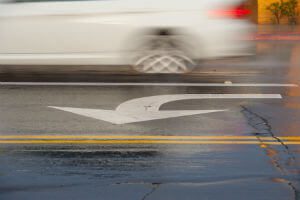
Left turns are one of the most dangerous traffic maneuvers because you are cutting across one or more lanes of traffic that are going in the opposite direction. If you pull out too soon, you risk getting into a dangerous crash with another driver who may have the right of way. You may be at fault for this type of collision.
However, proving fault for these crashes may not be so simple. The driver making the turn is often at fault, but drivers going the opposite direction could also be held liable. This is especially true if you are a passenger as both cars involved could be at fault.
Reasons for These Crashes
According to research from the National Highway Traffic Safety Administration, 36 percent of automobile crashes happen at intersections, and many of those crashes involve left turns.
These crashes are often the result of the turning driver’s negligent behavior. Common examples of this include:
Turning when the view of oncoming traffic is obstructed
Misjudging how fast an oncoming vehicle is approaching
Distracted driving, such as texting and driving or pressing buttons on the radio or dashboard
Failing to use the left-turn signal
Not yielding the right of way when the light is green and not a green arrow
Running a red light
Following the car in front of you making a left without making sure the path is clear
Drivers who are turning must yield to oncoming traffic, including pedestrians, bicyclists and motorcyclists. They must make sure it is safe for them to move across the intersection without hitting oncoming traffic.
Exceptions When Oncoming Drivers May be at Fault
A driver making a left-hand turn might not be at fault if the other driver involved in the crash (who is traveling straight) was driving way beyond the speed limit, particularly if the other driver sped up when the light turned yellow. Aside from driving too fast, the other driver may be at fault if he or she was under the influence of drugs and alcohol that would have prevented them from driving in a safe manner.
An unforeseen circumstance could also lead to a crash for which the turning driver is not liable. For example, if an animal darts out into the road and delays your turn, the driver of the oncoming car may be liable for the crash.
Evidence That May be Used to Prove Fault
Different types of evidence may be used to prove fault in these left-turn car crashes, including:
Testimony from witnesses
Police reports
Surveillance recordings
Dash cam footage
Reports from collision reconstruction specialists
Pictures
Black box data from the vehicles
Safety When Making Left Turns
There are several things you can do to help lower your risk of a crash when making a left turn, or if you are traveling through an intersection where another driver may make a left turn in front of your path.
First, if you can avoid making a left turn, you should consider doing so because these are much more dangerous than right-hand turns.
Always use your turn signal to alert other drivers of your intention to turn. Drivers traveling the opposite way cannot see the traffic light you see, so they may not know vehicles may be turning left. If drivers are speeding, they may see your turn signal and slow down, which gives them more time to react to trouble.
Be patient waiting for the correct time to turn. It is important not to take an unnecessary risk. You can always wait a little bit longer. If you are unsure if you can make it across the intersection, trust your instinct and wait for more traffic to pass by.
Even if you have a green arrow, which gives you the right of way, look across the intersection for vehicles that may be running a red light.
Injured in a Left-Turn Car Crash? Seek Legal Help Today
We understand what victims experience after a car crash and are prepared to pursue compensation to help you through your recovery.
Our Minneapolis auto accident lawyers have helped many car crash victims recover compensation for their injuries and there are no upfront fees for our services.
Set up your free consultation by calling (612) TSR-TIME. No fees and no risk.
Merging with other traffic can be dangerous, particularly when you are entering a highway and other vehicles are traveling at high speed. A slow-moving vehicle colliding with a fast-moving vehicle is a recipe for severe injuries.
Below, learn more about merging and fault for these accidents.
General Rules on Merging
There are certain steps drivers can take to avoid a crash when merging or when you are approaching a vehicle attempting to merge in front of you. Here are some general rules on this traffic maneuver that could help keep you safe:
Merge your vehicle gradually into oncoming traffic. This prevents other drivers from thinking you are going to cut them off and it keeps other vehicles at a safe distance.
Drive at a safe distance. When you are already on the highway, be sure to keep a safe distance between your vehicle and the vehicle in front of you. This provides space for merging vehicles to maneuver when entering the highway.
Use your turn signal. Even though you might assume other drivers know you are merging onto the highway, you should still use your turn signal.
Switch your lane of travel. If you are already traveling on the highway you should switch your lane of travel when approaching an entrance ramp. This allows merging vehicles more space to merge.
Do not stop in the merging lane. This is incredibly dangerous. You should only stop if it is absolutely necessary. Otherwise, simply slow down to give yourself more time to merge.
Even if you follow these rules, other drivers may not, particularly if they are distracted.
Fault in Different Scenarios
When it comes to determining fault in a merging crash, it is often the driver of the merging vehicle who is held liable for the crash.
Why? In most instances, the merging driver is at fault for failing to yield the right of way to traffic already on the highway.
There are other circumstances where the merging vehicle might not be held liable for the crash. One such scenario is if a vehicle already on the highway erratically enters the merging lane and strikes the merging vehicle before it even enters the highway.
Zipper Merging
Zipper merging has become a popular merging method on the highways of Minnesota and across the country. Zipper merging is a change from the norm of early merging, which often leads to more crashes and longer backups.
A zipper merge asks drivers to remain in the lane that is ending or closing until they get to the point where the merge occurs. The drivers are then expected to take turns letting vehicles into the lane that is still open.
A zipper merge provides the following benefits to drivers:
Reduces the difference in speeds between any two lanes of traffic
Reduces the occurrence of road rage
Reduces the overall length of a traffic backup
Reduces congestion at interchanges on freeways
Creates an idea of fairness as drivers see that all lanes are moving at the same speed
Reasons Merging Crashes Happen and How to Avoid Them
The most common reasons why merging crashes happen include the following:
A driver makes a lane change without using his or her turn signal
A driver merges onto the highway by going too slow or too fast
A driver merges onto a highway and crosses over multiple lanes
A driver merges by cutting off other drivers
A driver is distracted while merging or while driving near an on-ramp
A driver is under the influence of drugs or alcohol
A driver fails to move to an adjacent lane away from the on-ramp
Injured in a Merging Crash? Call TSR Injury Law Today
Have you or a loved one suffered an injury in a merging crash?
It can be challenging to determine fault in such a crash, especially if you were the merging driver.
Attorneys Nate Maus and Nate Bjerke recently obtained a great result for a client severely injured in a motorcycle crash. Initially, it looked like there was no hope the injured motorcyclist would get justice. The investigating officer and state Patrol accident reconstructionist, along with several witnesses, placed the blame for the crash on our motorcycle driving client.
The case was originally handled by another firm who reached out to Nate Maus after the insurance company for the other driver denied liability and offered $0.00. TSR Injury Law took over the case and renewed an investigation into the crash.
We suspected something wasn’t right about the State Patrol’s investigation. We located previously unidentified witnesses and uncovered new information to refute the findings in the State Patrol’s investigation. The new evidence showed the crash was not our client’s fault. As a result, Attorneys Maus and Bjerke secured a settlement of $750,000.00 for their well deserving client.
Our firm recently represented the victim of a crash caused by a driver who ran a red light. The impact caused the victim’s spine to be whipped back and forth, ripping a disc and causing significant pain. Unfortunately, this injury became chronic.
The insurance company reviewed the claim and offered just $5,000 to the victim. A top offer of $25,000.00 was made days before trial. The insurer said it was only a soft-tissue injury and it should get better.
However, TSR Injury Law partner, Chuck Slane, took the case to trial, where a jury determined the victim’s damages were worth $597,000.
Learn more about the results we have achieved for our clients on our case results page.
Have you been injured in a car crash? Call today to set up a free consultation to find out how we may be able to help you. (612) TSR-TIME
If you were injured in a car crash in Minnesota, you can pursue compensation from your own car insurance. What happens if you were a passenger in the accident?
Below, the experienced lawyers of TSR Injury Law explain how car crash victims may be compensated from their insurance policies after sustaining injuries in a collision. Find out if you might be eligible for compensation for your injuries – request a free, no-obligation consultation with our team today.
Who Pays Your No-Fault Benefits?
Minnesota follows a no-fault system for car crash claims. No-fault means personal injury protection (PIP) coverage that allows $20,000.00 in medical and $20,000.00 in wage loss benefits. It does not matter which party is at fault for the crash as each driver can pursue PIP compensation from their own insurance company. Again, the PIP no-fault side pays medical bills, wage loss and other contractually allowed benefits. Please note, the at fault party also has legal responsibilities above and beyond the PIP coverages.
Even though they were not in their own vehicles during the collision, passengers can obtain no-fault coverage and benefits from their own no-fault insurance coverage. For example, if you are a passenger in a friend’s car that gets rear-ended. You would make a PIP claim to your policy on your car still parked at home. Your rates do not go up and there is no legal consequence for being forced to use your own auto insurance. You must make a claim to your insurance company within six months of the accident, but it is best to file a claim as soon as possible. Even a few day delay can allow an insurance company to question the claim.
If you do not have your own vehicle with insurance at the time of the crash, you can file a claim with the no-fault insurance policy of a resident relative. For example, if you live with your brother, his car policy will provide for no-fault benefits.
If that is not an option, you can file a claim with the PIP policy covering the vehicle you were in when the crash occurred.
The only other option for passengers for obtaining no-fault coverage is to file a claim with the state’s Assigned Risk Plan. This only works for people who do not own a car without insurance, do not reside with anyone (not only a relative) who owns a car without insurance and if you were a passenger in a non-owned uninsured car. There are several legal barriers to this free PIP coverage that TSR Injury Law can explain with a free consultation
PIP Coverage Requirements
Licensed drivers in Minnesota are required to carry personal injury protection (PIP) insurance. State minimums for PIP coverage include:
A total of $40,000 per person, per accident (stacking may be available that can double or triple these coverages)
Up to $20,000 to be used for medical expenses
Up to $20,000 to be used for non-medical expenses
If the accident results in death, $5,000 to be used for funeral expenses
Additional Coverage from the Driver’s Policy
You may also be able to obtain compensation from the at fault driver’s liability coverage if any of the following apply to your crash:
Death
$4,000 or more in medical expenses (do not include MRI or X-Ray costs)
Permanent injury
Permanent disfigurement
60 or more missed days of work
Approved claims are paid out through the at fault driver’s liability insurance coverage first. If this coverage is insufficient to cover your damages, claims may be paid through your own (or a resident relative’s policy) underinsured motorist coverage, up to the policy maximums. If the at fault driver does not have insurance, then you can make a claim under your own policy for uninsured motorist coverage.
What About Filing a Lawsuit?
Since Minnesota is a no-fault state, it has restrictions on when crash victims can sue a driver, and these restrictions apply to passengers as well. You must meet one of the thresholds to pursue a bodily injury claim. Again, the thresholds are: death, or $4,000 in medical bills (not including scans or X-Rays), or become disabled for at least 60 days, or suffered some sort of permanent injury or be permanently disfigured.
Certain crash scenarios set up difficult family dynamics. All claims are handled through auto insurance, but sometimes passengers may not want to sue if the driver was a family member or close friend. Even if there is no personal financial liability from the driver, a passenger may not want to “sue” or even “make a claim” against a relative driver.
Contact Our Licensed Lawyers for Help
If you were injured in a car crash, you may be eligible to seek compensation for the damages you have suffered, including medical expenses, lost wages, and pain and suffering. TSR Injury Law’s Bloomington car accident attorneys help victims pursue the maximum compensation available.
Request a free, no-obligation consultation today and learn what legal options you may have for pursuing compensation for your injuries. We charge no upfront fees and payment is only owed if we recover compensation for you.
Reach us by phone anytime, 24/7. (612) TSR-TIME or fill out our Free Case Evaluation form.
Some car crash victims may assume they are unable to file a claim because they were not wearing a seat belt at the time of the collision. The problem is, the issue can be a lot more complicated than that.
Discussing the crash with an experienced Minneapolis car accident lawyer from TSR Injury Law may be in your best interest because you may still be able to pursue compensation.
Minnesota Seat Belt Laws
Minnesota’s seat belt law requires that all drivers and passengers – including those in the back seat – be buckled up with a seat belt or appropriate child car seat. This is a primary law, so drivers can be stopped if a law enforcement officer observes a violation of this law. The driver or passenger may be issued the ticket, depending on his or her age. These tickets and fees can surpass $100. This is the criminal side of the seat belt law.
Even though it is against the law in Minnesota to be transported in a vehicle without wearing a seat belt, Minnesota civil law prohibits using evidence of not using a seat belt in personal injury or property damage cases. In other words, insurance companies cannot add fault to you for not wearing a seatbelt. One exception to the civil rule is when the case concerns a manufacturing defect in a seat belt or child passenger restraint system. The claim is then built upon the seatbelt and therefore usage is part of the claim.
Arguments Made by Insurance Companies
Insurance companies may still try to reduce any settlement offer they make you or deny your claim outright for failure to wear a seat belt. The insurance company may argue that you were partially liable for your damages. It might argue that you would not have been injured had you been wearing your seat belt or that you made your injuries worse than they would have been by not wearing your seat belt at the time of the accident.
Some pieces of evidence that may help strengthen your claim include:
Medical records or statements from medical experts that reveal that your injuries were not due to non-seat belt use
Dash cam recordings that show even if you had been restrained, you still would have been injured
Testimony from accident reconstruction experts who can explain your injuries were not more severe because you were unrestrained
Photographs of the accident that show its severity
Footage from surveillance cameras near the scene of the accident
Comparative Fault in a Car Crash Claim
If your driving negligence contributed to the accident, Minnesota’s comparative fault law may apply. According to this law, you are not barred from recovering compensation for a claim even if you were partially negligent, provided your degree of negligence is not greater than the defendant’s degree of negligence. As long as you are less than 50 percent at fault, you may make a claim. However, your award is reduced in proportion to your degree of fault. Therefore, if you are found 20 percent at fault and suffered $10,000 in damages, your recovery would be reduced by $2,000 to $8,000.
Contact TSR Injury Law for Help with Your Claim
If you were injured in a collision and are concerned about how not wearing a seat belt may impact your claim, the personal injury team at TSR Injury Law is available to answer your questions.
Our lawyers offer a free consultation to discuss your claim and explain your options. We charge no upfront fees and work on a contingency. If there is no recovery, there is no fee, so there is no risk to you either way.
Contact us today to schedule a free consultation. TSR Injury Law: (612) TSR-TIME.
Drivers have a legal obligation to properly maintain their vehicles to ensure they are safe to operate. If they fail to uphold this duty and a crash results, they may be held liable for their negligence.
The TSR Injury Law team is prepared to investigate all factors that contributed to a collision and determine who may be liable and why.
Was the Malfunction Foreseeable?
A central question involved in negligent vehicle maintenance cases is whether the owner was aware of a problem with the vehicle and could reasonably anticipate that it could cause a crash. If the owner knew or should have known about a problem that could foreseeably result in the vehicle’s failure and possibly a collision, he or she might be held legally liable for the damages that result.
Here are some scenarios where an owner should probably be aware of a maintenance issue:
The owner hears a noise – Hearing an unusual noise while driving is usually a tip that something is wrong. For example, if the owner hears a loud noise when turning, this may suggest a problem with the power steering. If the power steering goes out on the vehicle, the owner may lose control of the vehicle and cause a crash. Bad brakes may also be noticeable by a loud screeching or grinding noise.
A light appears on the dashboard – Many modern vehicles are equipped with warning lights that indicate a problem with the engine or other issues with the vehicle.
The owner observes spills – The owner may see a buildup of oil, power steering fluid, water or brake fluid in his or her usual parking space. He or she may see a balding tire or separated tire tread. These observations indicate a problem with the vehicle that should be checked out and addressed.
The vehicle handles differently – Sometimes the owner may not know that there is a problem with a vehicle until he or she notices something different when driving it. For example, he or she may encounter a grinding constriction when turning that may indicate a problem with the power steering. If the vehicle pulls to one side, there may be a problem with a wheel, there may be brake problems or the vehicle may need an alignment.
Report from mechanic – The owner may take the vehicle in to a professional and receive a printout or verbal opinion about a problem. The owner may not be able to afford the repair and may continue to drive the car despite the possibility that the vehicle may malfunction.
Mechanic may also be liable – if the car owner gets their car “fixed” but it still malfunctions later and causes a crash, the mechanic might have legal responsibility for the crash.
Receipt of factory recall notice – If the vehicle owner received a recall notice of a problem and did not take in the vehicle to have the issue corrected, this can support your theory that a potential collision was foreseeable. Many vehicle recalls are very important and need to be immediately addressed.
Components that Often Cause Crashes
When certain components fail or malfunction, there is a high risk for a serious accident that could result in severe injury or death.
Here are some vehicle problems that may be caused by poor maintenance:
Brake failure caused by inadequate brake fluids or disrepair of brake lines, pads or shoes
Tire blowouts caused by inadequate tread or air or uneven balancing
Separated wheels caused by improper installation or replacement of a tire or overheated wheel bearings
Suspension problems that cause the vehicle to jerk in the wrong direction
Power steering failure caused by improper servicing or inadequate power steering fluid
How a Lawyer Can Help
TSR Injury Law represents personal injury victims. We handle all aspects of the legal process to allow victims to focus on recovering. Our Bloomington car accident lawyers have a proven track record of recovering fair compensation for our clients.
We offer a free consultation to discuss your claim and your legal options. Contact us today to schedule your complimentary and confidential case review.
You may want to conceal a preexisting injury out of fear it could reduce the value of your claim. However, this is a bad idea. While it is important to disclose the injury, it is also important to be careful how you do it.
An experienced Minneapolis personal injury lawyer from TSR Injury Law can answer your questions about this issue and other aspects of the legal process. If you hire us to represent you, we are prepared to handle communication with the insurance company on your behalf. Part of this communication deals with current injuries and how they compare or are different from past injuries.
Types of Preexisting Conditions
Preexisting injuries are often aggravated by car accidents and other types of accidents. Common preexisting conditions that may be aggravated in an crash include:
Herniated discs
Degenerative disc disease
Lower back strains
Fractures
Hernias
Arthritis
Fibromyalgia
Brain injuries
Shoulder injuries
Knee injuries
Can You Still Recover Compensation?
Even if you had a preexisting injury at the time of your accident, you may still be able to recover compensation for your new injuries. You may need to prove your new injuries are worse, different or unrelated to your old injury.
If your old injury has been aggravated, you may be eligible to receive compensation for damages related to the aggravation. You would need evidence of how it was aggravated. For example, maybe you began suffering new symptoms or your symptoms got much worse, resulting in more medical expenses than before.
What to Say About a Preexisting Injury
When you are discussing your injury with your personal injury attorney, it is vital that you provide as much information as you can. The more your lawyer knows, the better chance he or she has of building a strong case for maximum compensation.
You also need to tell your medical provider, if he or she is different from the one who has been treating your preexisting condition, so that you can receive proper medical treatment. Be sure to tell your doctor how your new symptoms are different from what you experienced before so he or she can note it in your medical records.
Be Cautious with What You Tell Insurers
Insurance companies will actively look for ways to pay as little as possible for your claim. They will be looking for any evidence of a preexisting injury to use against you to lower the value of your claim or deny it altogether.
It is important that you are cautious with what you tell insurers about your preexisting condition.
If the insurance adjuster asks you about any preexisting injuries, it is fine to refer this question to your lawyer, who will know how to present this information to defend your best interests and secure the full value of your claim.
You should also avoid signing any medical release forms without your lawyer’s input. Insurance companies often try to get victims to sign a release of all their records, which could be disastrous to the victim’s chances of recovering compensation. Insurers often use these records to pin your medical bills on a preexisting condition from before the accident. Unlimited medical authorizations may also provide unrelated but damaging information that the insurance company can use to deny the claim. For example, a client signed a medical authorization before he hired TSR Injury law. The insurance company found a precursor for diabetes and assumed a shortened life expectancy which arguably shortened the costs for future related medical care.
Eggshell Skull Rule
One important legal principle that may apply to a personal injury claim is the eggshell skull rule. This rule states that a bad driver defendant must take a victim as he finds him. Even if a victim had a preexisting condition that made him or her more susceptible to injury, the defendant is still responsible for his or her negligence and the damages that stem from that negligence. For example, a victim may have a pre-existing nonsurgical disc herniation. If the crash makes the disc worse and now there is surgery, the defendant can not fairly argue the disc herniation was already there.
Many people have preexisting conditions, so letting defendants off the hook just because of a preexisting condition could make it harder for a lot of injury victims to obtain fair compensation.
Contact TSR Injury Law for More Information
If you were injured in an accident caused by someone else’s negligence and you are concerned about how your pre-existing condition may impact your claim, contact TSR Injury Law for help.
You should inform your lawyer of your pre-existing condition so that he or she can determine how to deal with this issue while pursuing maximum compensation for your damages.
We offer a free consultation to discuss this information with you in person. Call (612) TSR-TIME.
On Thursday, Illinois attorney general Kwame Raoul filed a lawsuit against JUUL Labs, Inc., which is the largest manufacturer of e-cigarettes in the U.S.
The lawsuit claims the company marketed its vaping products to minors and made false claims about the dangers of these products and using them to help with quitting smoking.
The lawsuit says JUUL intentionally targeted young people by creating a product with a sleek design and flavors to mask the taste of nicotine. JUUL also engaged in social media marketing with bright colors and celebrities.
At a press conference announcing the lawsuit, Raoul pointed out that the U.S. Food and Drug Administration did not approve JUUL vaping products to help people quit smoking. The company still markets its products that way.
Another allegation in the lawsuit concerns the nicotine blend in the vape devices. The blend has more nicotine than cigarettes and other tobacco products.
This is the third lawsuit to be filed by a state attorney general this year. Last month, New York’s attorney general filed a similar lawsuit making a lot of the same allegations. Her lawsuit says JUUL used strategies often used by Big Tobacco.
In May, North Carolina’s attorney general filed a lawsuit, making North Carolina the first state to file a lawsuit against the popular e-cigarette maker.
Vaping Injuries in Minnesota
Vaping is an issue affecting children, teenagers and adults all over the nation, with JUUL dominating the market – sales of JUUL e-cigarettes increased 641 percent from 2016 to 2017. A 2019 Minnesota Student Survey found one in four 11th-graders in the state said they had used an e-cigarette within the past 30 days.
As of October 2019, there have been 73 patients in Minnesota who had confirmed or probable cases of lung injury from vaping. The Minnesota Department of Health is also reviewing another 32 cases of potential lung injury associated with vaping.
The first vaping-related death in the state happened on Sept. 6. Two more deaths occurred within the next month.
Have You or a Loved One Been Injured by a JUUL Product?
If you or your child or a loved one has suffered severe lung injuries after using a JUUL vaping device, or have become addicted to nicotine, you may be able to file a JUUL lawsuit.
TSR Injury Law is investigating these types of claims. Our Bloomington defective product lawyers offer a free legal consultation so victims can discuss their situation and ask their legal questions.
We do not get paid unless we obtain compensation on behalf of our clients.
Insurance companies often offer compensation to victims very quickly. They know victims are anxious to receive compensation because of mounting medical expenses, car damage, rental bills and wage loss. Sometimes insurance companies will try to settle the property claim and then add a few dollars for the “rest of the claim” when an injured person does not understand what they are settling for. Insurance companies also know victims have no idea what a “case” is worth, and that people receive on average three times more with legal representation.
However, it rarely is a good idea to accept a quick settlement. Learn more about why insurers make settlement offers to victims and how you should respond.
Reach out to an experienced Bloomington personal injury lawyer from TSR Injury Law to discuss the insurance company’s settlement offer. We may be able to help you obtain fair compensation for the damages you have sustained.
Initial Offers are Usually Too Low
If an insurance company offers a settlement soon after a crash, it is likely to be worth much less than the full value of your damages. The insurance company is looking to close out the claim quickly and pay out the lowest amount of compensation it can. Insurance companies are not concerned about you receiving fair compensation or fully recovering for the losses from your crash. They are businesses focused on profit. The less they pay out for claims, the more profit they make.
Insurance companies like to offer quick settlements because victims often take them, out of fear they may not get another offer. They also may feel anxious as bills and expenses pile up and they cannot work.
Once you settle your claim, you give up the right to pursue more insurance compensation and the right to file a lawsuit. This is devastating if you later find out your injuries were more severe than you first knew or discover the true value of the claim was short by a multiple of three.
Can I Counter?
Many accident victims are afraid to reject an insurance company’s offer because they fear that they will not make another offer. However, the first offer is usually not the last one the insurance company will make. The insurance company has an incentive to settle claims outside of court to avoid the cost and uncertainty of trial. They expect you to negotiate. The greater issue is injured people do not know the “value” of the claim. A first or last offer is usually much less than what the same claim is worth with legal representation. Why? Because attorneys that specialize in the area have thousands of other claims to compare to and most importantly, if the insurance company does not act fairly, a lawyer can hold them legally accountable. Injured people can only be mad about low offers. An attorney can actually do something about it and the firm’s reputation of prior litigation success also plays into the insurance company offer. The law allows for a multitude of claims. They include:
The cost of past medical bills
The anticipated cost of future medical care
Property damage
Lost wages
In addition to damages that are easier to calculate (like wage loss) there are “soft” damages to consider. These include the effects the accident may have on your life, such as:
Physical pain and suffering
Emotional Distress
Mental anguish
Loss of companionship
When Should You Settle?
The reality is that most personal injury claims settle, many before a lawsuit is ever filed. It is your case and ultimately your decision when you decide to settle. However, it is a good idea to discuss the situation with an experienced lawyer, who can help determine the fair value of your claim. A free legal consultation is key to any educated decision.
Your lawyer will likely advise you not to settle your claim until you have healed from your accident. At that point, your lawyer can better determine the cost of future medical care and how your injury may affect your life moving forward. A lawyer can also settle part of the claim and keep other parts open. For example, the car damage and rental can be settled quickly, but the end injury claim can remain open if the proper release is used.
Contact TSR Injury Law for Help
You do not have to confront the insurance company alone. The experienced attorneys at TSR Injury Law may be to help you pursue maximum compensation from the insurance company. You do not have to accept a lowball settlement offer from the insurance company that will not fully compensate you for the damages you suffered.
Contact us today to schedule your free case review. (612) TSR-TIME
You may have heard that insurance companies are notorious for looking for ways to deny or devalue claims. They do this with all kinds of claims, including dog bite claims. Dog bite claims are strict liability claims based on Minnesota Statute 347.22. Victims do not need to prove “negligence”, as is typical in normal injury cases, but strict liability does not mean absolute liability.
One of the common defenses against liability for a dog attack is to claim the victim provoked the dog. Minnesota’s dog bite statute states owners can be held liable if their dog attacks without being provoked.
Below, our experienced Bloomington dog bite attorneys discuss provocation for a dog attack and how insurance companies may use this defense to avoid liability for a dog bite victim’s damages.
What Does Provocation Mean?
Provocation is often the strongest defense to dog bite injury claims. Provocation involves acts that cause the dog to become excited, angered, irritated, impassioned, or stimulated so that an attack is much more likely.
There are many factors that must be considered to determine if a dog was provoked, including the dog’s:
Temperament
Responses immediately before and after the potentially provocative act
Medical condition
Previous history of behavior
Burden of Proof for Provocation
There must be a cause-and-effect relationship between the alleged provocative act and the dog’s response.
For example, in a case where a young child accidentally steps on a dog’s tail while the dog is gnawing on a bone, it may be found the child provoked the dog. The dog’s response may be considered reasonable, even though the child was young. Each case is fact specific and even under this scenario, there may be liability, but the defense will be made.
However, in a case in which a mail carrier is attacked by a dog, causing him or her to use repellant spray, it may be very difficult to prove provocation. The mail carrier may be able to prove he or she acted in self-defense.
Examples of Provocation
Provocation is determined on a case-by-case basis, so what is considered provocation in one case may not be considered provocation in another.
Some examples of acts that may be considered provocation include the following:
A young child hugs an unfamiliar dog, pats the dog hard or playfully pulls its tail
Someone accidentally steps on the dog’s tail
A child or adult pets the dog while it is eating or chained up
A person intervenes in a dog fight
You should consider discussing the circumstances leading up to the dog bite with an experienced dog bite injury lawyer to learn if you may have a claim.
Trespassing as a Defense
Minnesota’s dog bite statute states that a dog bite injury victim may be eligible for compensation damages for an attack that occurred “in any place where the person may lawfully be.” Therefore, if the injury occurred while the victim was trespassing or was not lawfully on the property, the victim may not have a case.
However, if the victim was a child, the dog owner may still be held liable. This is because landowners generally have a legal duty to protect trespassing children because they do not have the necessary judgment to understand and avoid dangerous conditions.
Contact TSR Injury Law to Set Up a Free Consultation
If you or your child was bitten by a dog and you are concerned about the defenses the insurance company may use, it is important to contact an experienced dog bite injury lawyer at TSR Injury Law. These situations may be complex, but you may still be eligible to recover compensation.
Contact us today to schedule a free, no-obligation consultation. (612) TSR-TIME
In most states, car crash victims pursue compensation from the at-fault driver’s insurance policy after an accident. However, Minnesota is one of a handful of states that follows a no-fault insurance system for motor vehicle accidents.
This system can have a significant impact on your ability to recover full compensation for your damages or pursue a claim against the at-fault party.
The experienced Minneapolis car accident lawyers at TSR Injury Law have represented many injury victims, helping them to obtain compensation. Call today to request a free, no-obligation consultation. We are ready to discuss your situation, answer your legal questions and explain more about Minnesota’s no-fault system.
What Does No-Fault Mean?
There are a lot of misconceptions about no-fault coverage. No-fault means that fault is not a consideration in awarding compensation for medical bills, wage loss or some property damage claims. Rather than pursuing compensation for these damages from the at-fault party, injured victims must file a claim with their own insurance companies. The insurance company will provide compensation for covered losses, regardless of who was at fault for the accident.
That said, no-fault does not mean the insurance company will pay for all the losses victims suffered in the crash. No-fault insurance only covers the expenses that directly result from your injuries.
A no-fault claim must be presented within a reasonable amount of time after a crash. Each policy will contain language determining the time, but the general rule is the sooner after a crash you file a claim, the better.
If you were injured in a crash, call your agent and set up a claim immediately. Legal help can ensure the forms are correctly filled out and preclude the insurance company from gathering improper information.
It is common for insurance companies to ask for an Application for Benefits, medical releases, wage loss forms and statements of crash facts. Some require an independent doctor to review them before bills are processed.
What Are the Pros and Cons of No-Fault?
The no-fault system was established to ease the burden on courts and allow accident victims to receive prompt treatment for their injuries without worrying about who was at fault or if the bad driver even had proper insurance.
In other words, it takes a lot less time to process these claims compared to claims against the other driver’s liability insurance. This means less stress and fewer hassles for injured victims.
However, there are disadvantages to Minnesota’s no-fault insurance system. The biggest disadvantage is that this system limits your ability to file a bodily injury claim against the at-fault driver. Your claim must clear a certain threshold, otherwise, you cannot seek compensation for pain and suffering and other non-economic damages from the liable driver.
Another downside to no-fault claims is that they do not hold the other driver accountable. Although this may be disappointing to some crash victims, they can still recover significant compensation from their no-fault coverage.
When Did Minnesota Become a No-Fault Insurance State?
Minnesota’s no-fault car insurance law took effect on January 1st, 1975. Since then, several more states have enacted their own no-fault laws. As of January 2023, there are 11 other no-fault states, including Florida, Hawaii, Kansas, Kentucky, Massachusetts, Michigan, New Jersey, New York, North Dakota, Pennsylvania and Utah. The remaining 38 states have fault-based systems, also called tort systems.
What Are the No-Fault Benefits in Minnesota?
Minnesota law requires all licensed drivers to purchase Personal Injury Protection (PIP) coverage, which is the no-fault component of your insurance.
Minimum Requirements for PIP Coverage
The state minimum for PIP coverage is $40,000 per person per accident. The $40,000.00 is divided into two $20,000.00 claims. Up to $20,000 of this amount can be used to pay for hospital and medical expenses and the remaining $20,000 covers non-medical expenses like lost wages and replacement services like housekeeping.
There are limits and time considerations for each claim. For example, the first 7 days are free for replacement services.
What Medical Expenses Are Covered by No-Fault Insurance?
Minnesota crash victims can seek compensation for all reasonable medical expenses for necessary care, which may include:
If the injury you suffered in the crash prevents you from working, your PIP insurance provides up to 85 percent of your present and future gross income, with a maximum of $500 per week. This includes the cost of hiring someone else to do the things necessary to maintain your income if you are self-employed.
Funeral Expenses
PIP also covers $5,000.00 for funeral expenses in case the crash caused death.
Increasing Your PIP Coverage
You can purchase more than the minimum amount of PIP insurance if you want to. If you own multiple vehicles with the same company, “stacking” the benefits is also available. This will double or triple the coverage available. For example, if you own two cars and stack benefits, you will have $40,000.00 in medical and $40,000.00 in wage coverage. The weekly wage benefits would also go from $500 to $1000.00 and replacement services from $200.00 a week to $400.00.
What Are the Priorities for No-Fault Coverage in Minnesota?
There may be various no-fault policies that may cover you in the event of an accident.
While there are exceptions, these are the typical priorities for no-fault coverage:
The vehicle you own and are insured with;
If you do not own an insured vehicle, you may get coverage from a resident relative’s policy;
If you do not live with a relative who has an insured vehicle, you may be covered by the car insurance of a vehicle you were a passenger in or that struck you as a pedestrian.
Assigned Claims is free no-fault coverage that is available to certain injured people. If you do not own an insured vehicle, do not reside with anyone who owns an insured vehicle and the car that you are in (but do not own) or that hits you has no insurance, then you may qualify for free coverage.
How No-Fault Affects the Ability to File a Car Accident Lawsuit
After a crash, you must first collect on your PIP benefits. After that, and if you meet the injury threshold, you may be eligible to file an injury claim (also called a bodily injury claim) for pain and suffering against the at fault driver’s insurance. There are five thresholds.
Death
$4,000.00 in medical treatment not including X-Ray or MRI scans
Permanent injury
Unable to attend work for at least 60 days
Have a permanent disfigurement, like a scar, from the crash
Some crashes may meet one of these criteria, which is why all Minnesota drivers are required to carry the minimum insurance coverage of:
$30,000 in liability insurance for one person’s bodily injury
$60,000 of liability insurance for injuries to two or more people
$10,000 for damage to the victim’s vehicle
What if the At-Fault Driver is Uninsured or Underinsured?
Minnesota law also requires drivers to carry uninsured coverage of $25,000 for injuries to one person, $50,000 for injuries to two or more people and $10,000 for property damage. Additionally, drivers must carry underinsured coverage of $25,000 for injuries to one person and $50,000 for injuries to two or more people.
You can make a claim under these policies if the other driver’s liability insurance is insufficient to cover the damages stemming from the crash. You may also be able to make a claim under your comprehensive or collision coverage.
What Compensation Can You Recover in a Car Accident Lawsuit?
If your crash was so severe that you have the right to step outside of the no-fault system to file a liability insurance claim or lawsuit, you can seek compensation for the damages not covered by your PIP insurance.
These damages may include:
Physical pain and emotional suffering: These are the physical pain and psychological/emotional toll caused by your injuries, such as depression, post-traumatic stress disorder, lost enjoyment of life and lost companionship.
Medical expenses that exceed PIP coverage: Some examples include ongoing medical care that arise after the conclusion of your case.
Loss of earning capacity
Lost wages
And more
How an Injury Lawyer Can Help
If you were injured in a crash, it is important for you to seek medical attention. After that, you should contact a personal injury lawyer to discuss your claim.
Although no-fault insurance is intended to make the claims process easier, many of our clients have not had this experience until they hired us. Their claims are sometimes wrongfully denied, or they are subjected to unnecessary delays.
The personal injury team at TSR Injury Law is dedicated to helping victims receive maximum compensation. We offer a free, no-obligation consultation to discuss your claim in more detail.
Contact us today to learn about your legal rights. (612) TSR-TIME
 Left turns are one of the most dangerous traffic maneuvers because you are cutting across one or more lanes of traffic that are going in the opposite direction. If you pull out too soon, you risk getting into a dangerous crash with another driver who may have the right of way. You may be at fault for this type of collision.
 Merging with other traffic can be dangerous, particularly when you are entering a highway and other vehicles are traveling at high speed. A slow-moving vehicle colliding with a fast-moving vehicle is a recipe for severe injuries.
 Attorneys
  Our firm recently represented the victim of a crash caused by a driver who ran a red light. The impact caused the victim’s spine to be whipped back and forth, ripping a disc and causing significant pain. Unfortunately, this injury became chronic.
 Drivers have a legal obligation to properly maintain their vehicles to ensure they are safe to operate. If they fail to uphold this duty and a crash results, they may be held liable for their negligence.
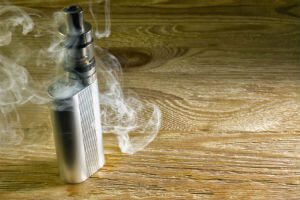 On Thursday, Illinois attorney general Kwame Raoul filed a lawsuit against JUUL Labs, Inc., which is the largest manufacturer of e-cigarettes in the U.S.
 You may have heard that insurance companies are notorious for looking for ways to deny or devalue claims. They do this with all kinds of claims, including dog bite claims. Dog bite claims are strict liability claims based on Minnesota Statute 347.22. Victims do not need to prove “negligence”, as is typical in normal injury cases, but strict liability does not mean absolute liability.