Is There a Higher Risk of Pedestrian Car Crashes During the Winter Months?

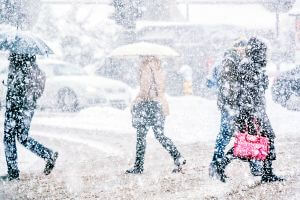
snowy day with pedestrians walkingWhile the temperature drops, the risk of a pedestrian car crashes rises. There are many reasons for this, primarily the fact that the days are shorter, and nights are longer. With winter weather making it harder for drivers to see pedestrians, and pedestrians distracted by the snowy and icy ground, this has the potential to create a recipe for disaster.

Below, we discuss why pedestrians may be at higher risk for a collision with a car during the winter months. We also discuss what victims of these crashes should know about when seeking compensation for damages.

TSR Injury Law has been helping victims of crashes in Minnesota recover compensation for decades. Our firm has obtained more than $1 billion in compensation for injured victims in Minneapolis and throughout the state.

The initial legal consultation is free and there is no obligation for you to hire our firm. There are no upfront fees if a Minneapolis auto accident lawyer takes your case. We do not get paid unless you receive compensation.

Why Pedestrians May Be in More Danger in the Winter

Winter can be a dangerous time to be out on the roads and sidewalks if you’re not aware of your surroundings. The weather, including the low temperature, limited visibility and poor ground conditions makes things much more hazardous.

These are some of the main reasons why winter is a dangerous time to be a pedestrian:

  • Weather reduces visibility for drivers and pedestrians – Weather events like snow, rain or fog can make it harder for people to see clearly. Precipitation, such as snow or rain, often makes it look darker outside. Even with windshield wipers and other vehicle safety features working as intended, drivers are often working with limited visibility. It’s also good to keep in mind that many pedestrians out in the cold may be wearing hoods which can limit their peripheral vision, making it harder to see oncoming vehicles.
  • People tend to drive too fast, even in bad weather – People with all-wheel drive, especially, tend to think they can still drive faster in bad weather. While winter tires and all-wheel drive helps, driving at fast speeds in bad conditions will make drivers just as susceptible to a crash. Unfortunately, when people are in a hurry, they tend to lose focus on their surroundings, potentially creating a dangerous environment.
  • It is harder for pedestrians to escape danger– Whether it’s raining or snowing, or there’s simply ice on the walkways, pedestrians have a much more difficult time dodging incoming danger. Sometimes sidewalks and other walkways are cleared of ice and snow, but oftentimes they are not. This can force some pedestrians to walk in the street, in the snowbank, or dangerously close to the curb. Finding yourself in these scenarios, even briefly, greatly increases the risk of getting hit by a car.
  • Drivers and pedestrians are often distracted – Despite bad weather, drivers still text while they are behind the wheel. They may also get distracted by changing the radio station, talking with passengers or adjusting the setting on the heater. However, drivers are not alone, as pedestrians may also be heavily distracted, often times rarely looking up from their phone. When you combine distractions with winter weather, a crash between a car and a pedestrian is even more likely.

Why the Risk Goes Up at Night

In the winter, days are shorter, and nights are longer. That means more pedestrians will be walking closer to dusk and dawn when there’s less visibility. Darkness also impairs your depth perception, making it harder for drivers to judge distances.

Another factor at night is that there are more drunk drivers on the road. If you are walking near the road at night, you need to be extra careful and do your best to stay on sidewalks and other designated walking areas.

Some streets have more streetlights than others. Unfortunately, many drivers do not exercise more caution in areas with few or no streetlights. Pedestrians may assume drivers will be cautious in these areas, but this is a dangerous assumption.

Liability for a Pedestrian vs. Car Crash in Winter

Drivers and pedestrians have an obligation to follow relevant laws and use caution to help prevent a crash. If either party fails to uphold their obligation, they could be held liable for damages that may result.

However, drivers are often the ones held liable for pedestrian collisions. That is because drivers are often better able to prevent crashes. As motor vehicle operators, they are the most likely to be liable for injuries and damages.

Your lawyer is going to need to evaluate the driver’s actions leading up to the crash. Was he or she engaged in some sort of negligent behavior, such as:

  • Speeding
  • Distracted driving
  • Drunk driving
  • Driving through a crosswalk
  • Running a red light

Pedestrians can also be held liable for a crash in winter weather, such as if they darted out into the street, and a driver did not have any time to prevent a crash.

If you or your loved one was hit by a car as a pedestrian, you may be eligible to seek compensation. Contact TSR Injury Law to discuss what happened and find out how we may be able to assist you.

Tips on Pedestrian Safety in the Wintertime

There are practical steps pedestrians can take to help reduce their risk of a crash during the wintertime. For example, when possible, wear bright-colored clothing and reflective gear to make yourself more visible to drivers. Also, be sure to wear shoes that will give you plenty of traction on snow or ice to prevent you from losing your footing.

While drivers should operate their vehicles defensively, pedestrians should aim to do the same. This means not assuming drivers are going to use the appropriate amount of caution or avoid distractions. Assuming drivers can see you or will be able to stop in time can also lead to dangerous circumstances.

As always, before crossing the street, be sure to look left, right, and then look left again. Even though you have the right of way in a designated crosswalk, you cannot assume drivers will stay out of the crosswalk or heed to pedestrians.

Contact Us to Guide You Through the Legal Process

If you need help after being injured by a negligent driver, give us a call today. Our experienced lawyers are available to discuss how we may be able to assist you during this difficult time.

Our services come with no upfront fees or obligations, and we have a proven track record.

Unsure if you have a case? Call today to learn more: (612) TSR-TIME.
How a Car Crash Could Cause Victims to Suffer Burn Injuries

There are many injuries that are more likely to happen in a car crash other than a burn injury. However, when a burn injury occurs, it could be severe and require extensive medical care.

Crash victims who suffered burn injuries should strongly consider seeking help from an experienced attorney. Talking to a licensed Bloomington car accident lawyer can be an important part of the recovery process. The insurance company may try to deny or underpay your claim. Unless you have an experienced attorney representing you, it may be quite difficult to secure the compensation you need.

At TSR Injury Law, we have secured compensation for a variety of car crash injuries. We know how to build a strong case and manage each step of the legal process. Our services do not come with any upfront cost. The initial legal consultation is also free.

Need legal help? Contact TSR Injury Law: (612) TSR-TIME.

Seeking Compensation After a Burn Injury

If you were burned in a car crash, immediate medical treatment is the most important thing. Immediate treatment could be vital in preventing an infection and can lessen permanent disfigurement. In some cases, immediate treatment may also shorten your recovery time.

Immediate treatment also helps to link your injuries to the car crash. If you went right to the hospital from the scene, it is harder to argue your injuries were not caused by the crash.

Burn injuries could result in long-term nerve damage, may require extensive future plastic surgery expenses and are often hard to evaluate by insurance companies. This is particularly true when victims seek compensation on their own.  It is helpful to have prior cases with similar just verdicts or settlements to help an insurance company understand the true value of these injuries.

Reasons for Car Crash Burn Injuries

There are various reasons why a car crash could cause burn injuries. Some of the injuries suffered may include thermal, electrical or inhalation burns.

Airbag Burns

When the airbags deploy occupants could burn their faces or arms. When an airbag deploys, you might breathe in harmful chemicals.

Fire or Explosion

In a severe car crash, there could be a fire or even an explosion on impact. Even if vehicle occupants do not come into direct contact with the flames, they could suffer burns.

A fire or explosion can release smoke and fumes from toxic chemicals that vehicle occupants could breathe in. This could result in inhalation burns.

Damaged Wiring

It may also be possible to suffer electrical burns from damaged wiring in a vehicle or from downed utility poles.

One of the reasons why some crash victims suffer severe burns is because they get trapped in their vehicles. They may also have body parts contact fire or excessive heat while trying to get out of their vehicles.

Severity of Burn Injuries

Burn injuries are categorized by degree. First-degree burns are the least severe and fourth-degree burns are the most severe.

  • First-degree burns – These only affect the outer layer of skin and are sometimes called superficial burns. The site of the burn is often red. The skin may also become dry and start to peel as the burn heals. It usually takes just seven to 10 days for a first-degree burn to heal. Although these burns often heal on their own, you should see a doctor if the burn affects more than three inches of skin and if the burn is on a major joint (knee, ankle, shoulder, elbow).
  • Second-degree burns – These burns go beyond the top layer of skin and cause blistering. The site of the burn may be extremely sore. The more severe the burn the longer it will take to heal. In some cases, victims may need skin grafts to repair the damage.
  • Third-degree burns – These burns go through all the layers of the skin. The burn damages the skin, causing it to become charred and leathery. Despite the seriousness of the injury, it might not be painful because the burn may have damaged nerves.
  • Fourth-degree burns – A fourth-degree burn goes through the skin and tissue below that, potentially reaching the muscle and bone. Victims lose feeling in the area because the nerve endings got destroyed.

Complications From a Burn Injury

One of the main reasons burn injuries can be so severe is that victims could suffer a variety of complications that make recovery much more difficult. For example, you could suffer an infection. If bacteria from an infection enters the bloodstream it could cause sepsis, which could be fatal.

Sometimes burns that cover a large amount of skin can impair the body’s ability to regulate temperature. This can result in hypothermia.

Fourth-degree burns could cause muscles and/or tendons to shrink and tighten up, which can impair mobility in the air.

Victims need to seek treatment right away and keep up with it so doctors have the best chance to prevent infections and other complications that could potentially threaten the victim’s life. Surgery is often necessary to help prevent permanent scarring and contracture from a third or fourth-degree burn.

Contact TSR Injury Law to Discuss a Vehicle Crash Claim

Have you been injured in a vehicle crash caused by negligence?

You should consider seeking help from an experienced attorney. If you are not represented by an experienced attorney, the insurance company may be less likely to offer you full compensation.

Free initial consultation to discuss your crash. Call (612) TSR-TIME.

Liability for Car Crashes That Happen in Low Visibility Conditions

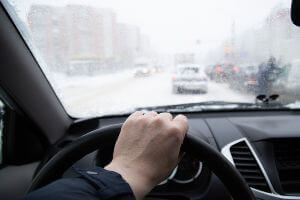
driver on road in the snowWinter weather can make it harder for drivers to see the vehicles around them. This means drivers may have much less time to slow down or change lanes to avoid a collision with another vehicle or fixed object. That is why drivers have an obligation to take extra precautions to avoid crashes in these conditions.


If drivers do not take extra precautions in low visibility conditions, they could be held liable for damages if a crash occurs. That said, determining liability for these crashes can be a challenge. The drivers involved may not know much about what happened because the weather conditions made it harder for them to see.

Victims of collisions in low visibility conditions should consider talking to an experienced Minneapolis auto accident attorney about possible legal options. At our firm, the initial legal consultation is free of charge, and there are no upfront fees before taking your case.

TSR Injury Law is ready to assist you. Call us today: (612) TSR-TIME.

Weather Conditions That May Impair Drivers’ Visibility

There are a variety of weather conditions that can make it harder for drivers to see, such as:

  • Sleet
  • Hail

Driving in these conditions is much more dangerous at night, as it is going to be even harder to see through snow or precipitation without daylight to help you. Some roads have fewer streetlights than others, and some have no streetlights at all. When you combine poor/low lighting with bad weather conditions, a crash may be much more likely to occur.

In the summertime, glare from the sun can also impair visibility. This is more likely to happen when the sun is rising or setting, and you are driving toward the rising or setting sun.

Other Conditions That Can Obstruct Visibility

Weather is not the only thing that can make it harder to see around your vehicle when you are driving. For example, if you are trying to turn left across two lanes of traffic but there is a hill in front of you, it may be impossible to see oncoming cars.

Road construction could also impair drivers’ visibility. Some lanes may be blocked off and it can be difficult to follow the directions from construction workers or signs. This is why it is important to slow down in construction zones, so you have enough time to avoid a collision.

When turning out of a parking lot or shopping center, there may be trees, bushes and other landscaping obscuring your view of the road. For instance, a long line of bushes could limit how far you can see to your left when you are waiting to make a right turn.

How Impaired Visibility Can Make It Harder to Assess Fault

Many car crash cases boil down to the two drivers’ accounts of the incident. In a third-party liability insurance claim, the victim is going to need to prove the other driver’s negligence caused the collision and resulting injuries.

However, proving what happened can be challenging because both drivers may have had impaired visibility. They may also have limited information about what occurred.

Liability for Low Visibility Crashes

One of the key questions after a crash in low visibility conditions is whether the other driver took extra precautions to avoid a collision. For example, even if the other driver was obeying the speed limit, he or she may have been negligent because it may have been necessary to drive below the speed limit.

It is also reasonable to expect drivers who are in impaired visibility conditions to leave more space in front of their vehicles to avoid a rear-end collision.

Even if it is daytime, drivers may have an obligation to drive with their lights on when there is bad weather that impairs visibility. Failure to do so could cause a driver to be held liable for damages from a crash.

Sometimes a crash occurs because drivers did not properly maintain their vehicles. Their windshield wipers may have been too old to properly clear the rain or snow away. This can make a crash much more likely to occur, particularly when the weather is already impairing visibility.

Old tires are more likely to lose traction in bad weather. If this happens, the driver of that vehicle is likely to be held liable for a collision. This is because drivers are responsible for properly maintaining their cars.

Drivers have no control over the weather, but they cannot blame the weather for a crash.

What if There was Bad Lighting?

If the crash happened on a dark roadway with few or no streetlights, it may be possible to hold a government entity liable for maintaining a dangerous road. However, the question may also be whether the driver could have done more to avoid the collision. For example, if the driver had turned on his bright headlights, the crash may have been avoided.

Victims of collisions in low visibility conditions should consider seeking help from an experienced lawyer. At TSR Injury Law, we have the experience and resources to investigate these crashes and build strong cases. Like you, our goal is to secure full compensation for your damages.

Call TSR Injury Law After a Vehicle Crash

If you need insurance compensation after a crash, talking to an experienced lawyer can be an important step. Insurance companies are trying to find some way to deny your claim or offer a reduced amount of compensation to make you go away.

We have been taking on insurance companies for many years and we have helped many crash victims obtain the compensation they need.

Licensed Attorneys. No upfront fees. Contact us at (612) TSR-TIME.

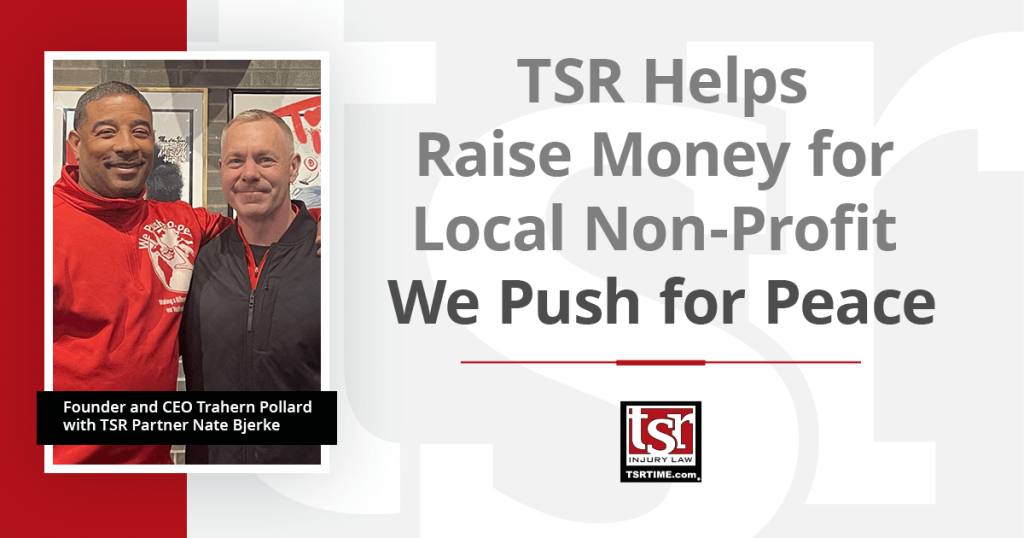
TSR Helps Raise Money for We Push for Peace CDL Training Program for At-Risk Youth

Current image: fundraiser for we push for peace graphic|nate bjerke at fundraiser|fundraiser for we push for peace graphic

Our firm participated in and donated to a community fundraiser for a non-profit called We Push for Peace on Monday night. The organization is raising money for its CDL program, which provides free training for at-risk young people to help them earn a Commercial Driver’s License. Donations help the organization purchase trucks, pay instructors, and rent space for equipment for practice and training.

We Push for Peace was started by Trahern Pollard to advocate for and be a resource to those in the inner city, including local businesses and youth. The organization owns and operates Xavier’s Employment and Training, which serves underprivileged youth between 16 and 24 years old.

We Push for Peace also provides:

  • Mental health assessments and resources
  • Employment assistance, including resume development, mock interviews and job placement
  • Pre-employment training
  • Victims of violence support groups
  • Financial education
  • Home buying classes

TSR Partner Nate Bjerke Taught Group of Lawyers About Opening and Closing Statements

Current image: nate bjerke presentation graphic

The lawyers at TSR Injury Law are frequently asked to teach other lawyers about a wide range of topics, including trial practice. Yesterday, Partner Nate Bjerke presented at the Minnesota CLE seminar on trial preparation.

The all-day seminar was titled Trial Preparation: A Strategic Approach. Due to the weather, the seminar was presented live online instead of in-person.

From 10:25 to 11:25 a.m., Bjerke, along with Kathy S. Kimmel and Judge John R. Tunheim, taught a group of lawyers about preparing opening and closing statements. Their session was titled Preparing Your Opening and Closing Arguments – How to Strengthen Your Credibility with the Judge and the Jury.

The goal of the session was to help lawyers strengthen their credibility and make winning arguments.

The full seminar will be replayed online on Tuesday, March 14, 2023, between 9:00 a.m. and 4:30 p.m.

Why Pain in Your Jaw or Ears May be a Sign of a Severe Car Crash Injury

woman rubbing jaw in painDid you know pain in your jaw or ears after a car crash could be a sign of a brain or spinal cord injury?

While jaw or ear pain could be an indication of a problem that is limited to your jaw or ear, you should not assume this. You need to be examined by a licensed medical professional.

Below, we discuss the implications of pain in your ear or jaws. If you are dealing with an injury after a car crash that was not your fault, TSR Injury Law may be able to assist you. We have been taking on insurance companies for decades, securing compensation for those injured in many types of crashes.

An initial legal consultation with one of our experienced Minneapolis vehicle accident attorneys is free of charge. We also do not get paid for representing you unless you receive compensation through an out-of-court settlement or courtroom verdict.

Contact TSR Injury Law today: (612) TSR-TIME.

Why Your Ears May be Hurting After a Crash

A blow to the head could easily cause damage to your inner ear, as the inner ear is quite fragile. For example, you could hit your head on the steering wheel or door window when struck by another car.

If you experience any of these symptoms after a car crash, it could indicate an injury to your ear:

  • Feeling like your ear canal is blocked
  • Difficulty hearing
  • Feeling dizzy
  • Tinnitus, also known as ringing in the ears
  • Feeling sick to your stomach

Long-Term Problems Associated With Ear Pain

The injury may be limited to your ear. However, sometimes damage to the ear is associated with another issue. For example, if fluid or blood comes out of your ears it could be a symptom of an injury to your spinal cord or a fractured skull. Such injuries may be particularly likely if you got hit in the head.

Ringing in the ears may be tinnitus, but there are times when it is also a symptom of whiplash. Whiplash is a neck injury caused by the sudden back and forth movement of the neck. Muscles, tendons and ligaments could get sprained or torn, causing intense pain in the neck that may move down the shoulders and into the arms.

You should not wait to seek treatment for something as serious as a skull fracture or spinal cord injury. Without treatment, the injury could get much worse. Spinal cord damage could result in some level of paralysis and significant back pain.

Why is My Jaw Hurting After a Car Crash?

Your jaw is one of the most fragile parts of your skull, as it is the only part that moves.

A blow to the jaw could do significant damage to the muscles and ligaments around the bone. This could make it much harder to use the jaw the way you normally do, such as for talking or chewing food. For example, you may get temporomandibular joint disorder (TMJ) after a blow to the jaw in a car crash.

TMJ symptoms include:

  • Pain in your ear and/or face
  • Difficulty closing or opening your mouth
  • Struggling to chew food or pain that gets worse when you chew
  • Headaches, including headaches when you wake up
  • Clicking when moving your jaw

TMJ could make everyday life much more difficult. Imagine dealing with pain each time you talk or chew food. TMJ can make it difficult to sleep, as the pain makes it difficult to relax.

You may think the injury will heal on its own if you just take it easy. However, you need to use your jaw countless times per day. Your jaw injury is unlikely to get significantly better unless you get treatment from qualified medical professionals.

When Could Jaw Pain Indicate a Severe Injury

As TMJ could be caused by a blow to the head, you may have also suffered a traumatic brain injury, damage to your skull, or even whiplash. This may be particularly likely if you have jaw pain and ear pain.

Anyone who gets injured in a crash needs to seek medical treatment as soon as possible. This is especially true if you have pain in your ears or your jaw. Without treatment, everyday life can be particularly difficult. Chronic pain makes everyday life a challenge because it is hard to concentrate on what you are doing. Sleep can become difficult, which makes you tired, and this affects you mentally.

If you wait to seek treatment, you are not only affecting your recovery, but you are also hurting your chances of recovering full compensation for your damages. The insurance company will use a delay in treatment to claim you were injured because of something besides the crash. The insurance company may also say you failed to take reasonable steps to mitigate your damages.

Call TSR Injury Law Today to Discuss Your Claim

Car crashes can cause devastating injuries that take a long time to heal. If you were injured in a vehicle crash, you need experienced legal representation. You cannot count on the insurance company to provide the compensation you need for medical bills and other damages.

Contact our firm today to learn more about how we may be able to assist you during this challenging time. We take cases on contingency, which means no upfront fees.

TSR Injury Law. Experienced Lawyers. Millions Recovered: (612) TSR-TIME.

Why Victims Have the Burden of Proof in a Personal Injury Claim

When people get injured because of another person’s negligence or reckless conduct, they may be able to recover compensation for damages that occur. However, victims cannot recover compensation unless they prove their injuries were a direct result of the other party’s negligence.

In other words, the burden of proof in these claims falls on the victim. The victim needs to provide evidence for his or her claim and evidence of the damages he or she suffered. If the case makes it to trial, the jury will need to decide if the victim’s claims are true based on the preponderance of the evidence.

Below, the experienced lawyers at TSR Injury Law discuss the burden of proof in personal injury claims. One of the most important takeaways for injured victims is that proving a case is a complex task that requires extensive knowledge of the law. You also need an experienced attorney who has handled a variety of cases.

At our firm, we have advocated for the injured for decades. We have secured more than $1 billion on behalf of our clients in Minnesota. Our Bloomington personal injury attorneys charge no upfront fees, and we manage each part of the legal process on your behalf.

Free consultation. Call to discuss your claim: (612) TSR-TIME.

Defining the Burden of Proof

One way to think about the burden of proof is that it is the minimum standard you must satisfy to legally establish a fact in court.

The minimum standard varies depending on the type of case. For example, in a criminal case the standard is guilt beyond a reasonable doubt. In a civil case, such as a personal injury case, the standard is the preponderance of evidence. Injured victims must prove the different elements of their case by the preponderance of the evidence.

Another way to think about the term preponderance of the evidence is that what you are claiming is more likely than not. If a jury believes a plaintiff’s claims are at least 51 percent true, the victim has met the preponderance of the evidence standard.

Why is the Burden of Proof on the Victim?

The burden of proof is on the victim in a personal injury claim because he or she is the one seeking compensation for damages. The defendant, which is often an insurance company in a personal injury case, is not obligated to prove their version of events is true. They can simply attack the evidence and argue it is not true.

It can be helpful to imagine if the roles in your case were reversed. What if another party is claiming you caused them to be injured even though you did not? Proving something did not happen is difficult. Therefore, the plaintiff has the burden of proving that you caused them to be injured.

The way this is set up helps to protect people from potentially being taken advantage of. Although many people are injured due to the negligence of others, there are people who attempt to commit fraud and take advantage of people who did not do anything wrong.

Satisfying the Burden of Proof in a Personal Injury Case

In a personal injury case, you must prove negligence occurred. Negligence is a legal concept that has four elements.

Duty of Care

You must establish that the at-fault party owed you an obligation to take reasonable steps to prevent you from getting injured. For example, drivers have an obligation to follow the rules of the road and not engage in reckless behaviors. A specific example of this is not driving while drunk.

Breach of a Duty of Care

When someone does not uphold a duty of care, it is said they breached the duty of care. Their actions or, in some cases their inaction, caused a duty of care to be breached.

If a driver could have avoided a collision by hitting his or her brakes and he or she failed to do so, it could be said that his or her inaction caused a duty of care to be breached.

Causation

This element could be considered the crux of a personal injury case. You need to draw a direct link between the breached duty of care and your injuries. You need to show that you would not have been injured had it not been for the negligence of the party you are seeking compensation from.  For example, if you were in a crash but were already scheduled to have neck surgery, it would be difficult to argue the crash caused the need for the surgery.

Existence of Damages

Even if there was a breach of the duty of care, there is no case unless you can prove you suffered damages. If you do not have medical expenses or lost wages, there is no case. The defendant may have acted negligently, but the purpose of a personal injury claim is to recover compensation for damages suffered due to the negligence of another party. If there are no damages, there is no compensation to recover. If a drunk driver hits you, but you are not injured, you do not get a claim for injuries because “I could have been hurt.”

Challenges of Building a Strong Case

There are various pieces of evidence you will need to prove your case and have a chance to successfully recover compensation. For example, you need evidence of your damages, including:

  • Medical records showing your diagnosis and relevant test results
  • Evidence of the wages you lost while you were unable to work
  • Documentation of the damage to your vehicle and the cost to repair the damage

You must also provide evidence of the breached duty of care and evidence connecting the breach to the injuries you suffered. This can be the most challenging part of a personal injury claim. This is often done with evidence like pictures from the scene, pictures of your injuries, documentation of the opinion of your treating doctor, eyewitness testimony if it is available, and potentially more, like:

  • Testimony from expert witnesses, such as medical experts and accident reconstruction experts
  • Video footage of the crash
  • Statements from the victim and others in his or her life about the injuries

As building a case is a complex process. There are so many details to think about that it is best to leave the case in the hands of an experienced lawyer who has been through the process many times before.

Injured victims who attempt to go through the process on their own do not consider all the things that can come up during a case. At TSR, we are prepared because we have been representing the injured in Minnesota for decades.

Contact TSR Injury Law Today to Learn More About Our Services

The burden of proof in an injury claim falls on the victim. The good news is you do not need to build a case on your own. You have the right to hire an attorney to help you.

Your choice of an attorney is an important decision. You need a lawyer who has proven results and has the resources and legal knowledge to guide you through each stage of the process.

There are no upfront fees for our services. The initial consultation is free of charge.

TSR Injury Law is here to help injured victims. Call (612) TSR-TIME.

Misconceptions About Rejecting a Settlement Offer After a Car Crash

putting hands up and refusing a penCar crash victims are often afraid to reject a settlement offer made by the insurance company. They may think that if they reject a settlement offer, they will not get any compensation for their damages. This could be because the insurance company made some misleading statements. There are also a lot of common misconceptions that people believe about the legal process.

Below, we discuss what it means for a crash victim to reject a settlement offer and why rejecting the first settlement offer is the best move. The first settlement offer from the insurance company is always far below the full value of the victim’s damages.

At TSR Injury Law, we have secured favorable settlements for car crash victims for more than two decades. Our services come at no upfront costs. There is also no obligation to take legal action after the initial consultation with one of our licensed attorneys.

Contact TSR Injury Law today to discuss your claim: (612) TSR-TIME.

What You Need to Know About Rejecting a Settlement Offer

The first settlement offer that insurance companies make is often far less than the full value of your claim. It may be tempting to accept this offer because you know you will get compensation.

However, once you accept a settlement offer you cannot recover any more compensation. You do not want to be left paying for your damages out of your own pocket. That is why it is always best to reject the first settlement offer.

Rejecting a settlement offer does not mean your claim is closed. In fact, rejecting a settlement offer is just the beginning of negotiations.

You may be able to get the insurance company to offer more compensation, especially if you hire a lawyer to negotiate on your behalf. You want a lawyer with courtroom experience, so the insurance company knows you are serious about getting more compensation and they understand the consequences of not making a fair offer.

Our attorneys understand that crash victims often have many questions about their rights, legal options and the value of their claims. We know how to answer these questions and an initial consultation with one of our lawyers is free of charge.

Should You Reject a Settlement Offer on Your Own?

Although you are within your rights to reject a settlement offer, you should not do so alone. It is better to discuss the situation with an attorney and allow him or her to reject the offer on your behalf, if rejecting the offer is the best course of action.

If you reject an offer on your own, the insurance company may ignore you and not negotiate in good faith.  There is no fear of a lawsuit and yelling at the defense attorney for a fair offer will not work.   There is a better chance of receiving a follow-up offer if you are represented by an experienced attorney.

How Do You Know if a Settlement Offer is Inadequate?

This is a complex question, and you need to know a lot of information to come up with an answer. It is difficult for crash victims to gather all the relevant information and analyze it appropriately. That is why you should give serious consideration to talking to a lawyer about it.

If a claim is not worth a significant amount of money, the victim may be able to get full compensation from the insurance company on his or her own.  A thousand-dollar claim is still worth the same with a lawyer.

However, if you need significant compensation for your damages, you need experienced legal help. In these situations, insurance companies are highly unlikely to make a fair offer. The first offer is very likely to be far below the value of your claim. You may need tens of thousands of dollars for medical treatment and lost earning capacity, but the insurance company may only offer $5,000.

One of the benefits of working with an experienced lawyer is that he or she has handled claims that are like yours and know the true value of the claim based on hundreds of other cases that are similar and settled over time. This provides an experienced attorney invaluable insight into determining what your claim may be worth.

Dangers of Accepting a Settlement Offer

Sometimes insurance companies lead victims to believe they are going to receive full payment of their claim later. For example, you may sign a document and receive some money from the insurance company with the assurance that more will be coming.

However, this is not true because once you sign a settlement offer, you sign away your right to try to obtain more compensation from the insurance company, either through a settlement or a lawsuit.  Some insurance companies are notorious for offering a few thousand and suggesting you call back if more is needed later.  This is not the law and once a release is signed, there is no “call back later” compensation.

If you have any questions about a settlement offer or think that rejecting the offer and holding out for more money is the best option, you should discuss it with a licensed attorney. While compensation cannot change what happened in the crash, recovering full compensation is so important in the aftermath of a serious injury. Your life has been turned upside down and without full compensation, it is going to be very difficult to move forward.

Call to Set Up Your Free Legal Consultation

You may think you can handle a car crash claim on your own. However, there are a lot of things you may not have considered. Your injuries could be worse than you realize. If the insurance company does not offer enough compensation, it is going to be very difficult to get them to make a better offer without a lawyer.

It costs nothing to discuss your legal options in a free consultation with a Bloomington car accident lawyer from TSR Injury Law. We also do not get paid unless our clients get paid.

Free consultation. Millions recovered. Call (612) TSR-TIME.

What Are Pain and Suffering Damages in an Injury Claim?

Car crash injuries can take a tremendous physical and psychological toll on victims. Everyday life can be painful and uncomfortable, causing victims’ mental health to suffer.

At TSR Injury Law, we understand the wide-ranging effects of a car crash injury. We have helped many crash victims secure full compensation for their damages, including compensation for their pain and suffering.

Below, we discuss what may potentially be included in a claim for pain and suffering. If you were injured in a vehicle crash, call us to schedule a free legal consultation. We may be able to seek compensation on your behalf, at no upfront cost to you.

TSR Injury Law. Experienced Lawyers. Free Consultation. (612) TSR-TIME

What is Pain and Suffering?

Pain and suffering is a term that refers to the physical and emotional effects of a personal injury.

Physical Pain and Suffering

Physical pain and suffering refer to the physical pain and discomfort caused by an injury. This can be the pain and discomfort you experience soon after the injury or in the future.

For example, injury victims could experience pain and discomfort because of:

  • Neck injuries
  • Headaches
  • Broken bones
  • Traumatic brain injuries
  • Damage to nerves
  • Paralysis
  • Back injuries
  • Joint injuries
  • Damage to internal organs

Emotional/Psychological Pain and Suffering

This refers to the damage to your mental and psychological health from a personal injury. Injured victims may become depressed because of their new physical limitations. For example, victims who are paralyzed by an injury may struggle to adjust to their new life.

Other examples of emotional/psychological injuries that may result from a physical injury include:

  • Shock
  • Humiliation
  • Mental anguish
  • Emotional distress

In some cases, the mental health issues are so difficult the victim is unable to work or must work in a limited capacity.

Personal injuries can also cause lost enjoyment of life because you cannot take part in the activities you once enjoyed. For example, a brain injury or spinal cord injury could cause permanent impairment that makes it more difficult or impossible to participate in leisure activities, such as sports or outdoor activities with your children.

If you were seriously injured in a car crash, the Bloomington vehicle accident attorneys at TSR Injury Law are committed to seeking full compensation, including compensation for pain and suffering. We can discuss pain and suffering and other damages in a free legal consultation.

Proving Your Pain and Suffering

When you seek compensation for medical expenses, you can present bills and receipts to prove the cost. Your medical records can also be used to prove the existence of the injury that created those expenses. However, the value of pain and suffering is subjective, as there is no objective evidence to prove its value.

Fortunately, there are many ways to establish the existence of pain and suffering and methods for calculating the value of pain and suffering. For example, if you are dealing with psychological trauma and are seeing a mental health counselor, records of these visits could be used to document your emotional or psychological suffering.

Your lawyer may ask you to keep a journal in which you document how your injuries affect you each day. For example, you could note your pain level on a scale from one to 10 each day. You could talk about difficulty sleeping and the stress and anxiety you feel about recovering from your injury.

If you are not able to participate in some of the same activities that you did before your injury (playing sports, exercising, running, playing with your children outside, etc.), your lawyer may ask you to provide evidence that you used to do these things. For example, pictures of you engaged in these activities may help. Testimony from people in your life about the enjoyment you got from these activities may also be helpful.

Your medical records may also help your lawyer to document physical pain and suffering. For example, if you have been going to physical therapy, the therapist will need to assess your physical abilities at the start of therapy. As you continue getting treatment, the therapist can note any improvement. He or she can also take note of movements that cause pain and your level of pain.

Assigning a Value to Pain and Suffering

This is something your lawyer can discuss with you as he or she is building your case. However, there are different methods that could be used to determine what pain and suffering is worth. For example, there is something called the multiplier method, in which the value of your economic damages is multiplied by another number and the result is the value of pain and suffering.

There is also the per diem method in which a dollar amount is assigned to each day of the victim’s pain and suffering.

However, you cannot simply apply a formula without considering the many factors that affect the value of a pain and suffering claim, such as:

  • Severity of the victim’s injuries
  • Whether doctors support the victim’s claims about physical and emotional pain and suffering
  • If others in the victim’s life (family, friends) back up the victim’s claims about pain and suffering
  • If the victim receives an official diagnosis of a mental health issue, such as anxiety or depression
  • Steps the victim has taken to mitigate pain and suffering
  • And more

Call TSR Injury Law After a Car Crash Injury

If you suffered an injury in a car crash and you are going to need treatment for weeks or months after the collision, you should consider talking to an experienced attorney. Recovering full compensation can be a challenge, as insurance companies are looking for some way to deny or at least underpay your claim.

Our attorneys have taken on insurance companies for a long time and have a track record of success. There are no financial risks with our services, as there are no upfront fees, and you are not obligated to hire our firm after a free initial consultation.

Have questions about your claim? Call us today: (612) TSR-TIME.

Seeking Compensation After Suffering Internal Organ Damage in a Car Crash

dialysis machine in hospitalThe body experiences a significant amount of trauma during a collision.
For example, you could suffer internal injuries that could be life-threatening. Your organs could get so significantly damaged that they shut down. You could bleed internally, such as in the brain. One of your lungs could get punctured, making it difficult for you to breathe.

Below, we discuss internal organ damage and other internal injuries that may occur in a crash. If you suffered internal damage in a crash, the first thing you need to do is seek treatment.

Finding an experienced Bloomington auto accident lawyer to help you sort through your legal options is also an important step. Even though your injuries are clearly serious, the insurance company is still going to downplay them. They may try to deny or underpay your claim. You need someone with vast experience in car crash cases to help build a strong case and aggressively pursue full compensation.

TSR Injury Law is ready to help. Call us today to learn more: (612) TSR-TIME.

Internal Injuries That Often Occur in Car Crashes

Internal injuries can be life-threatening. That is why it is important to seek medical treatment as soon as possible. There are treatment options for these injuries, but if you wait too long, the injury could get much worse.

Damage to the Liver

Sometimes the liver gets torn open during a car crash, resulting in internal bleeding. This needs to be dealt with quickly to prevent a life-threatening situation.

Damage to the Kidneys

Your kidneys could also suffer damage in a crash if your lower back gets hit hard enough. Sometimes kidney damage results in internal bleeding, other times victims may need a kidney transplant. If a transplant is unavailable, the victim is going to need to go on dialysis.

Traumatic Brain Injuries

Whether you hit your head on something or not, you could suffer a brain injury in a car crash. For example, you could suffer a concussion if your head gets thrown forward. Your brain hits the inside of your skull similar to shaken baby syndrome.

A brain injury could result in bruising or even bleeding. If bleeding is severe enough, victims may need surgery to relieve the pressure and prevent a life-threatening situation.

Broken Ribs

A blow to the chest during a collision could cause your ribs to fracture. These injuries make it hard to breathe and limit your mobility. One of the things to watch for with these injuries is damage to surrounding tissues or organs. If this happens, surgery may be necessary to repair the damage.

If surgery is not necessary, it may take weeks or months to fully recover from these injuries.

Lung Puncture

A fracture to your ribs could result in a punctured lung, affecting your breathing. Air can flood your abdominal cavity, which can be life-threatening if not treated right away. A lung puncture is also called pneumothorax.

Rupture to the Spleen

If your spleen gets ruptured, you may suffer extensive internal bleeding. Immediate treatment of this injury is essential.

Rupture of the Abdominal Aorta

The abdominal aorta can get ruptured if the stomach gets crushed in a car crash. If this happens, the result is more than likely fatal.

Symptoms of Internal Injuries

There are some common symptoms of an internal injury, such as internal bleeding. These symptoms include:

  • Pain in the stomach
  • Fatigue
  • Pale complexion
  • Feeling lightheaded
  • Feeling thirsty
  • Blood in your urine or stool
  • Dark purple skin on your abdomen
  • Feeling nauseous
  • Rapid heart rate
  • Weakness
  • Other signs of shock that may indicate an internal injury

Treatment Options for Internal Injuries

In extreme cases, an organ transplant may be the only option for an internal organ injury. Sometimes doctors need to do surgery to repair internal bleeding. Once this is done, the victim is likely to recover, unless there were complications during the procedure, such as an infection or damage to surrounding tissues. There also may be problems with the victim’s body not accepting an organ transplant.

If you have symptoms that may indicate an internal injury, you need to get treatment right away. If you wait, you could be putting your life at risk.

Compensation for Internal Injuries

If you suffered an internal injury in a crash caused by a negligent driver, you may be eligible to obtain compensation for the damages you suffered.

Cost of Medical Treatment

This includes the cost of treating and stabilizing your injuries. It also includes the cost of ongoing treatment. For example, you may need treatment after an organ transplant to make sure your body is adjusting properly.

Lost Wages

You may be unable to work while recovering from an internal injury. Our attorneys are prepared to pursue all lost wages.

If your injury hurts your ability to work long-term, we may also be able to pursue loss of earning capacity.

Pain and Suffering

The physical pain from an internal injury can be significant. There may also be a psychological component as victims may struggle to get sleep and become depressed or anxious.

Call TSR Injury Law to Discuss Your Car Crash Claim

Have you been injured in a collision with another vehicle?

We are ready to help you seek full compensation for all your medical treatment, lost wages, property damage and other damages you may have suffered.

At TSR Injury Law, there are no upfront fees with our services. We do not get paid unless you get paid. The initial legal consultation is free of charge.

Have legal questions? Call (612) TSR-TIME. We are here to help.

Can an At-Fault Driver Avoid Liability By Claiming Brake Failure?

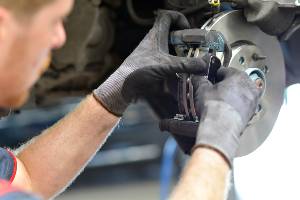
auto mechanic assembling brakesYour brakes are one of the most important parts of your car. If they fail to stop your vehicle or do not work properly, a dangerous collision will result.

That said, drivers cannot typically blame a crash on failing brakes. The reason for this is that brakes rarely fail without exhibiting some type of warning signs. This means the driver of a vehicle with brake failure would probably have known his or her brakes needed maintenance, repair or replacement long before they actually “fail”.

If the driver who caused a crash knew there were problems with his or her brakes, he or she is liable for damages. For instance, a driver may have known his or her brakes needed maintenance because they made unusual noises when trying to stop. Another example might be is if the driver received a vehicle recall for a brake issue or a mechanic told the driver the brakes needed to be serviced.

Below, we discuss liability for a crash caused by failing brakes. At TSR Injury Law, our Minneapolis car crash lawyers offer a free legal consultation and there is no obligation to hire our firm after meeting with us. There are also no upfront fees for our services.

Schedule your free consultation today by calling (612) TSR-TIME.

Why Brake Failure Happens

The brakes in your vehicle will not last forever. The age of your brakes combined with how you use them can cause components to wear down and become less effective. That is why your brakes should be regularly checked and serviced according to your vehicle maintenance schedule.

There are times, however, your brakes might wear down sooner than expected. Drivers may find out about this in a number of ways. In newer cars, your vehicle may have a warning light for your brakes. If that light comes on, you should be sure to get your car to a mechanic as soon as possible.

Drivers also need to take notice of any strange or unusual noises that sound when they apply their brakes. For example, screeching, squealing, grinding or squeaking noises could indicate worn brake pads or shoes. If your brakes feel a little too loose or spongy, it could also be a sign of wear and tear.

Another sign of possible brake trouble may be if you see a trail of yellowish-to-brown-colored leaks coming from the underside of your vehicle. These should always be investigated right away. It is possible the leak is brake fluid, which could impair the proper functioning of your brakes and make a crash much more likely.

In addition to unusual sounds or leaking brake fluid, other signs of malfunctioning brakes could include:

  • A burning smell
  • Your vehicle moving to one side when you hit the brakes
  • Your steering wheel shakes or roughly vibrates when brakes are applied

However, even if you get your brakes serviced, it will not matter if the mechanics do poor work. That is why it is important to only allow qualified mechanics to work on your vehicle. Some people only allow the dealership to work on their vehicles, while others may use certified mechanics to do any maintenance or repairs.

Sometimes the brakes installed on a vehicle might have been made with defective or low-quality parts. They may also have been poorly designed. If known, these defective parts may result in a recall of brake components.

Brake Failure in Commercial Trucks

While brake failure creates a crash risk no matter the size of the vehicle, it is particularly dangerous with commercial trucks. These vehicles are large and heavy, so if they cannot slow down or stop when needed, the results can be catastrophic for any passenger vehicles in their path.

Commercial truck brakes can get worn out from overuse or improper use. For example, drivers need to be careful about the overuse of brakes on inclines or when going downhill.

Truck brakes may also be much less effective if the trailer on a commercial truck is overloaded. The extra weight can make it harder for the truck to stop.

Believe it or not, commercial truck brakes may also be less effective when the truck is not carrying any cargo or when it has no trailer. The reason for this is that the brakes of a large commercial vehicle are designed and calibrated to stop a fully loaded trailer. An empty truck also has less traction than one that is fully loaded. This means it takes more time and a longer stopping distance for an empty truck to stop than for one that is fully loaded. Additionally, a truck driver operating an empty vehicle could lose control if he or she slams on the brakes too hard or too quickly.

Liability in a Brake Failure Crash

One of the central questions in a brake failure crash is whether the driver of the vehicle with failing brakes knew there was a problem. If the driver knew or should have known, then he or she cannot use failing brakes as an excuse to avoid liability for the collision. If the driver did not know or could not have known, he or she may not be fully liable for damages from the crash.

Other parties that may bear liability for a collision due to brake failure may include:

  • Vehicle or vehicle parts manufacturers, such as if a part was defective
  • Commercial truck drivers
  • Commercial truck companies
  • Cargo-loading companies
  • Mechanics or auto repair shops for doing poor work or not repairing worn brakes

Even if the driver or another liable party knew or should have known about problems with the brakes, the victim and his or her attorney will still need to prove it. For example, your lawyer may be able to obtain maintenance records or information about an open recall. An analysis of the vehicle by an accident reconstruction expert may also show that issues with the brakes were preexisting.

Injured in a Minnesota Car Crash? Call Today

Our attorneys have been assisting crash victims for many years. We know this is a difficult time and we are committed to taking on the insurance company on your behalf. We know how important it is to obtain full compensation for damages from a car crash.

TSR Injury Law. No upfront fees. Call: (612) TSR-TIME.

Can Injured Victims Seek Compensation for Alternative Medicine?

Many injury victims entrust all their treatment to medical doctors. However, some victims may complement that treatment with holistic/alternative medicine. They may be seeking relief from pain, such as pain in the back, neck or joints. Alternative medicine may also be sought to help with fatigue or to regain strength.

While these treatments might provide relief, the insurance company may try and deny compensation.

Below, we discuss alternative treatment for personal injuries. If you have made use of these treatments, you should discuss them with an experienced attorney to see if you may be able to obtain compensation for them. If you can prove you benefitted from the treatment, there may be a chance you can recover compensation for your damages.

At TSR Injury Law, an initial consultation with a Minneapolis personal injury attorney is free of charge. We have obtained more than $1 billion on behalf of our clients in a wide variety of cases. We are committed to securing full compensation for your medical treatment, lost wages and other damages.

What are the Common Types of Alternative/Holistic Medical Treatment?

Alternative medicine includes a wide variety of treatments. For example, some injured victims may visit a chiropractor to help them with back pain or neck pain.

Chiropractors may do a spinal adjustment to provide pain relief from a back injury. Spinal manipulation may also be done to help improve range of motion. These treatments may help with various injuries, including whiplash.

Other examples of chiropractic treatments include trigger point therapy, myofascial release and massage.

Some other forms of alternative/holistic medicine may include:

  • Acupuncture
  • Massage therapy
  • Cupping
  • Homeopathy
  • Intravenous vitamin supplementation
  • Tai chi
  • Yoga
  • Body movement therapy
  • Herbal medicine
  • Meditation
  • Hypnosis

While more research is needed, so far, studies have shown that acupuncture provides some benefits to patients. Acupuncture may help to relieve pain in your neck and back and pain you experience after surgery.

This treatment involves the insertion of needles into certain places to stimulate the nervous system. It is thought that inserting these needles helps stimulate the body’s ability to heal.

Treatments like massage therapy, yoga and Thai chi may help to improve mobility. These treatments may also help with pain management. Some victims may turn to meditation or hypnosis to deal with psychological trauma caused by the accident itself. These treatments in combination with counseling from a licensed mental health professional may help.

Herbal supplements are not regulated by the FDA and there is not a lot of research about their effectiveness. However, there are various claims about supplements like turmeric, which some claim has helped to reduce their inflammation.

Proving You Benefitted From Alternative Medicine

It may be challenging to prove you benefitted from alternative or holistic medicine. Doctors and insurance companies are likely to attribute decreased pain or improvements in other symptoms to traditional treatment.

However, some doctors may acknowledge the benefit of some alternative treatment. If you are getting alternative treatment and think it helped you, make sure to inform your treating doctors. They may note it in your medical records, which may help strengthen your claim for compensation.

If a doctor recommends stretching to help with limited mobility, you may have a tough time doing stretches. However, if you receive massage therapy that allows you to do stretches, doctors may recognize the benefit of massage therapy.

Sometimes doctors might recommend alternative treatment to supplement traditional medicine. Proof of a doctor’s recommendation for things like acupuncture or massage therapy could help strengthen your claim for compensation. Insurance companies may have a much harder time arguing against doctors.

It is important to note you likely have a better chance of recovering compensation for alternative medicine if you are also getting traditional treatment. If you are only using holistic medicine, the insurance company may be more likely to argue you are failing to mitigate your damages.

Schedule Your Free Consultation Today to Discuss Your Claim

If you have any questions about your claim or the advantages of experienced legal representation, call us today. We have been representing those injured by the negligence of others for decades.

There are no upfront fees for our services. We do not get paid our fees unless you receive compensation. There is also no charge for an initial legal consultation with an attorney.

Contact us today. We are here to help: (612) TSR-TIME.