
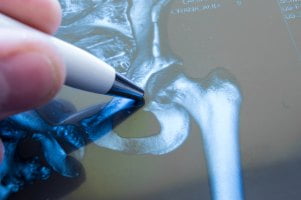
 Hip pain is a common symptom reported by car crash victims. While some experience pain right after the crash, some may not feel soreness or have any sign of an injury for several hours or days later. Either way, hip pain should be treated without delay.
If you or a loved one are experiencing hip pain or have been diagnosed with a hip injury after a car crash, our firm may be able to help you obtain compensation. While compensation may not be the first thing on your mind, it is vital to your recovery.
TSR Injury Law has recovered more than $1 billion on behalf of our clients, many of whom were injured in motor vehicle collisions.
Zero upfront costs or legal obligations. Call us at: (612) TSR-TIME.
Why Am I Experiencing Delayed Hip Pain After a Car Crash?
While some crash victims may feel symptoms of a hip injury immediately after being involved in a crash, others may not feel any pain for hours or even days. This is often a result of your body releasing chemicals (adrenaline and endorphins) that help mask the pain.
If you begin to feel pain in your hip hours or days after a collision, you may have sustained a hip injury. Unfortunately, delayed symptoms may increase the risk of complications and long-term hip problems.
Pain could indicate one of many hip injuries, including:
Hip Fracture
The impact of a crash could cause you to break one or more of the three bones in your hip, including the ilium, pubis or ischium. Some crash victims may suffer stress fractures, which may not hurt much right away, but the pain can worsen significantly as time goes on.
Hip Dislocation
Your femur could pop out of the hip socket and possibly sprain or tear supporting soft tissues. This may happen if your leg hits the dashboard during the impact of a crash.
Labral Tear in the Hip
Each hip socket contains a ring of cartilage that could get torn during a car crash.
Hip Bursitis
Many joints in your body, including your hips, contain bursae, which are fluid-filled sacs to cushion and lubricate the joints. Bursitis refers to inflammation of these sacs.
Tendonitis
Tendonitis refers to inflammation of tendons and ligaments. This soft tissue can have an impact to your overall mobility as it connects your muscles to various bones.
Sprains and Strains in the Hip
During a car crash, ligaments can get stretched too far or torn. This type of injury is extremely painful, and it can also make the affected joint unstable.
What Are The Symptoms of a Car Crash Hip Injury?
Pain is just one symptom that may indicate you have a hip injury. However, you could experience pain in a variety of places. There are other symptoms to watch for that may indicate a hip injury, including:
- Loss of strength in your hip or the affected leg
- Limited mobility
- Pain or inability to put weight on the affected leg
- Pain in your knee
- Pain in your groin
- Pain in your abdomen
- Limping when you walk
- The site of your injury feeling sore or tender
- Struggling to move the joint
- Increasing pain when you walk or stand up
- Numbness, which may indicate damage to nerves
- Clicking noises when you move the joint
If you experience any of these symptoms, you should seek treatment right away. If you wait, you may increase your risk of long-term complications from the injury.
After doctors diagnose and stabilize your injuries, you should strongly consider reaching out to an experienced Minneapolis car accident lawyer. Expensive medical care will often be needed in the event of a car crash, and victims who hire lawyers often recover more compensation than those who do not.
How Do Car Crashes Cause Hip Injuries?
Blunt force trauma is one of the most common causes of car crash injuries, including hip injuries. Your hip could get hit in a side-impact crash if the door gets bent inward. It is also possible that one or both your legs may also hit the dashboard and/or get pinned under the dashboard. Hip injuries could also occur if your body gets tossed around or violently twisted during the collision.
Treatment For Your Car Crash Hip Injury
Severe hip fractures may require surgery to repair the breaks or replace the hip. Doctors will need to do imaging tests (X-rays, MRIs or CT scans) to determine the extent of the damage and how it can be treated.
Soft-tissue injuries often do not require surgery. However, you may need to rest and limit physical activity to allow your injury to heal correctly. If you engage in too much physical activity, you risk further injury, such as another fracture.
Even if you do not need surgery, you are likely to need physical therapy to strengthen the surrounding muscles and tissues to prevent further injury. Doctors may also prescribe pain medication and anti-inflammatory medications to reduce swelling and promote healing.
While minor injuries may heal in a matter of a few weeks, severe injuries could take months to heal. Rehabilitation could also add significant time to the healing process.
What Are Your Legal Options For Recovering Compensation For Hip Injuries?
Minnesota is a no-fault state, so you can seek compensation for medical care from your own car insurance policy. Your lawyer may also be able to pursue a separate claim against the liability insurance in the at-fault driver’s policy.
Even though the insurance company may be liable for your damages, they are going to look for some way to deny or underpay your claim. When this happens, you may need to file a lawsuit to obtain the compensation you deserve.
At TSR, we are always prepared to go to trial, as our goal is to recover full compensation for medical care, lost wages and other damages.
If you have questions about legal options after a car crash hip injury, TSR Injury Law is here to help.
Call TSR Injury Law Today To Discuss Your Car Crash Claim
Many crash victims are unsure where to turn for help with the insurance company. While they might consider calling a lawyer, they may be unsure of how a lawyer can help.
TSR Injury Law manages the legal process on behalf of crash victims, which means we communicate with the insurance company, negotiate for compensation, write the demand letter, and much more. If you are already dealing with an injury, let TSR Injury Law handle the challenges of the legal process while you focus on healing.
We have been helping crash victims for decades and have established a proven record of success.
There are no upfront costs with our services. Call us today: (612) TSR-TIME.
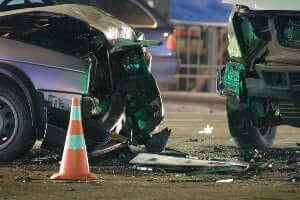 Minnesota car crashes are dangerous for everyone involved. While some at-fault drivers avoid serious injuries, others aren’t so lucky.
 There are many threats to your safety out on the road. One threat many people don’t think about is the sun, specifically sun glare. In fact, sun glare causes thousands of crashes each year, according to the National Highway Traffic Safety Administration.
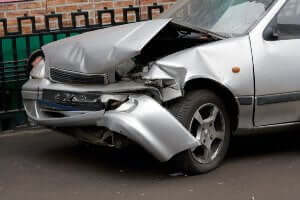 A head-on collision is one of the most dangerous types of car crashes, as those involved are at much higher risk for severe or even fatal injuries.
 School bus crashes are rare, but they do happen, either because of the negligence of the bus driver or another party. Even though school buses are large vehicles, the children who are on board could still suffer significant injuries.
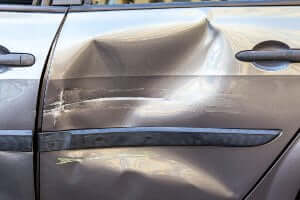 Some car crashes are more dangerous than others, putting those involved at a higher risk for severe or fatal injuries. A side-impact crash is one type of collision that can be especially devastating.
 Every driver involved in a Minneapolis crash is required to stay at the scene to exchange information, render reasonable medical aid to the injured and notify the police so a crash report can be completed.

 Many car crash victims initially feel soreness and fatigue. While soreness may take weeks or months to dissipate, fatigue usually resolves itself within a couple of days.
 Effective May 20, 2023, there are two big changes in wrongful death claims in Minnesota. First, a personal injury claim can continue after the victim dies (even if the death was not caused by the original claim). Previously, the law stated these cases end when the victim passes away, other than a claim for unpaid medical bills. Second, there is now a claim for the pain and emotional distress suffered by the decedent when they die.