What Are the Dangers of Driving While Dehydrated in Minnesota?

Driving while significantly dehydrated is a hidden danger that many drivers underestimate. Dehydration can cause fatigue and other symptoms that make it harder to operate your vehicle safely.

If a dehydrated driver caused your car crash in Minnesota, you may have a case for compensation. Our Minneapolis car accident lawyers have helped many crash victims receive compensation for their injuries.

We do not charge any upfront fees for our services. Contact us to set up a free consultation to discuss your case and learn how we can help.

More than $1 billion recovered. Call (612) TSR-TIME.

What Are the Risks of Dehydrated Driving?

Dehydration means you’ve lost more fluids than you have taken in. This can affect you both physically and mentally, especially when you engage in activities like driving.

These are some of the effects of dehydration that could make it much harder to safely operate your vehicle:

  • Dizziness
  • Fatigue
  • Confusion
  • Slower reflexes
  • Impaired cognitive function
  • Headaches
  • Altered mood

These effects can compromise your ability to make quick decisions on the road. For example, you may not brake early enough when a driver in front of you makes a turn, or you may not notice a pedestrian crossing the street.

The extreme summer heat can cause drivers to lose fluids rapidly, and without sufficient hydration, reaction time slows down. A split-second delay can cause drivers to crash into a stationary object or another vehicle.

Is Dehydrated Driving Just as Dangerous as Drunk Driving?

It may be. A study from England’s Loughborough University found that sufficiently dehydrated drivers performed like legally drunk drivers in a driving test.

Researchers split up study participants into two groups. One group consumed seven ounces of water every hour while the other drank less than one ounce of water per hour.

The study participants then did a driving test, and researchers counted the number of errors each group made. The dehydrated group committed significantly more errors than the hydrated group, including drifting out of their lane, braking late or running over rumble strips.

Researchers concluded the dehydrated group performed like drivers who had a blood alcohol concentration over the legal limit.

It is also important to note that dehydration is a common symptom of a hangover and hungover drivers may be at higher risk of causing a crash.

How Can Dehydration Cause a Minnesota Car Crash?

Driving dehydrated can cause various impairments that could lead to a collision:

Reduced Reaction Time

Dehydration slows cognitive functions, making it harder for drivers to react quickly to sudden changes on the road. For example, a dehydrated driver may not brake in time to avoid a collision with a vehicle that suddenly stops.

Impaired Judgment and Decision-Making

A dehydrated driver’s brain does not have the capacity to process information and make quick decisions. This can result in poor decision-making, such as misjudging the speed of oncoming traffic when making a turn.

Decreased Attention Span

Dehydration can limit your attention span and make it harder to stay focused on the road. Drivers who are not paying adequate attention might miss road signs or fail to notice changes in traffic patterns.

Weakness and Fatigue

Dehydrated drivers may be too weak and tense to control their vehicles. For instance, dehydration can make it hard for drivers to steer the wheel, use the gas and press on the brakes.

Dizziness and Lightheadedness

Severe dehydration can lead to dizziness and lightheadedness. A dizzy driver may lose control of their vehicle, drift into other lanes or even pass out while driving.

Blurred Vision

Dehydration can affect eye function, leading to blurred vision. A driver experiencing blurry vision might have trouble seeing the road clearly or judging distances, increasing the risk of a collision.

What Are the Symptoms of Dehydration to Watch For?

Drivers need to know the signs of dehydration before getting behind the wheel. That way they can have someone else drive or pull over when they notice symptoms:

  • Dry mouth
  • Headache
  • Dizziness
  • Fatigue
  • A decrease in urine while using the restroom
  • Confusion
  • Rapid heartbeat
  • Fainting
  • Muscle cramps

Anyone experiencing these symptoms should address them immediately to ensure their safety and the safety of others on the road. If you’re experiencing these systems, get out of the sun and drink fluids.

How Can You Prove the Other Driver Is Liable for a Dehydration-Related Crash?

You may not need to prove dehydration to establish the other driver’s liability. Technically, you just need to prove the driver did something negligent when operating his or vehicle, such as speeding or not stopping to avoid a rear-end crash.

Evidence of dehydration could help support evidence of a negligent maneuver on the road. For instance, if the other driver looks fatigued or confused, you should inform the responding police officer. The officer may try to assess whether the other driver is impaired by alcohol, fatigued or dehydrated.

Dash cam or security camera footage may show the driver struggling to see or focus on the road or even fainting. However, this type of evidence does not always exist.

Proving liability for a car crash can be a complex task, which is why many victims seek counsel from an experienced attorney. For example, lawyers can obtain video footage of the crash, if it exists. They can also interview witnesses and consult experts to establish how the crash happened.

How Can I Avoid Driving While Dehydrated?

Summer temperatures increase the risk of dehydration. That is why people should take practical measures to decrease the risk of dehydration, especially if they plan on driving after being out in the hot sun.

Here are some steps you can take to lower the risk of driving dehydrated:

  • Drink water when you wake up.
  • Add fruits like grapes, watermelon, strawberries or apples to your diet.
  • Carry a water bottle while driving.
  • Pay attention to your body’s signals.
  • If you start to get a headache or feel confused, have someone else drive.

The standard guidance is to drink six to eight glasses of water daily. However, your age, weight, activity level, climate and overall health determine how much water you need.

Steps to Take After a Car Crash Caused by Dehydration

Taking immediate action after a crash caused by dehydration is essential to protect your health and your right to seek compensation. Here are the steps you should follow:

Seek Medical Attention

Even if you feel fine, you may not notice some of your injuries right away. See a doctor as soon as possible to check for hidden issues that could lead to complications later.

Report the Crash

Call law enforcement at the scene to report the crash. An official police report can be a valuable piece of evidence and support your claim.

Document the Scene

Take photos of the crash scene, such as damage to your vehicle or other personal property and any visible injuries.

Gather Witness Information

Collect contact information from witnesses who saw the crash.

Did a Dehydrated Driver Cause Your Crash? Call TSR Injury Law

If you were injured in a crash caused by a negligent driver, such as one who was dehydrated or impaired by alcohol, TSR Injury Law may be able to help. TSR Injury Law has secured millions for those injured in many types of crashes.

Our legal team offers a free consultation to discuss your case and explore your legal options. We will not charge you any upfront fees to speak with you.

Schedule a free initial consultation today: (612) TSR-TIME.
What Is a Car Accident Reconstructionist and How Could They Help Prove an Injury Claim?

Sometimes injury lawyers need to hire experts to prove what happened in a crash, such as an accident reconstructionist. These professionals conduct an in-depth analysis of the crash to provide a detailed explanation of what happened.

If you have been seriously injured in a Minnesota collision, our firm is prepared to bring in relevant experts to help you secure full compensation for your damages.

Schedule a free consultation with us to learn whether you have a case. Our car accident lawyers in Minneapolis have recovered more than $1 billion on our clients’ behalf and want to help you secure the compensation you deserve.

No upfront fees. No obligation. Call today (612) TSR-TIME.

What Is Car Accident Reconstruction?

A car accident reconstruction is a detailed investigation of the cause and circumstances of a crash. A reconstructionist works backward from the evidence of the collision to recreate what happened and document these conclusions in a detailed report.

How Does an Accident Reconstructionist Evaluate a Crash?

These experts analyze the physical evidence of the collision and any electronically recorded information, such as:

  • Skid marks left by vehicles
  • Vehicle positions
  • Environmental conditions, such as weather, when the crash happened
  • Police report
  • Footage from traffic or security cameras
  • Information from event data recorders (EDR)
  • Dash camera footage
  • Medical records documenting crash injuries
  • Pictures of the vehicles and injuries
  • Crash test data on the vehicles involved
  • Vehicle maintenance or inspection records
  • Pictures and video footage collected by drones, which provide precise aerial views of the collision

What Are Some Questions Accident Reconstruction Experts Ask?

  • How fast was the at-fault driver traveling at impact?
  • When did the at-fault driver slow down?
  • What was the angle of impact?
  • Where did both vehicles come to rest?

What Conclusions Can These Experts Draw From the Evidence?

Analyzing the evidence allows an accident reconstructionist to draw various conclusions, such as:

  • Where the vehicles hit each other
  • Vehicle speed at the time of impact
  • If either driver could have taken steps to prevent the collision
  • Who caused the collision
  • If road or weather conditions played a role in the crash
  • Traffic violations that contributed to the crash, such as speeding, running through a red light or stop sign, reckless lane changes, distracted driving, etc.
  • If there was a defective vehicle part the contributed to the crash
  • If a government entity could be liable for poor road design or failure to properly maintain a road
  • Whether there were visibility issues the contributed to the crash

For example, an accident reconstruction expert could analyze skid marks and EDR data to establish that the at-fault driver was distracted or following another vehicle too closely, causing a rear-end collision.

An accident reconstructionist can document his or her findings in a written report and/or create a three-dimensional computer model of the collision.

Why Accident Reconstruction Provides Strong Evidence for a Car Crash Claim

These experts take a scientific approach to their analysis of the crash, which means it is very difficult for insurers or liable parties to dispute the findings. This is one reason why an accident reconstruction report can be particularly compelling to a jury.

What Are the Qualifications of an Accident Reconstruction Expert?

There is no advanced degree for accident reconstruction. However, accident reconstruction experts usually have a background in forensic engineering or physics.

Typically, these professionals should have extensive knowledge of various disciplines, including:

  • Automobile design
  • Mathematics
  • Engineering principles
  • Photogrammetry
  • Computer simulation tools
  • Vehicle dynamics
  • Human factors
  • Roadway geometry
  • Crash data retrieval (CDR)
  • Biomechanics
  • Forensic photography
  • Drone mapping

They also need significant experience and knowledge of how to investigate crashes. That is why many of these professionals previously worked in law enforcement.

How Do I Know If I Need an Accident Reconstruction?

Generally, lawyers bring in car accident reconstruction experts when there are disputes about liability or other outcomes of the crash. For example, both parties may have different statements about the car crash. Additionally, an insurance company may dispute that your injuries happened in the collision.

Accident reconstruction experts are often brought into car crash lawsuits or cases involving catastrophic or fatal injuries. Insurance companies fight hard to avoid paying full compensation, especially in these types of cases.

An expert may be able to detect any vehicle malfunctions that may have contributed to the crash. Accident reconstruction experts investigate to determine how it happened and why, which could validate a defective product claim.

Accident reconstruction experts can also serve as your advocate and discredit claims about your role in a crash. They could provide evidence from reports showing the insurance company’s claims about your contribution to the crash are false.

How Much Does an Accident Reconstruction Expert Cost?

The cost of hiring an accident reconstruction expert can vary. Some of the factors that may determine the cost are:

  • Complexity of your case
  • Scope of work such as witness statements and reviewing data
  • Accident reconstruction expertise and experience
  • Geographic location (cost could vary based on region or city)
  • Court disposition and testimony could increase the cost.

If our firm determines that you have a case, there are no upfront fees. We advance the cost of litigation, including the cost of hiring expert witnesses.

Need Help With the Insurance Company? Call TSR Injury Law

If you have been injured in a Minnesota collision, you could benefit greatly from hiring an experienced attorney to guide you through the legal process. TSR Injury Law has the experience, track record, resources and commitment to provide the comprehensive representation you need.

Our firm has decades of experience helping car crash victims recover compensation for their damages. We are committed to alleviating the stress of the legal process so you can focus on your recovery.

Speak to one of our attorneys.  Call us at (612) TSR-TIME.

What Do You Need to Know About Seeking Compensation for an Amputation Injury From a Collision?

While it is rare, some car crashes can cause amputation injuries. Crash victims either lose the limb in the collision itself or suffer a severe injury that requires doctors to amputate.

This is one of the most life-changing outcomes of a collision, as victims must change the way they do countless tasks. The financial and emotional impact cannot be overstated.

If you or your loved one suffered an amputation or another severe injury in a Minneapolis collision caused by a driver’s negligence, call us for legal assistance. Our Minneapolis motorcycle accident lawyers has successfully recovered millions for crash victims, and there are no upfront costs or fees.

Need legal help? Contact TSR Injury Law: (612) TSR-TIME.

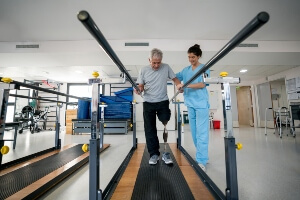
man walking with amputated leg

How Can You Lose a Limb in a Car Crash?

Car crashes can cause traumatic amputations, where a limb is severed from the body during a collision. Crashes could also cause catastrophic damage to one of your limbs. Doctors may need to amputate to prevent infections from spreading from the damaged limb to the rest of your body.

These are some of the injuries that could result in limb amputation after a crash:

Crush Injuries

A crush injury could cause catastrophic damage that results in an amputation. For instance, your arm or leg could get crushed or caught between parts of your vehicle. Prolonged pressure can cause irreparable damage, including severe fractures, lacerations, crush syndrome and the release of toxins that could put great stress on your internal organs, especially your kidneys. Some victims suffer compartment or crush syndrome. Even with treatment, doctors may need to amputate to save patients’ lives.

Severe Fractures

High-impact collisions can shatter bones in such a way they cannot be prepared. If the fractures restrict blood flow to the affected limb or cause significant tissue damage, doctors may need to amputate.

Penetrating Injuries

Sharp objects, such as metal pieces from the vehicle or broken glass, can cause deep lacerations or puncture wounds. These injuries can sever your blood vessels, muscles, nerves and bones, making it nearly impossible to salvage your limb.

Compartment Syndrome

This condition occurs when swelling within an enclosed muscle compartment increases pressure to dangerous levels, cutting off ‌blood flow to your body parts and destroying tissues. If not treated quickly, the affected limb may need to be amputated.

Burns

If there is a fire or explosion, crash victims could suffer severe burns. If you suffer third-degree burns, amputation might be the only viable option to prevent life-threatening infections from spreading to other parts of the body.

Vascular Damage

Severe trauma can damage major blood vessels, leading to loss of circulation in your limb. If vascular repair is not possible or does not restore enough blood flow, amputation may become necessary to prevent gangrene and other complications.

Secondary Infections

In some cases, your initial injuries may lead to severe infection. Amputating the affected limb can be crucial to preventing the spread of infection and saving your life.

What Body Parts Could be Amputated After a Severe Minnesota Car Crash?

Some of the most common car crash amputations include:

  • Leg amputations
  • Arm amputations
  • Elbow disarticulation amputations, which are through the elbow joint instead of the bone
  • Shoulder disarticulation amputations, which are through the shoulder joint
  • Finger and hand amputations
  • Partial hand amputations
  • Wrist disarticulation amputations, which are through the wrist joint
  • Foot and toe amputations
  • Partial foot amputations
  • Transtibial amputations (below the knee)
  • Transfemoral amputations (above the knee)
  • Hip disarticulation amputations, which are through the hip joint

Why do They Amputate Legs After a Car Crash?

Doctors often amputate legs because patients suffered crush injuries. Compression caused catastrophic damage to bones, muscles and nerves and restricted blood flow to the leg for too long.

This could happen in a rear-end car crash or underride truck crash, both of which could cause the driver’s leg to get pinned under the dashboard. The driver could get trapped in the vehicle, leading to prolonged compression.

What are the Potential Complications from an Amputation?

Amputations can cause a variety of serious complications that may affect patients for a long time. For instance, losing a leg or foot could cause a decline in your physical activity. This may raise the possibility of blood clots that could threaten your life.

Other possible complications from an amputation include:

  • Excessive bleeding and loss of blood; victims may need a transfusion to save their lives
  • Post-operative infections that could damage remaining tissues; doctors may need to do surgery to treat the infection and prevent it from spreading
  • Muscle weakness in the remainder of the limb
  • Phantom limb pain, which happens when the victim feels like he or she still has the missing limb; the pain could be constant

How Long do Amputations Take to Heal?

The wound at the amputation site usually heals within a matter of weeks, anywhere from a month to about six weeks. However, the scar on the amputation site could take a year to a year and a half to fully heal.

Doctors typically must wait for the site to fully heal to give the patient a prosthetic. Doctors must also wait to make sure there are not any complications.

How Painful is Losing a Limb?

The physical pain from an amputation is considerable, and it may be chronic. The pain can cause a decline in physical activity, as it may be just as severe as the pain from the original injury. Anyone who has ever dealt with chronic pain knows how debilitating it can be.

If the patient lost a limb, he or she can get a prosthesis, but this means the victim needs to relearn how to do some things. For example, if the patient lost a leg, he or she will need to learn how to walk with a prosthetic. Moving around often takes more time and can be exhausting.

Losing a hand or an arm means the patient is going to need help or to relearn how to write, bathe, cook and handle any number of tasks he or she once took for granted.

Often, physical pain is accompanied by emotional pain. Victims may experience severe post-traumatic stress disorder (PTSD) where they relive the experience of losing the limb.

Chronic pain can lead to depression, stress and trouble sleeping. This greatly reduces quality of life.

Amputations change the victim’s personal appearance, which serves as a constant reminder of the injury and the crash. This can diminish the victim’s self-esteem, making it harder for him or her to engage in the same activities he or she once enjoyed.

The Importance of Expert Witnesses in Amputation Injury Claims

Expert witnesses play a pivotal role in amputation injury claims. Medical experts can provide detailed insights into:

  • The extent of your injuries, such as which body part is amputated and how much.
  • Treatments required, such as rehabilitation or occupational therapy with prosthetics.
  • The long-term impact injuries have on your life, such as the inability to walk and the emotional trauma you experience

How Much Compensation Can You Get for Losing a Limb?

Amputation victims may be eligible for various forms of compensation. Injury compensation is generally divided into two categories:

  • Economic damages: These are quantifiable losses, such as medical expenses, including surgeries, hospital stays, rehabilitation, prosthetic devices and ongoing care are economic damages. Also, you may be eligible for lost wages and loss of earning capacity if you are unable to return to work.
  • Non-economic damages: Pain and suffering, emotional distress, loss of enjoyment of life and loss of consortium are non-economic compensation. For example, if you experience significant emotional trauma and can no longer enjoy activities like attending concerts or social clubs due to your amputation, you may claim compensation for these non-economic losses.

Contact TSR Injury Law Today

If you or a loved one has suffered an amputation injury from a collision, contacting a lawyer is an important step.

Your lawyer can educate you on your legal rights and guide you through the claim process. This includes negotiating with insurance companies and representing you in court if your case goes to trial.

We have recovered over $1 billion for our clients and want to help you seek the compensation you deserve.

Our lawyers are ready to speak to you: (612) TSR-TIME.

Dangers of Penetrating Injuries From Car Crashes in Minneapolis

Penetrating injuries, though less common than other types of injuries, pose serious risks to car crash victims. These types of injuries often result from shattered glass or projectiles from inside or outside of the vehicle.

Did you or a loved one suffer a penetrating injury? TSR Injury Law may be able to help you recover compensation for your damages, including pain and suffering. Our Minneapolis motorcycle accident lawyers has recovered more than $1 billion for our injured clients in Minnesota, and we do not charge any upfront fees.

Call TSR for legal assistance: (612) TSR-TIME.

How a Penetrating Injury Could Happen in a Crash

Penetrating injuries occur when an object pierces the skin, potentially causing significant damage to internal organs and other parts of your body. These injuries are often caused by broken glass or flying debris that enters the car during a crash.

When two cars crash into each other at high speed, the force of impact can cause objects to become projectiles:

  • If the collision happens near a construction site, loose materials or tools might become dangerous projectiles.
  • On a highway or in rural areas, debris like rocks, branches or even parts of vehicles can get thrown around.
  • If one of the cars is carrying cargo, it could spill out of the car, creating more hazards and flying objects.

What Are the Types of Penetrating Injuries?

Penetrating injuries can affect any area of your body, which carries different risks and complications:

Extremity Trauma

Penetrating injuries to the arms and legs can cause extensive damage. If a sharp object, such as a piece of metal, penetrates your arm or leg, you could suffer significant damage to your muscles, nerves, blood vessels and bones.

In some cases, pressure can build up within closed muscle compartments, known as compartment syndrome, leading to further tissue damage and complications.

Chest Trauma

Penetrating trauma to the chest could injure vital organs such as the heart, lungs and major blood vessels.

For instance, in a high-speed car crash, if a piece of broken glass from the windshield pierces your chest, it could cause a collapsed lung, internal bleeding in the chest cavity or even compression of the heart due to accumulated blood. These injuries require immediate medical attention to prevent life-threatening complications.

Neck Trauma

Penetrating trauma to the neck threatens major blood vessels and the spinal cord. Depending on the location and depth of penetration, you could experience difficulty breathing, severe bleeding or even paralysis.

Abdominal Trauma

Your abdomen has essential organs, such as the liver, spleen, kidneys and intestines. If an object penetrates your abdomen, it could cause severe internal bleeding and potential organ failure. Your injury may also result in hemorrhagic shock, where your body loses a significant amount of blood, causing a dangerous drop in blood pressure.

Risks of Penetrating Injuries

Even with prompt medical intervention, victims face a high risk of complications from penetrating injuries, including:

  • Organ Damage: If an object pierces your skin, it could cause catastrophic damage to internal organs, such as your kidneys, spleen, liver or intestines. Damage to these vital organs could lead to life-threatening complications, including organ failure.
  • Infection: Harmful bacteria from a penetrating object or the surrounding area could enter your body. Without quick medical attention, infections can escalate, potentially causing sepsis.
  • Hemorrhage: Another risk you could encounter with penetrating injuries is significant bleeding, especially if the object damages any of your major blood vessels. Uncontrolled bleeding might result in hemorrhagic shock, preventing vital organs from receiving oxygen.
  • Nerve Damage: Depending on where and how severe the injury is, penetrating objects can damage your nerves, leading to loss of feeling, weakness or even paralysis in the injured area. Nerve injuries can have long-term effects on your mobility and function, which may require extensive rehabilitation and medical care.
  • Complications During Surgery: Surgery to treat a penetrating injury exposes you to the risk of additional complications, including infections, excessive bleeding, or damage to nearby tissues or organs.
  • Psychological Trauma: Dealing with a penetrating injury can also take a toll on your mental health. You might experience feelings of anxiety, depression or even PTSD (post-traumatic stress disorder) as you navigate the physical and emotional aftermath of the collision. Coping with these challenges might require ongoing therapy and support.

Including a Penetrating Injury in a Motor Vehicle Crash Claim

If you suffered a penetrating injury in a Minneapolis car crash, you can seek coverage from your personal injury protection coverage. This coverage applies regardless of who is at fault for the crash. This coverage also pays for medical bills and lost income when the injury prevents you from working.

In cases of a penetrating injury, the effects may be so severe that you have the right to seek pain and suffering compensation from the at-fault driver’s insurance policy. In Minnesota, you can file a car crash lawsuit if you meet one of these four requirements:

  • Minimum of $4,000 in medical bills
  • Permanent injury
  • You cannot work for a minimum of 60 days
  • You suffered permanent disfigurement

You can also file a lawsuit on behalf of a loved one who was killed in a Minneapolis collision.

Determining Fault

A car crash lawsuit is outside of the no-fault system. That means you must prove that the other driver is responsible for your damages. Your lawyer must prove negligence, which has four elements:

  • Duty of care
  • Breach of duty of care
  • Causation
  • Damages were suffered

For example, a driver who runs a red light breaches a duty of care. If running a red light caused a collision, the driver could be held responsible for your damages.

However, sometimes, a driver’s negligence is not clear and straightforward. In a crash caused by a lane change, both drivers may share responsibility for the collision. Sudden movements in this type of collision can also make it difficult to prove whether a driver was reckless or attempting to avoid an obstacle. 

Minnesota’s modified comparative negligence law might reduce your compensation if you are found to be partially at fault. For example, if you are determined to be 20 percent responsible for the crash because you were speeding, and the total compensation awarded is $20,000, you would receive $16,000 (80 percent of $20,000).

However, if you were found to be 51 percent or more at fault for the crash, you would not be eligible to receive any compensation under this Minnesota law.

Have You Been Injured in a Crash? Call Our Firm Today

If you or a loved one has suffered a penetrating injury in a car crash due to the actions of a negligent driver, you have the right to seek compensation for your damages. The costs of your medical treatment, lost wages and long-term care can be overwhelming and could create a heavy financial burden for you.

At TSR Injury Law, our experienced legal team understands the challenges of moving forward after a serious injury. We are dedicated to helping victims navigate the complex legal process, advocating for their rights and pursuing the compensation they need to move forward with their lives.

Complete a free case evaluation form or call us at (612) TSR-TIME.

Why You Might Feel Dizzy After a Minnesota Car Crash?

You may experience numerous symptoms after a collision. While it may seem minor, dizziness is sometimes a sign of a more serious underlying injury, so you should report it to a doctor right away.

Injured after a car crash? TSR Injury Law’s Minneapolis car accident lawyers may be able to help you seek compensation for medical costs, pain and suffering and more. For decades, our firm has been assisting crash victims in Minnesota, securing millions for our clients.

There are no upfront fees when you hire our services. Call (612) TSR-TIME.

Why Some Crash Victims Feel Dizzy

Woman trying to keep her balance after feeling dizzy. After a car crash, victims often tend to experience dizziness as a symptom of underlying injuries, including:
Whiplash

During a crash, the sudden back-and-forth movement of your head can cause whiplash, leading to strain neck muscles. This unexpected motion can stretch and tear your neck’s tendons and ligaments. Symptoms of whiplash may include neck pain, stiffness, headaches and dizziness.

Traumatic Brain Injury (TBI)

The sudden impact of a car crash can cause a TBI to occur. For example, if you hit your head during a crash and experience persistent dizziness afterward, it could be a sign of a TBI.  Often, you don’t even need to strike your head to suffer from a TBI.

Inner Ear Injuries

Damage to your inner ear, such as benign paroxysmal positional vertigo (BPPV), can cause dizziness. BPPV occurs when small calcium carbonate crystals become dislodged in the inner ear, leading to episodes of vertigo.

If you are involved in a rollover accident, you might experience persistent dizziness and imbalance. This could be due to damage to the delicate structures of your inner ear, which helps maintain your body’s equilibrium.

Neck Injuries

Injuries to the neck, such as cervical vertigo or cervicogenic dizziness, can result in feelings of dizziness. These conditions occur when damage or strain to your neck muscles and ligaments affects the vestibular system.

If you were involved in a side-impact collision, you may have experienced sudden jerking movements of your head and neck. Neck strains can cause significant discomfort and may require medical intervention to alleviate symptoms and assist in your recovery.

Post-Traumatic Stress Disorder (PTSD)

Emotional trauma from a car crash can manifest as physical symptoms, including dizziness. The heightened anxiety and stress caused by PTSD can trigger feelings of dizziness, lightheadedness and disorientation.

After a high-speed collision, you might find yourself experiencing intense anxiety and intrusive thoughts about the accident. This could be a sign of PTSD. Even if you were not physically harmed, the emotional impact of the accident can be profound and long-lasting.

What You Should Do if You Feel Dizzy Following a Crash

If you feel dizzy after a crash, you can prioritize your health and safety by taking the following steps:

Seek Immediate Medical Attention

If you experience dizziness after a car crash, seek medical attention promptly. Dizziness can be a sign of a serious injury and a healthcare professional can assess your condition and provide appropriate treatment.

Rest and Recovery

Allow yourself time to rest and recover from the crash. Avoid strenuous activities that could exacerbate your symptoms.

Stay Hydrated

Drink plenty of fluids to stay hydrated. Dehydration reduces blood volume and blood flow to the brain, leading to less oxygen supply and impaired brain function.

Avoid Driving

If you are experiencing dizziness, avoid driving until you feel well enough to do so safely. Driving while dizzy impairs your ability to focus, react quickly and maintain control of your vehicle. Under those conditions, you risk another accident or endangering other drivers.

Monitor Symptoms

Keep track of your symptoms and any changes in how you are feeling. If your symptoms worsen or new symptoms develop, you should seek immediate medical attention at a doctor’s office, hospital or other medical facility.

Follow Up with Your Doctor

Dizziness can sometimes be a symptom of more serious conditions, such as a concussion or mini stroke. Hence, why you must attend any follow-up appointments recommended by your healthcare providers and adhere to their treatment plans. Failure to do so could delay your recovery, worsen symptoms or lead to complications that could have been prevented.

Seeking Compensation for the Underlying Injury

Keep detailed records of your symptoms, medical treatments and any expenses incurred because of your dizziness. This documentation helps your lawyer to determine the full value of your claim for compensation.

An experienced lawyer can gather evidence, interview witnesses and analyze the accident’s circumstances. This gives you a better chance of building a solid case for compensation.

There are deadlines for seeking compensation, so you need to contact a lawyer quickly. If you wait, evidence could be lost, which could weaken your claim.

Feeling Dizzy After a Car Crash? Seek Counsel from Our Legal Team

If you are experiencing dizziness following a car crash, and it is being caused by an injury, you should seek legal guidance from an experienced attorney. Our legal team has decades of experience representing car crash victims and can help you understand your rights and options for seeking compensation.

If another driver caused injuries, you have the legal right to seek compensation for the losses related to the car crash. At TSR Injury Law, our experienced attorneys can guide you through every step of the legal journey.

Do not hesitate to reach out to us today. We are here to advocate on your behalf, look out for your best interests and help you recover the compensation you deserve.

Call to schedule your free legal consultation: (612) TSR-TIME.

Filing Claims for Some of the Most Common Minnesota Motorcycle Crashes

Many motorcycle riders, who were injured in a crash, were injured in one of the types of collisions discussed in this week’s blog. The sad part is many of these collisions were caused by negligent drivers who did not look for motorcyclists.

Below, our Minneapolis motorcycle accident lawyers detail these kinds of crashes, why they can be especially dangerous and how riders can seek compensation for the cost of ongoing medical care and other damages.

TSR Injury Law may be able to help you take legal action after a motorcycle crash injury. Call us to learn whether you have a case and what your next steps may be.

We have recovered more than $1 billion dollars in settlements for our clients. Call us at (612) TSR-TIME.

What Are Some of the Most Common Motorcycle Collisions?

These are some of the most common motorcycle collisions caused by the negligence of other drivers:

  • Left and right-turn collisions: Drivers often turn left or right without checking for motorcyclists. This is incredibly dangerous as riders have little to no time to avoid a head-on collision, even though the riders have the right of way. Even though motorcycles are smaller than other vehicles and may be a little harder to see, drivers must keep an eye out for them.
  • Lane-change/sideswipe collisions: Other vehicles’ blind spots can be particularly hazardous for motorcyclists. When a driver in a larger vehicle changes lanes without checking for a motorcyclist, they risk cutting off, clipping or running over the rider.
  • Rear-end collisions: Riders should always be careful when they are stopped at an intersection or stop sign. Negligent drivers could rear-end their bike, throwing them off and potentially causing a serious injury. When you approach an intersection, glance behind you to see if anyone is coming. It is also a good idea to move to the side of the lane rather than waiting in the center of the lane.

While many motorcycle crashes are the result of other drivers’ actions, sometimes motorcyclists engage in dangerous behavior that causes a crash. For example, lane splitting is an illegal practice of riding between lanes of traffic, such as when cars are stopped or stuck in slow moving traffic. Other drivers may not anticipate riders in between the lanes and could easily side swipe them, causing serious harm. It is important to note that lane splitting will be legal in Minnesota starting July 1, 2025.

Riders also need to be careful turning corners. If they take a corner too fast, they risk losing control, especially if they hit a patch of sand or gravel. Taking a turn too fast at an intersection is especially dangerous, as riders could get hit by oncoming cars.

The general rule for turns is to slow down into the turn and speed up coming out of it. Keep a close eye out for debris, especially in the areas of the road where vehicle tires do not often touch as there is usually a buildup of dust and dirt.

Why Are These Collisions So Dangerous?

The main reason why many motorcycle collisions are more dangerous than collisions between other types of motor vehicles is that riders have far less protection.

Unlike cars equipped with solid steel frames, airbags and seatbelts, motorcycles provide minimal protection to riders in the event of a crash. Riders are exposed to direct impact with other vehicles, roadside obstacles, and asphalt or gravel roads.

In addition, motorcyclists are not required under Minnesota law to wear a helmet if they are 18 or older. Not wearing a helmet puts you at a much higher risk of head trauma in the event of a crash.

Riders are also at risk of getting thrown off their bikes. When this occurs at high speed, they hit the pavement with extreme force, commonly resulting in serious injuries.

Seeking Compensation for Injuries From a Motorcycle Collision

Unlike car drivers, motorcycle riders in Minnesota do not have personal injury protection coverage that covers the first $20,000.00 in medical bills and wage loss. Instead, if you get hurt in a motorcycle crash, you can seek injury compensation from the bad driver’s liability insurance, assuming he or she is at fault for the collision. The up-front medical bills would be paid by your health insurance and then collected from the other driver’s insurance.  In addition, if you purchased extra coverage on the motorcycle, you could seek injury compensation from first-party insurance in your own policy.

Riders are often so severely injured in motorcycle crashes they are not going to be able to collect evidence at the scene. Consulting an experienced lawyer right away is a vital step. He or she can gather evidence from the scene, including pictures, witness statements, available video footage of the collision, and more.

We can help you seek compensation for all your medical expenses related to the crash, such as:

  • Emergency room care
  • Diagnostic tests
  • Hospitalization
  • Surgery
  • Physical therapy
  • Prescribed medications
  • Medical equipment
  • In-home health care service
  • And more

You can also seek compensation for pain and suffering you experience after the crash. This refers to the physical and emotional toll you may have as a result of the crash. Some victims suffer from post-traumatic stress disorder and the pain from your injuries can dramatically interfere with many aspects of your life.

Not Sure You Have a Case After a Motorcycle Crash? Speak With a Lawyer at TSR Injury Law

If you have sustained injuries in a motorcycle crash, do not hesitate to seek legal guidance from our experienced team of lawyers. We understand how dangerous these crashes can be and the life-changing injuries that often result.

At a time like this, you need experienced legal guidance from a firm that knows how to obtain favorable results for riders. Our law firm has secured hundreds of millions on behalf of our clients, many of whom were injured in motor vehicle collisions.

If you were injured in a crash and hire our firm, we will be committed to fighting for your rights every step of the way. We pride ourselves on exceptional, award-winning representation, as we know you are counting on us during this difficult time.

Contact our office today to discuss your legal options: (612) TSR-TIME. No upfront fees.

Car Crashes on Rural Roads in Minnesota: How They Happen and Legal Options for Victims

You might think rural roads are safer because there are fewer vehicles, which means a much lower risk of a collision. This sounds reasonable, but car crashes on rural roads are still dangerous. In some rural road situations, there may be a greater risk of severe injuries from a collision.

Below, our Minneapolis car accident lawyers explore the dangers of rural roads, common types of collisions and steps to take following a crash.

If you were injured in a crash on a rural road, or in a more populated area, our team at TSR Injury Law may be able to help you seek compensation for your damages. There is no obligation to hire us to represent you, and we do not charge any fees unless we win your case.

More than $1 billion recovered. Call us today: (612) TSR-TIME.

How Rural Roads Differ from Roads in Urban Areas

Rural roads present unique hazards compared to urban, more densely populated roads. Some of these differences include:

Higher Speed Limits

Fewer stop lights, stop signs and pedestrian crosswalks can mean higher speed limits, ranging from 55 to 65 miles per hour. Unlike rural roads, urban roads typically have speed limits ranging from 25 to 45 miles per hour.

Rural roads often have higher speed limits due to lower population density and fewer intersections. This makes these areas less congested and seemingly safer for driving at higher speeds. However, this can lead to increased risk as drivers often underestimate hazards they could encounter and overestimate their ability to react quickly while speeding.

Design and Conditions

Narrow lanes, sharp bends, limited lighting, and poor road conditions like potholes, minimal road markings, lack of guardrails, and bad weather can reduce traction and visibility. These are all factors that create more challenges while driving and increase your risk of damaging your vehicle or getting into a crash.

Secluded Area

Secluded areas could mean less police presence patrolling the roads, making it a common territory for impaired and reckless driving that may lead to crashes. Drunk and aggressive drivers may commit to negligent action because they believe they are less likely to get caught. Therefore, they are likely to take more risks that endanger themselves and others on the road.

Wildlife

Driving through rural areas could mean there is an increased risk of collisions with animals, especially at night. Their sudden appearance on the roadway can catch drivers off guard – drivers may swerve to avoid hitting an animal, which risks a collision with another vehicle or off-road barriers.

Deer vs. vehicle collisions are common in rural areas and can be incredibly dangerous, not only for vehicles but also the people inside the vehicles.

Types of Collisions Likely to Happen on Rural Roads

The severity of collisions with other drivers on rural roads can easily vary depending on how the vehicles collide with one another. These are the most common collisions on rural roads:

  • Head-on collisions: During a head-on collision, the front ends of two vehicles collide. This can lead to devastating injuries, especially if both vehicles were driving at high speed. In rural areas, head-on collisions often occur when a driver makes an unsafe passing attempt on a two-lane road.
  • Rear-end collisions: Rear-end collision happens when one vehicle crashes into the back of another vehicle, usually due to following too closely or sudden braking. Rear-end collisions often cause injuries such as whiplash.
  • Side-impact collisions: A side-impact collision, also known as a T-bone, occurs when the side of one vehicle is struck by the front of another vehicle. This often happens at intersections or during lane changes, causing severe injuries to car crash victims. T-bone collisions typically occur when a driver disregards a stop sign or signal, due to speeding or distracted driving.
  • Sideswipe collisions: In a sideswipe collision, the side of one vehicle slams into the side of another. Sideswipe collisions are common during merging or lane changes.

What To Do After a Rural Road Collision

After a rural road collision, it is essential that you take the following steps for your health, safety and to seek compensation:

  • Seek immediate medical care: Seek medical help quickly, even for minor injuries. Adrenaline and shock can hide symptoms initially, and delayed injuries like whiplash or internal trauma may appear later. A thorough medical evaluation helps detect and treat these issues early, preventing complications and long-term health problems.
  • Move your vehicle: At the crash scene, use your hazard lights and move your vehicle out of the way of flowing traffic, if possible. This will help minimize traffic backup, reduce the risk of secondary collisions and create a safer entryway for emergency responders to get to the scene.
  • Take photos: Take pictures of the car crash and damage from a safe distance to gather as much evidence as you can.
  • Report to authorities: Call emergency services and give necessary details to the police officer for an accurate A police report documents crash details like road conditions, weather and witness statements. This information is crucial for determining liability and aiding the insurance claims process.
  • Consult a lawyer: Consulting an experienced lawyer helps you navigate legal complexities. An attorney can advise you, gather evidence, and negotiate with insurance companies. Seeking legal counsel early ensures your rights are protected and supports you in pursuing fair compensation for your injuries and damages.

Involved in a Car Crash on a Minnesota Rural Road? Call TSR Injury Law

If you were involved in a car crash on a rural road in Minnesota, TSR Injury Law is here to help. Our experienced attorneys are dedicated to advocating for crash victims and securing the compensation they deserve.

You do not have to deal with the aftermath of a collision alone. Reach out to us for a free initial case evaluation and let us guide you through the legal process. We charge no fees unless we win your case.

Schedule a free legal consultation to learn if you have a case. Call (612) TSR-TIME.

Nerve Damage From a Minneapolis Car Crash: What Collision Victims Should Know

Compression or blunt force trauma during a collision could cause severe damage to nerves, which could cause chronic pain, loss of sensation and other life-altering injuries.

Our Minneapolis car crash lawyers explain the various ways a car crash can cause nerve damage, common signs of nerve damage and whether someone suffering nerve damage can seek compensation.

If you suffered nerve damage from an injury during a car crash in Minneapolis or the surrounding area, our TSR Injury Law legal team may be able to help you recover compensation. Our firm does not charge upfront fees to injured victims and overall we have obtained more than $1 billion for our clients.

Schedule your free consultation today: (612) TSR-TIME.

How a Crash Injury Could Cause Nerve Damage

Motor vehicle collisions are incredibly traumatic for those inside the vehicle. Intense and sudden impacts can cause many types of damage, including nerve injuries.

These are the two most common ways for a crash to cause nerve damage:

Compression

In a car crash where the vehicle gets crumpled by running into a concrete barrier, the driver or passenger could get stuck inside. The intense pressure from an airbag or jammed seat belt could cause nerve damage to your torso, waist or head.

Blunt Force Trauma

The forceful impact of a crash could cause herniated discs, broken bones or dislocations, all of which could press on your nerves. For instance, a fractured vertebra could cause a herniated disc, which can put pressure on nearby nerves.

The trauma of a collision could also cause inflammation of muscles and ligaments. Crashes could even damage the brachial plexus, a network of nerves that goes from the spine into the neck and arm.

In severe car crashes that occur at high speed, some victims may get ejected from the vehicle. This could be serious enough to damage nerves.

Side-impact collisions often occur at intersections and could easily cause your body to whip from one direction to another. This could put a severe strain on your back, causing nerve damage in your spinal cord.

Types of Nerve Injuries From a Collision

These types of nerve damage below could result from a collision:

Neurapraxia

An interruption of blood flow to your nerves or whiplash from a forceful impact could propel your head and neck uncontrollably from one direction to another, resulting in neurapraxia.

Axonotmesis

Blunt force trauma can crush your nerves, sometimes leading to permanent damage.

Neurotmesis

This is laceration of your nerves. Flying debris, such as glass or other sharp objects, blunt force trauma often causes neurotmesis. This condition can lead to a loss of feeling or a restricted range of motion in the affected area where the nerves were damaged.

What Are the Symptoms That May Indicate Nerve Damage?

The following are some symptoms of nerve damage:

  • Lack of sweat during exercise or hot weather: Damage to the nerves between your sweat glands and spinal cord can affect your ability to sweat, even when your body is overheated and needs to cool down.
  • Muscle spasms or weakness: Your motor nerves regulate muscles in your body, such as your arms and legs. Spasms or weakness can be a sign of damage to these nerves.
  • Continuous burning or sharp pain: Your nerves allow you to feel different sensations, including pain. If pain is constant, this could be a sign of nerve damage.
  • Loss of motion, numbness or tingling: Your peripheral nerves connect to the brain, spinal cord and the rest of your body. Damage to these nerves can lead to losing feeling or control of body parts.

Some of the other symptoms may include:

  • Low blood pressure
  • Persistent headaches
  • Shooting pains
  • Neck or head pain that does not go away

If you are experiencing these symptoms, it is critical that you see a doctor. Prompt treatment may help prevent nerve damage from becoming worse or even permanent.

Compensation for Nerve Injuries

A car crash victim suffering from nerve damage may be able to recover compensation to cover the costs of medical treatment and for their noneconomic damages, such as pain and suffering. For instance, compensation could cover the cost of surgery to repair nerves that were crushed or compressed, such as in your spinal cord.

Continuous or long-term medical care may be necessary for treating nerve damage. This may include:

  • Physical therapy is often implemented to rebuild strength and flexibility in the affected area.
  • Pain management includes prescription drugs to relieve pain and inflammation.

The cost of treatment can quickly add up for car crash victims, especially if they are required to go to physical therapy for several months until they recover.

At our firm, we understand how devastating a car crash injury can be, especially when it causes a loss of strength or function. We have the legal knowledge needed to construct a robust case to pursue full compensation. This may include working with medical experts to explain how the crash damaged your nerves and how your injury affects your life.

Suffering Nerve Damage After a Crash? Contact TSR Injury Law for Legal Help

If another driver’s negligence caused your injuries, we may be able to help you seek compensation for your damages. For more than 20 years we have been committed to securing the justice and compensation injury victims need, and we have the results to prove it.

There are no upfront costs to have our firm represent you. The initial legal consultation is free and without any legal obligation.

Schedule a free legal consultation to learn if you have a case. Call (612) TSR-TIME.

Can Minnesota Drivers Be Held Liable for Crashes if They Were Impaired by Prescription Drugs?

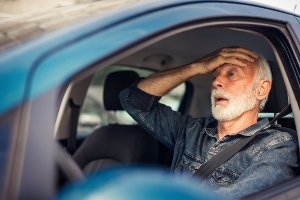
Man in his car with hand on his head.

Most drivers know the dangers of getting behind the wheel after drinking. What about the dangers of taking prescription drugs? Driving while under the influence of a prescription medication can be just as dangerous as driving while under the influence of alcohol or illegal drugs, if not more so.

Our Minneapolis car accident lawyers discuss why it’s unsafe to drive while under the influence of these drugs and whether this could result in criminal charges in Minnesota. We also review liability for a crash when one of the drivers was on prescription medication.

Were you injured in a car crash by an impaired driver? Do you suspect the driver was under the influence of prescription drugs? TSR Injury Law may be able to help you seek compensation for your injuries. There is no obligation to hire our team to represent you. You can speak to one of our lawyers during a free initial consultation.

Call to speak with our legal team and discuss your legal options. (612) TSR-TIME.

What Types of Prescription Drugs Could Impair Drivers?

Although prescription drugs are intended to help people with different type of medical conditions, they can hinder a driver’s judgement, reaction time and concentration.

Here are some common types of prescription medications that might impair drivers’ ability to safely operate a motor vehicle:

  • Opioid Pain Relievers: Medications like oxycodone, hydrocodone, and morphine can cause drowsiness, impaired thinking and decreased reaction times.
  • Benzodiazepines: These drugs are used to treat insomnia and anxiety. Examples include diazepam (Valium), alprazolam (Xanax) and lorazepam (Ativan). These prescriptions could cause dizziness, drowsiness and confusion.
  • Antidepressants: Some antidepressants, especially older tricyclics like amitriptyline and nortriptyline, can result in sedation, dizziness and slower reaction times.
  • Antiepileptic Drugs (AEDs): These are medicines doctors use to control seizures, such as phenobarbital, topiramate and carbamazepine. Antiepileptics can impair cognitive function and motor skills.
  • Antipsychotics: Drugs like chlorpromazine and haloperidol can sedate patients, blur their vision and make them dizzy.
  • Muscle Relaxants: Medications such as cyclobenzaprine (Flexeril) and carisoprodol (Soma) have side effects like drowsiness and dizziness.
  • Antihistamines: These include drugs like Benadryl, which are used to control allergies. However, they can make you drowsy, which impairs your ability to safely operate a motor vehicle.

Drivers should be aware of the potential effects of these medications and discuss their ability to drive safely with their healthcare provider. Sometimes doctors can adjust the dosage and frequency of use of these drugs to avoid side effects that make it unsafe to drive.

Could Impairment From Prescription Drugs Lead to a DWI Charge in Minnesota?

Anyone driving while under the influence of alcohol, illegal drugs or another controlled substance could potentially be charged with driving while impaired (DWI).

According to Minnesota law (169A.20), a driver who is under the influence of alcohol, a controlled substance or an intoxicating substance may face DWI charges. Controlled substances include illegal drugs and prescribed medications.

For instance, drivers could potentially face a DWI charge if they were under the influence of pain relievers, anti-depressants and even sleeping pills.

People who suffer from insomnia may rely on sleeping pills to help them fall and stay asleep at night. Sleeping pills may seem harmless, but they are designed to make you extremely drowsy. The feeling of drowsiness can last up to a day after taking the pill.

Many of these drugs block or suppress certain signals in your nervous system. As a result, your body may become more relaxed, making you feel drowsy or even high. When you are in this state of mind, it can become dangerous for you to do things like drive a car or operate heavy machinery.

Can I Sue a Driver Who Was Impaired by Prescription Drugs?

Yes, you might be able to sue a driver who was impaired by prescription drugs if he or she caused your car crash and injuries. Driving while under the influence of medication is considered negligent, which means that the other party may be held responsible.

The doctor who prescribed the medication could even be held partially liable for the crash if he or she failed to warn the patient of the potentially dangerous side effects. Doctors have a duty of care to inform drivers of any side effects that could occur while they are driving.

However, most car accident cases are resolved through an insurance settlement. Most cases do not end up in court, although our firm is always prepared for that possibility. We have extensive experience negotiating for compensation and securing favorable results in the courtroom.

Benefits of Hiring a Lawyer for a Claim Against an Impaired Driver

You may think securing compensation will be easy if the other driver was impaired, especially if he or she was criminally charged. However, obtaining full compensation can be quite difficult without the help of a seasoned attorney who has a history of results.

Here are some of the ways our attorneys can help you with the legal process:

Conduct a Thorough Investigation

Your lawyer can take the necessary steps to find out what medication the other driver was taking and if it may have contributed to the crash.

Collect Enough Evidence

A lawyer can review the accident report, identify and interview witnesses, and recover photos, videos and other evidence to support your claim.

Handle All Settlement Negotiations

If you decide to manage your case on your own, you will need to deal with the insurance company. This is risky because insurers are trained to manipulate crash victims. They also take claims less seriously when victims are not represented by attorneys.

If you hire a lawyer, he or she can handle this, possibly increasing your chances of securing full compensation. This frees you from having to figure out how to counter the insurance company’s arguments or attempts to lowball your claim.

Injured by an Impaired Driver? Contact TSR Injury Law Today

You do not have to go through the insurance claim process alone. Not only can it be time-consuming, but it can also be very frustrating and difficult to prove your claim with a defendant’s insurance company that will do everything possible to shift blame onto you.

At TSR Injury Law, we have advocated for injury victims and their families for nearly three decades. We want to help you get through this difficult time. We charge no fees unless we win your case.

Call to schedule your free legal consultation: (612) TSR-TIME.

How a Dirty Windshield Increases the Risk of a Collision on Minnesota Roads

Dirt, snow, dust or other debris stuck on your windshield can reduce your visibility on the road and increase your risk of a collision, putting you and other drivers in danger.

TSR Injury Law explains what drivers should know about the risks of driving with a dirty windshield and the traffic laws on windshield obstructions.

If you were injured by another driver’s negligence in Minnesota, our Minneapolis auto accident lawyers may be able to help you recover compensation. We charge no fees unless we win your case, and your initial consultation is free.

Call for legal assistance today: (612) TSR-TIME.

Is There a Law About Driving With a Dirty Windshield in Minnesota?

While Minnesota traffic laws do not specifically mention dirty windshields, statute 169.71 says you are prohibited from driving any motor vehicle with a windshield so discolored it obstructs vision.

The same statute says every vehicle must be equipped with a device to clean moisture, including rain or snow, from the windshield. This device must be controlled by the driver of the vehicle.

If you were injured in a crash caused by another driver, and your lawyer can establish the driver violated one or both laws, he or she may be held liable for damages.

Why Windshields Get Dirty

Here are some of the main reasons why windshields become dirty or cluttered, impairing drivers’ vision:

The Environment

There are a lot of things in the air that could fall onto your windshield, such as pollen or bird droppings. Airborne dust could also land on your windshield, especially in dry weather. You may have a hard time clearing things from your windshield if you do not do so quickly. A significant amount of buildup over time can obscure drivers’ visibility.

Airborne particles are especially likely to stick to your windshield in urban areas, as there is a lot of air pollution.

Pollen and bird droppings are also likely to stick to your windshield if you regularly park your car by trees or bushes.

Insects

If you’ve ever been on a long road trip, you know driving at high speed for long periods can result in a lot of bugs hitting your windshield. You may also realize using your wipers to clear away the dead bugs can make things worse, smearing them across the glass.

Bad Weather

Streaks on windshields make it much harder to see everything in front of you. Streaks are often the result of a buildup of ice, snow or rain. These weather phenomena can also combine with dirt, particularly when you have old wiper blades. These weather conditions can also make the windshield blurry, making it difficult for drivers to see.

Grime From the Road

Things like mud or dirt can fly up into the air and onto your windshield because of other vehicles. This may be much more likely to occur after heavy rain or snowstorms. Driving through rural areas with muddy or gravel roads can also make it easy for mud and dirt to appear on the windshield.

Like dust or pollen, you may have a hard time removing them from your windshield, especially if they stay on the surface for a prolonged amount of time.

How a Dirty Windshield Could Cause a Collision

Driving with dirty windows or windshields puts drivers at unnecessary risk. These are some of the factors than can increase the likelihood of a crash:

Impaired Vision

Dirty windshields are extremely hazardous in bad weather, such as heavy rain, snow or fog. It can be difficult to see through these weather conditions and a dirty windshield will only further reduce your visibility.

Dirty windows can make it difficult to spot pedestrians, cyclists or other vehicles in your vicinity, increasing the likelihood of a crash.

You may need to squint often to make out what is ahead of you as headlights and streetlights can create significant glare, especially at night in rainy conditions. This can be incredibly dangerous when trying to make turns, especially left turns.

Glare and Reflections

Dirty windows create glare and unwanted reflections. When the sun or oncoming headlights hit a dirty windshield, it can be blinding, especially at night.

Worn/Inoperable Wipers

Although windshield wipers are essential for helping drivers see more clearly during bad weather conditions, such as rain or snow, they can also reduce visibility.

Using wipers on a dirty windshield could smear dirt over the glass, reducing visibility even more. Cleaning your windshield with a microfiber cloth and glass cleaner, or simply soap and water, can help remove residue.

Reduced Reaction Time

Dirty windows can delay your ability to perceive and respond to unexpected dangers. Quick reaction times are needed in hazardous situations – sometimes reacting a second or even a split second sooner can prevent a collision that results in serious injuries.

How to Keep Your Windshield Clean

These are some of the steps you can take to keep your windshield clean:

  • Clean your windshield on a regular basis: Make sure to use a quality glass cleaning product and a microfiber cloth. You should clean the inside and outside of your windshield. Cleaning the windshield is particularly important if you are regularly in areas with a lot of pollen and/or heavy traffic.
  • Replace wiper blades when they stop working as they should: It is usually best to replace windshield wiper blades once a year, and sometimes every half year. The clear sign your wipers are too old is when you flip them on, and they create streaks on the glass.
  • Fill up your windshield wiper fluid when it starts running low: This is something you can check every couple of months. Make sure you fill the reservoir up with the right cleaning solution. You will need to use a different solution in the wintertime – colder weather calls for a fluid with antifreeze. Another factor to consider is if the windshield washer nozzles are clogged. Check these when replenishing your wiper fluid.
  • Keep your vehicle covered: If you are able, park in a garage or under cover whenever possible. If your area does not have a garage, you may want to purchase a car cover. Covering your vehicle is one way to protect it from the elements, such as leaves, dirt or pollen.

Injured in a Minneapolis Collision? Contact TSR Injury Law for Legal Assistance

If you were injured in a collision caused by a negligent driver, you will have many decisions to make. One of the most important is the lawyer you choose to represent you.

You need an experienced law firm that has a proven history of helping crash victims obtain the compensation they needed for medical care and other damages. TSR Injury Law has been taking on these cases since 1998 and we have obtained more than $1 billion on behalf of our clients.

After a crash, TSR Injury Law is ready to assist you. Our lawyers operate on a contingency fee basis, so there are no costs up front.

Call us today to schedule your free consultation: (612) TSR-TIME.

Liability if a Car Crashes Into a Building in Minnesota

When a car loses control and crashes into a building, the injuries and property damage can be devastating. While the vehicle occupants could be severely injured, those inside the building are also at risk of severe injuries.

Below, TSR Injury Law’s Minneapolis car crash lawyers explain common causes of these types of crashes and who may be held liable. Although drivers are typically the only liable party, property owners and other entities may bear fault.

If you were injured in a car crash, you have the right to pursue compensation for your injuries. Our legal team is here to support you during this challenging time and help you recover the compensation you deserve. Since 1998, our attorneys have advocated for injury victims and their families throughout Minnesota, recovering millions on their behalf.

Call to schedule your free legal consultation: (612) TSR-TIME.

Why Do Cars Crash Into Buildings?

There are numerous reasons why cars crash into buildings. These are some of the most common causes:

Driver Error

This is probably the number one reason why drivers crash into buildings, like convenience stores or grocery stores. Oftentimes, a driver will confuse his or her gas pedal for the brakes while backing out of or pulling into a parking spot.

While any driver could make this type of mistake, elderly or new drivers may be more likely to hit the gas instead of the accelerator.

Reckless Driving

We have all seen drivers who speed through parking lots or residential areas. Speeding increases the risk of losing control of your vehicle, especially when hazardous situations arise. For example, a speeding driver will have less time to avoid a car that starts backing out of a nearby space or a pedestrian that wanders into the speeding driver’s path, which may lead them to swerve into a nearby building.

Driving under the influence of alcohol, illegal drugs, or certain prescribed medications is also a common reason a driver crashes his or her vehicle into a building. Alcohol and other drugs can slow your reaction time and impair your judgment, making you more likely to engage in reckless behavior.

Another Crash or Hazard

There are times when someone crashes into a building after trying to avoid a hazard, such as an animal darting across the street.

Sometimes a collision with a building occurs as result of another crash. For instance, a collision with another vehicle could send one or both vehicles off the road and into a building.

Mechanical Error or Breakdown

If a vehicle’s brakes fail or the car accelerates without the driver hitting the gas, the driver could lose control. Tire blowouts are another common reason why drivers lose control.

When Could a Driver Be Held Liable?

In most cases, the driver of the vehicle that slams into a building is held liable. He or she is the one who had the best opportunity to prevent a collision. After all, these crashes are often the result of driver negligence, such as:

Those injured by the crash (other drivers, pedestrians who were inside or outside of the building, etc.) may be able to pursue a liability claim against the at-fault driver’s insurance policy. Drivers and pedestrians who were injured can also seek compensation from the personal injury protection (PIP) coverage in their own auto insurance.

What if the Driver Does Not Own the Vehicle?

If the driver borrowed the vehicle from someone, the owner of the vehicle may share some liability for the damages caused by the crash, even if the vehicle was taken without permission.

If the driver stole the vehicle, the owner could still be held partially liable if his or her negligent actions resulted in the theft. For example, if the owner of the vehicle left the car running to stop inside a convenience store, this may be considered a negligent action. Leaving the car running gives thieves more than enough time to steal a vehicle.

Other Parties That Might Bear Fault

Sometimes, there are other parties besides drivers who bear some amount of fault for a collision with a building, such as:

The Property or Business Owner

If there were conditions an owner neglected to address that may have resulted in a vehicle crashing into his or her building, the owner may be held liable for a portion of damages.

The Vehicle Manufacturer

If vehicle malfunctions or defects contributed to the collision, such as failing brakes, the manufacturer of the vehicle or a component could be held liable.

However, if the driver was aware of a recalled part that ended up contributing to the crash and did not get the recall repair, the driver may still be at fault.

What if You Are in a Building When a Car Crashes Into It?

If this ever happens, it is important to get out of the building as soon as possible. There is no way to know the severity of the structural damage in the moments after the crash. You do not want to be inside if parts of the building come crashing down or cave in.

If you were injured, seek immediate medical attention. After you receive the treatment you need, consider calling an experienced lawyer to discuss your situation. You may be able to seek compensation and a lawyer can help you explore possible legal options.

At TSR Injury Law, we have been helping injured victims for many years, and are prepared to advocate for your rights. Our services are provided at no upfront cost to you.

Call for legal assistance. Your case review is completely free. Phone: (612) TSR-TIME.

How an Attorney Can Preserve Witness Testimony After a Crash in Minneapolis

Eyewitness testimony is just one type of evidence you can use to support a car crash claim, and it can be quite persuasive. Especially if the witness’s statements align with your account of the incident.

Considering how helpful this testimony could be, it is vital that you take steps to preserve it, as memories fade over time. In this article, we discuss the steps an attorney can take to preserve eyewitness testimony after a Minneapolis car crash.

If you were injured in a crash in Minnesota, we may be able to help you. Our licensed Minneapolis car accident lawyers have recovered millions for crash victims. In all, our firm has secured more than $1 billion for injury victims throughout the state.

We charge no upfront fees, and an initial legal consultation is free.

Complete a free case evaluation form or call us at (612) TSR-TIME.

How Witnesses Can Help Your Car Crash Claim

A witness may be able to back up an injury victim’s claim that another party was responsible for the car crash.

For example, maybe a witness saw the other driver staring at his or her smartphone in the moments before the collision. Witnesses might see the at-fault driver run through a red light, start making a turn when oncoming traffic is too close or follow the victim’s car too closely.

In cases where the victim suffers memory loss or is otherwise physically or medically unable to tell his or her side of the story, a witness can help explain what happened before and during the crash.

Car crash cases could be thought of as a competition between two drivers’ accounts of what happened. Witness testimony could help “break the tie” so to speak, especially if the witness has no connection to either party in the case, as this bolsters the witness’s credibility.

You also do not want a witness who has a documented history of lying or illegal activity, as this can call everything he or she says into question.

Witnesses can be particularly important if a case goes to court, as some witnesses may connect with the jury. This could make the jury more likely to rule in the victim’s favor.

It is important to note there are many pieces of evidence that may prove a car crash case. Lawyers often need multiple pieces of evidence. However, credible witness testimony that supports other evidence can be particularly powerful.

Definition of Preserving Witness Testimony

Preserving witness testimony could be defined as documenting the witness’s statements about the collision before he or she forgets. It is easy to forget details about a collision. In fact, it can happen rather quickly. In a matter of hours or days, witnesses might not recall vital details.

A witness also might not be available for the trial date. Preserving his or her testimony gives you the chance to present these statements later.

Examples of preserving witness testimony may include:

  • Documenting the witness’s statements in the police report at the scene of the crash
  • Recording the statement with a smartphone or other device
  • Writing or typing the statement and having the witness sign it to make it official

What Can Crash Victims Do To Preserve Testimony?

It is generally best to allow your lawyer to obtain statements from witnesses. Your lawyer will know what questions to ask and how to properly document the witness’s account, such as:

  • What were the traffic conditions?
  • What was the weather?
  • Did you see anything unusual about the other driver?
  • Where were you when the crash occurred? What was your vantage point?

If you are able, we strongly suggest asking for witness contact information at the scene. You can then provide this information to your lawyer, so he or she can contact the witness.

Make sure to tell the police to talk to witnesses when they arrive at the scene. They can document witness statements in the police report.

What Steps Can Your Lawyer Take to Preserve Witness Testimony?

Your lawyer could ask the witness to provide a sworn statement. This means the witness would record or write out what he or she saw while under oath. The witness would sign the statement with a notary public in the room. The statement then becomes a legal document that can be sent to the court and put on record.

It is important to ask for a sworn statement as soon after the crash as possible. Otherwise, the witness could forget things that may help the victim’s case.

Your lawyer could also request a faster discovery if the witness is not available for trial, such as for health reasons. If the judge approves this request, your lawyer can have the witness do a deposition.

What is Discovery?

Discovery is a pre-trial process of exchanging evidence. This allows both sides to prepare for what will be presented at trial.

One aspect of discovery is getting depositions from witnesses. A deposition is an out-of-court statement, given under oath, by someone involved in the case.

A deposition can help your case in a couple ways:

  • It may be used if a witness cannot appear at trial because they are physically unable to appear, out of the country or have safety concerns.
  • Your lawyer can compare a deposition to in-court testimony to find any discrepancies that might call the witness’s statements into question.

Need Legal Help After a Crash? Contact TSR Injury Law to Discuss Your Case

Contact TSR Injury Law today to discuss your situation and learn how we may be able to help you gather the evidence you need for your case. We are committed to helping our clients secure the compensation they need to put their life back together.

Our lawyers operate on a contingency fee basis, so there are no upfront costs or legal obligations. Your initial legal consultation is also provided free of charge.

More than $1 billion recovered for injury victims. Call us at: (612) TSR-TIME.