Seeking Compensation After Suffering Internal Organ Damage in a Car Crash

dialysis machine in hospitalThe body experiences a significant amount of trauma during a collision.
For example, you could suffer internal injuries that could be life-threatening. Your organs could get so significantly damaged that they shut down. You could bleed internally, such as in the brain. One of your lungs could get punctured, making it difficult for you to breathe.

Below, we discuss internal organ damage and other internal injuries that may occur in a crash. If you suffered internal damage in a crash, the first thing you need to do is seek treatment.

Finding an experienced Bloomington auto accident lawyer to help you sort through your legal options is also an important step. Even though your injuries are clearly serious, the insurance company is still going to downplay them. They may try to deny or underpay your claim. You need someone with vast experience in car crash cases to help build a strong case and aggressively pursue full compensation.

TSR Injury Law is ready to help. Call us today to learn more: (612) TSR-TIME.

Internal Injuries That Often Occur in Car Crashes

Internal injuries can be life-threatening. That is why it is important to seek medical treatment as soon as possible. There are treatment options for these injuries, but if you wait too long, the injury could get much worse.

Damage to the Liver

Sometimes the liver gets torn open during a car crash, resulting in internal bleeding. This needs to be dealt with quickly to prevent a life-threatening situation.

Damage to the Kidneys

Your kidneys could also suffer damage in a crash if your lower back gets hit hard enough. Sometimes kidney damage results in internal bleeding, other times victims may need a kidney transplant. If a transplant is unavailable, the victim is going to need to go on dialysis.

Traumatic Brain Injuries

Whether you hit your head on something or not, you could suffer a brain injury in a car crash. For example, you could suffer a concussion if your head gets thrown forward. Your brain hits the inside of your skull similar to shaken baby syndrome.

A brain injury could result in bruising or even bleeding. If bleeding is severe enough, victims may need surgery to relieve the pressure and prevent a life-threatening situation.

Broken Ribs

A blow to the chest during a collision could cause your ribs to fracture. These injuries make it hard to breathe and limit your mobility. One of the things to watch for with these injuries is damage to surrounding tissues or organs. If this happens, surgery may be necessary to repair the damage.

If surgery is not necessary, it may take weeks or months to fully recover from these injuries.

Lung Puncture

A fracture to your ribs could result in a punctured lung, affecting your breathing. Air can flood your abdominal cavity, which can be life-threatening if not treated right away. A lung puncture is also called pneumothorax.

Rupture to the Spleen

If your spleen gets ruptured, you may suffer extensive internal bleeding. Immediate treatment of this injury is essential.

Rupture of the Abdominal Aorta

The abdominal aorta can get ruptured if the stomach gets crushed in a car crash. If this happens, the result is more than likely fatal.

Symptoms of Internal Injuries

There are some common symptoms of an internal injury, such as internal bleeding. These symptoms include:

  • Pain in the stomach
  • Fatigue
  • Pale complexion
  • Feeling lightheaded
  • Feeling thirsty
  • Blood in your urine or stool
  • Dark purple skin on your abdomen
  • Feeling nauseous
  • Rapid heart rate
  • Weakness
  • Other signs of shock that may indicate an internal injury

Treatment Options for Internal Injuries

In extreme cases, an organ transplant may be the only option for an internal organ injury. Sometimes doctors need to do surgery to repair internal bleeding. Once this is done, the victim is likely to recover, unless there were complications during the procedure, such as an infection or damage to surrounding tissues. There also may be problems with the victim’s body not accepting an organ transplant.

If you have symptoms that may indicate an internal injury, you need to get treatment right away. If you wait, you could be putting your life at risk.

Compensation for Internal Injuries

If you suffered an internal injury in a crash caused by a negligent driver, you may be eligible to obtain compensation for the damages you suffered.

Cost of Medical Treatment

This includes the cost of treating and stabilizing your injuries. It also includes the cost of ongoing treatment. For example, you may need treatment after an organ transplant to make sure your body is adjusting properly.

Lost Wages

You may be unable to work while recovering from an internal injury. Our attorneys are prepared to pursue all lost wages.

If your injury hurts your ability to work long-term, we may also be able to pursue loss of earning capacity.

Pain and Suffering

The physical pain from an internal injury can be significant. There may also be a psychological component as victims may struggle to get sleep and become depressed or anxious.

Call TSR Injury Law to Discuss Your Car Crash Claim

Have you been injured in a collision with another vehicle?

We are ready to help you seek full compensation for all your medical treatment, lost wages, property damage and other damages you may have suffered.

At TSR Injury Law, there are no upfront fees with our services. We do not get paid unless you get paid. The initial legal consultation is free of charge.

Have legal questions? Call (612) TSR-TIME. We are here to help.

Can an At-Fault Driver Avoid Liability By Claiming Brake Failure?

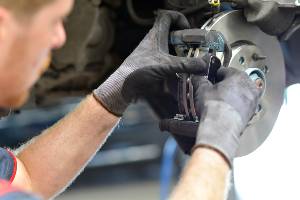
auto mechanic assembling brakesYour brakes are one of the most important parts of your car. If they fail to stop your vehicle or do not work properly, a dangerous collision will result.
That said, drivers cannot typically blame a crash on failing brakes. The reason for this is that brakes rarely fail without exhibiting some type of warning signs. This means the driver of a vehicle with brake failure would probably have known his or her brakes needed maintenance, repair or replacement long before they actually “fail”.

If the driver who caused a crash knew there were problems with his or her brakes, he or she is liable for damages. For instance, a driver may have known his or her brakes needed maintenance because they made unusual noises when trying to stop. Another example might be is if the driver received a vehicle recall for a brake issue or a mechanic told the driver the brakes needed to be serviced.

Below, we discuss liability for a crash caused by failing brakes. At TSR Injury Law, our Minneapolis car crash lawyers offer a free legal consultation and there is no obligation to hire our firm after meeting with us. There are also no upfront fees for our services.

Schedule your free consultation today by calling (612) TSR-TIME.

Why Brake Failure Happens

The brakes in your vehicle will not last forever. The age of your brakes combined with how you use them can cause components to wear down and become less effective. That is why your brakes should be regularly checked and serviced according to your vehicle maintenance schedule.

There are times, however, your brakes might wear down sooner than expected. Drivers may find out about this in a number of ways. In newer cars, your vehicle may have a warning light for your brakes. If that light comes on, you should be sure to get your car to a mechanic as soon as possible.

Drivers also need to take notice of any strange or unusual noises that sound when they apply their brakes. For example, screeching, squealing, grinding or squeaking noises could indicate worn brake pads or shoes. If your brakes feel a little too loose or spongy, it could also be a sign of wear and tear.

Another sign of possible brake trouble may be if you see a trail of yellowish-to-brown-colored leaks coming from the underside of your vehicle. These should always be investigated right away. It is possible the leak is brake fluid, which could impair the proper functioning of your brakes and make a crash much more likely.

In addition to unusual sounds or leaking brake fluid, other signs of malfunctioning brakes could include:

  • A burning smell
  • Your vehicle moving to one side when you hit the brakes
  • Your steering wheel shakes or roughly vibrates when brakes are applied

However, even if you get your brakes serviced, it will not matter if the mechanics do poor work. That is why it is important to only allow qualified mechanics to work on your vehicle. Some people only allow the dealership to work on their vehicles, while others may use certified mechanics to do any maintenance or repairs.

Sometimes the brakes installed on a vehicle might have been made with defective or low-quality parts. They may also have been poorly designed. If known, these defective parts may result in a recall of brake components.

Brake Failure in Commercial Trucks

While brake failure creates a crash risk no matter the size of the vehicle, it is particularly dangerous with commercial trucks. These vehicles are large and heavy, so if they cannot slow down or stop when needed, the results can be catastrophic for any passenger vehicles in their path.

Commercial truck brakes can get worn out from overuse or improper use. For example, drivers need to be careful about the overuse of brakes on inclines or when going downhill.

Truck brakes may also be much less effective if the trailer on a commercial truck is overloaded. The extra weight can make it harder for the truck to stop.

Believe it or not, commercial truck brakes may also be less effective when the truck is not carrying any cargo or when it has no trailer. The reason for this is that the brakes of a large commercial vehicle are designed and calibrated to stop a fully loaded trailer. An empty truck also has less traction than one that is fully loaded. This means it takes more time and a longer stopping distance for an empty truck to stop than for one that is fully loaded. Additionally, a truck driver operating an empty vehicle could lose control if he or she slams on the brakes too hard or too quickly.

Liability in a Brake Failure Crash

One of the central questions in a brake failure crash is whether the driver of the vehicle with failing brakes knew there was a problem. If the driver knew or should have known, then he or she cannot use failing brakes as an excuse to avoid liability for the collision. If the driver did not know or could not have known, he or she may not be fully liable for damages from the crash.

Other parties that may bear liability for a collision due to brake failure may include:

  • Vehicle or vehicle parts manufacturers, such as if a part was defective
  • Commercial truck drivers
  • Commercial truck companies
  • Cargo-loading companies
  • Mechanics or auto repair shops for doing poor work or not repairing worn brakes

Even if the driver or another liable party knew or should have known about problems with the brakes, the victim and his or her attorney will still need to prove it. For example, your lawyer may be able to obtain maintenance records or information about an open recall. An analysis of the vehicle by an accident reconstruction expert may also show that issues with the brakes were preexisting.

Injured in a Minnesota Car Crash? Call Today

Our attorneys have been assisting crash victims for many years. We know this is a difficult time and we are committed to taking on the insurance company on your behalf. We know how important it is to obtain full compensation for damages from a car crash.

TSR Injury Law. No upfront fees. Call: (612) TSR-TIME.

Who May Be at Fault for Causing a Sideswipe Crash in Minnesota?

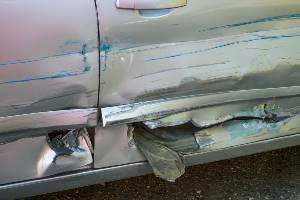
car that was in a sideswipe collisionWhen drivers are not careful changing lanes, it can result in a sideswipe crash. While some of these crashes may only cause minor damage to the vehicles, some are more serious. For example, if a sideswipe collision occurs in heavy traffic or on a wet road, it could involve multiple vehicles.

If you were injured in a sideswipe crash, call TSR Injury Law to discuss potential legal options. We are prepared to pursue full compensation for your damages at no upfront cost to you. We have secured more than $1 billion in compensation on behalf of our clients, many of whom were injured in motor vehicle collisions.

Below, our car crash lawyers in Bloomington discuss sideswipe crashes in more detail, including why they often happen, who could be liable, and steps victims can take after a sideswipe collision.

What are Sideswipe Crashes?

A sideswipe is a crash involving two vehicles that are traveling in the same direction. Often, one driver fails to stay in his or her lane, and the side of that driver’s vehicle collides with or swipes another vehicle.

The danger of sideswipe crashes is that they are often unexpected. This could result in the victim of the crash losing control of his or her vehicle, potentially crashing into other cars or fixed objects. The faster the involved vehicles are traveling, the more likely one or both drivers could lose control, which also increases the likelihood of other cars being involved in the collision.

Common Reasons Why Sideswipe Crashes Occur

There are many reasons why one vehicle may drift out of a lane and sideswipe another vehicle. Drivers might:

  • Take their eyes off the road
  • Get distracted by their smartphone or something else
  • Fail to use their turn signal to indicate their intention to change lanes
  • Be impaired by alcohol or drugs
  • Behave recklessly while merging

Failing to use a turn signal could cause a driver to pull up next to another car while the driver of that other car begins to change lanes. For example, say you are about to pass a car in the lane to your right. If you were to see that car’s left turn signal blinking, you would likely slow down because you would expect the driver to change lanes. However, if the driver does not put on his or her turn signal, you may continue traveling at the same speed. As you pull up next to the car, the driver may begin to change lanes and collide with the right side of your vehicle.

Alcohol or drugs can make it harder for people to control their fine motor skills. They may not be able to hold the wheel steady. Impaired drivers may also not be seeing clearly, which can make it harder to stay in a lane.

Evaluating Fault for a Sideswipe Collision

Liability for a sideswipe crash comes down to which driver had the right of way. The driver who failed to stay in his or her lane is likely going to be held liable for damages.

If the crash occurs while two vehicles are merging, however, fault could be more complex. Sometimes one driver should have slowed down and merged behind the vehicle he or she collided with (often called the zipper method of merging). In other situations, it could be that one car was trying to merge and another driver was speeding, which resulted in a sideswipe collision. In these situations, fault for the crash might be shared between both drivers.

If one driver was impaired and his or her car drifted out of a lane as a result, he or she is likely to be found at fault.

The insurance company may try to argue the victim was speeding or that he or she should have been able to slow down or change lanes to avoid a collision. If you were approaching another vehicle and its turn signal was blinking, it may have been reasonable to expect you to slow down. If you were speeding, you might be found partially at fault for the collision.

However, insurance companies constantly claim victims are at fault when that is not the case. It is important not to take the insurance company’s word about your role in the crash. It is better to discuss the situation with a licensed attorney.

Evidence for a Sideswipe Crash Claim

There are various pieces of evidence that may help prove fault for a sideswipe collision. For instance, you could include video footage of the crash, pictures of the damage to both vehicles and also the police report.

Credible witnesses may also help to strengthen your claim, especially if they observed one driver drift out of his or her lane. It is not a good idea to solely count on video footage. It would only be available if there was a security camera in the area or if one of the involved drivers had a dashboard camera.

The police report may indicate which driver is likely at fault for the collision. Police officers respond to a lot of crashes, and they may be able to get a good idea about fault by looking at the damage to both vehicles and talking to both drivers. Unfortunately, police reports will often simply reflect what each driver claimed at the crash scene.  “Driver 1 said driver 2 hit him.  Driver 2 says driver 1 hit her.”

What Should You Do After a Sideswipe Crash?

If you get into a sideswipe crash, you should contact the police immediately so they can investigate If it is safe to do so, you can get out of your car and exchange information with the other driver. If there are witnesses, be sure to get their contact information so the police officer can understand what really happened and your lawyer can contact them in the future. It is also useful to take pictures of the damaged vehicles and your injuries, but only if you can do so without putting yourself or others in harm’s way. Get immediate medical treatment for your injuries and contact a lawyer to discuss your options for seeking compensation.

It is important to remember your injuries could be more severe than you realize. You need to recover compensation for all your damages, and it is difficult to do that without an attorney’s help. Research has consistently shown that injured victims who hire attorneys often recover more compensation than those who do not.

Contact TSR Injury Law to Discuss Legal Options

If you were injured in a crash and suffered damages, we are prepared to help you recover the compensation you need for your damages. We know that no amount of money can erase what happened, but we also know it can be an important part of helping you move forward.

Insurance companies are looking for any way to deny or undervalue your claim. Our firm has a history of proven results, and we are prepared to seek maximum compensation on your behalf.

Give us a call today to learn more about our services. We do not charge any upfront fees and the initial consultation is free.

Contact TSR Injury Law today: (612) TSR-TIME.

Can Drivers be Held Liable for Failing to Prepare Their Cars for Winter Driving?

removing ice from windshieldWinter can be a dangerous time to drive, as you can encounter snowy or icy conditions that make it harder to avoid a collision.
Drivers involved in winter car crashes may say there was nothing that they could do to avoid a crash. This might not always be true, though. Their negligence may have contributed to the crash. For example, they may have been speeding or violating the other driver’s right of way with snow or ice just making it worse.

In some cases, the at-fault driver’s car was not prepared for winter weather. For example, if the at-fault driver was driving on underinflated tires or had old windshield wipers. If you get injured in a crash during the wintertime and are unsure about your legal options, give us a call. The initial legal consultation with a Bloomington-based auto accident lawyer is free and comes with no obligation to hire our firm. We also charge no upfront fees.

TSR Injury Law. Call today: (612) TSR-TIME.

Preparing Cars for Winter Driving

Driving during the winter can be dangerous for many reasons. For example, your tires could lose traction on an icy roadway, causing you to lose control and crash into another vehicle or a fixed object.

That is why drivers need to make sure their vehicles are prepared before they go out on the road. Some of the vehicle components they need to check include the following:

Tires

Drivers need to make sure their tires are fully inflated. Underinflated tires can make it harder to control a vehicle. If your tires remain underinflated for too long, it could reduce their lifespan.

Overinflated tires are at higher risk for a blowout. This can be incredibly dangerous no matter what time of year. A tire blowout on a snowy or icy road could be even more dangerous.

You can inflate your tires yourself or take your car to a qualified mechanic to do it for you. If you go to a mechanic who regularly works on your car, he or she may inflate your tires for free. A mechanic can also inspect the treads on your tires to ensure they are not too worn down.

If you regularly encounter heavy snow or slippery roads, you should switch to snow tires.

Windshield Wipers

Another reasonable step drivers can take to prepare their cars for winter is making sure their windshield wipers are not too worn down. Old windshield wipers will not clear away snow or rain effectively, impairing visibility. This could make a crash much more likely to occur.

You can buy new windshield wipers or buy a set of winter windshield wiper blades. These are designed to clear away snow and prevent snow or ice from getting stuck on the blade.

Headlights and Taillights

Drivers need to make sure their headlights and taillights work. If your headlights do not work, or they do not work as well as they should, your visibility may be impaired. Ensuring the bulbs work and cleaning the lenses is also important.

Engine Oil

The oil in your engine loses viscosity in colder temperatures. This means your engine might not be properly lubricated. This could lead to a breakdown. This could happen at the wrong time, such as while your car is in motion which could cause a crash

You could switch to a winter-grade oil to help your engine continue to function at a high level.

Removing Snow or Ice From Your Vehicle

Drivers need to remove snow and ice from their vehicles before driving. Otherwise, snow or ice could fall off and cause another driver to get into a crash. Sometimes the crash that occurs only involves one vehicle. For example, ice may cause another driver to veer off the road and hit a tree or road sign. That said, another driver would still be liable for damages from the crash.

Building a Case for Poor Vehicle Maintenance

Drivers could be held liable for a crash that resulted from poor maintenance of their vehicle. Your lawyer needs to prove the crash was avoidable had the at-fault driver done a better job of maintaining his or her vehicle.

Your lawyer needs to thoroughly investigate the crash to determine what happened and work backward from that. For example, if the victim was rear-ended, your attorney must figure out what happened. Often the rear driver in a rear-end crash was distracted, speeding or following the lead vehicle too closely.

However, sometimes a rear-end crash is due to old tires that could not gain enough traction on the road. This may be more likely to happen in the winter because of ice or snow on the road, or because tires were old or underinflated. One way to think about it is the weather combined with the driver’s negligence is the reason for the crash. However, the weather cannot be held liable for a crash.

Pictures of the at-fault driver’s tires may be enough to show they were old and should have been replaced. For example, pictures may show the treads were worn down to an unsafe level. The sidewalls of tires also say when the tires were made. If the tires were old, it may be easier to assign fault to the driver for not replacing the tires.

If the lead driver’s broken taillights caused the crash, your lawyer may look to see if the lead driver had been cited by police for a broken taillight. If the driver had been cited, this is proof he or she knew about the problem and did not get it fixed. If a driver legitimately did not know about the broken taillight, it may be harder to assign fault to him or her. That said, it would be difficult for the at-fault driver to prove he or she did not know.

Contact Us Today to Discuss Your Crash

If you were injured because of another driver’s negligence we might be able to assist you in pursuing compensation for your damages.

Our firm takes cases on contingency, which means there are no upfront fees or legal obligations with our services. That means no fees before taking your case and no fees while pursuing compensation.

More than $1 billion recovered. Call today: (612) TSR-TIME.

How Car Crashes Can Cause Crush Injuries and What These Claims May Be Worth

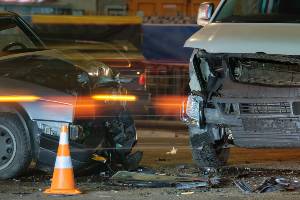
wrecked cars after crashCar crashes can cause devastating injuries, particularly if a commercial truck is involved or when one or both vehicles are traveling at high speed. If any of your body parts are subjected to extreme force or pressure at impact, you could suffer a crush injury. These injuries can result in a variety of symptoms that could become life-threatening or life-altering.
Below, we discuss crush injuries in a car crash, including common symptoms and what they may be worth in an insurance claim. If you were seriously injured in a crash, our attorneys are ready to help you pursue full compensation for your damages.

We know crash victims often have many questions about insurance claims, including whether they need, or can afford, a lawyer.

At TSR Injury Law, there are no upfront costs or fees with our services. Our Bloomington-based car accident attorneys have been representing crash victims for more than 20 years. During that time, we have obtained millions on behalf of our clients. Unlike insurance companies, our goal is to obtain all the compensation you need, and we have the resources and legal experience to build a robust case.

How Could a Car Crash Cause a Crush Injury?

You may have heard about crush injuries happening in workplaces, such as factories or construction sites. For example, workers could have a body part get pinned under a heavy piece of machinery or caught between two pieces of machinery. Workers could also get hit by falling debris that pins them down, causing a crush injury.

These injuries can also happen in high-speed car crashes. If the force of impact is great enough, vehicles could suffer significant structural damage. This could cause your arms, legs or chest to get pinned in place by the wreckage.

If you get into a rear-end crash with a commercial truck, such as an underride crash, the back of the truck’s trailer could break through your windshield and hit you in the chest. If a commercial truck hits the back of your car and pushes your vehicle into another, your vehicle could be compacted, subjecting your body to a crush injury.

A semi-truck could also run over a smaller passenger vehicle or run over a pedestrian or bicyclist. This could cause a severe crush injury.

It may also be possible for a vehicle’s engine to be pushed into the passenger compartment during the collision. In a rollover crash, occupants may become pinned between the vehicle and the ground. Pedestrians could suffer crush injuries if they get hit by a car and are pinned between the car and a fixed object, such as a wall or another vehicle.

No matter the cause, these injuries can be severe, and without the help of an experienced attorney, it can be difficult to recover full compensation for your damages. TSR Injury Law is committed to pursuing full compensation.

Symptoms That Often Happen After a Crush Injury

There are numerous signs that a crash victim has suffered a crush injury, including the following:

  • Severe bruising
  • Broken bones (including bones in the arms, legs, head, neck, back or ribs)
  • Nerve damage
  • Severe lacerations
  • Severe bleeding
  • Damage to soft tissues and muscles
  • Acute injury to the lungs
  • Lactic acidosis
  • Damage to internal organs
  • Infections

These and other injury symptoms should be treated immediately. Waiting to seek treatment can be incredibly dangerous, particularly with a crush injury. Not seeking treatment quickly can put you at risk for life-threatening complications. This is especially true if the crush injury affects your torso, as your vital organs are inside.

Potential Long-Term Impact of a Crush Injury

Potentially life-threatening medical conditions can develop after crash victims suffer crush injuries. For example, if a limb was crushed in a crash, you might develop limb ischemia. This refers to reduced blood flow to the area. Even with treatment, victims may need to have the limb amputated. There is also a risk of cardiovascular complications.

Some of the long-term risks with crush injuries can include:

Crush Syndrome

When the body is subjected to intense pressure, cells can die quickly. When cells die this quickly, they release toxins into the bloodstream. This could put you into cardiac arrest or even cause kidney failure. In extreme cases, crush syndrome can be fatal. That is why immediate treatment for a crush injury is so important.

Hyperkalemia

Hyperkalemia occurs when cell death causes too much potassium to be released into the bloodstream. This condition could become fatal if it triggers cardiac arrest.

Hypovolemic Shock

This is a condition that occurs when you lose at least 15 percent of your body’s supply of blood. When this happens, your heart cannot pump enough blood through your body and your organs could shut down.

Compartment Syndrome

If muscles, nerves and tendons are compressed into a small space or compartment, tissues may be unable to get enough blood.

There may also be a risk of paralysis with a crush injury, such as a crush injury to one of the legs or to the spine.

Treatment for Crush Injuries

Unfortunately, there are times when a crush injury results in amputation of a limb. This may be the only way to remove some victims from the damaged vehicle.

There are also times when doctors later decide to amputate because of restricted blood flow, which can cause the cells and tissues in the extremity to die. It can be dangerous to leave a limb attached in this condition. It could cause infections or toxins to spread throughout the body.

Amputation is only necessary in extreme cases. However, there are many other potential treatment options, such as hemodialysis, which may help prevent kidney failure. Other treatments may include:

  • Mannitol therapy, which is meant to flush out toxins that may have gotten into the kidneys
  • Forced alkaline diuresis, which is another way to flush out the kidneys
  • Close monitoring of patients to detect cardiac arrythmias
  • Replenishing electrolytes and treating abnormalities with electrolytes
  • Using an IV to slowly replenish fluids in the area that was crushed

Determining the Value of a Claim for a Crush Injury

There are many factors that can affect the value of a claim for a crush injury, particularly the severity of the injury. For example, a crush injury to the torso could be much worse than a crush injury to an arm or leg. When a crush injury causes the amputation of a limb, the victim’s ability to work may be greatly affected, increasing the value of the victim’s damages.

Older victims and younger victims tend to be more fragile, which means a crush injury could be more devastating to their bodies. These victims may need more compensation than others.

Regardless of the victim’s age or health, he or she will likely need aggressive treatment for a crush injury. This treatment could reduce the risk of severe or even fatal consequences; however, it is not cheap.

Crash victims who suffer crush injuries may also need ongoing medical treatment. This means they may continue to accrue medical expenses, even after settling their claims and receiving compensation. That is why victims need an experienced attorney who knows how to calculate the full value of medical treatment.

Your attorney will need to review your medical records and talk to your doctors to determine what treatment you may need to manage your symptoms and protect your quality of life.

Injured in a Crash? Call to Discuss an Insurance Claim

Unsure about how to seek compensation for a crush injury or another type of injury you suffered in a vehicle crash?

Contact TSR Injury Law to discuss the crash and learn how we may be able to assist you. We represent crash victims at no upfront cost, which means no fees to take your case and no fees while working on your case.

While many claims settle, we are also prepared to take cases to court to obtain full compensation. Without an experienced attorney with a record of taking cases to court, it may be much harder to recover all the compensation you need.

Contact TSR Injury Law today. We are ready to help: (612) TSR-TIME.

What if the At-Fault Driver and the Victim Have Different Versions of What Happened?

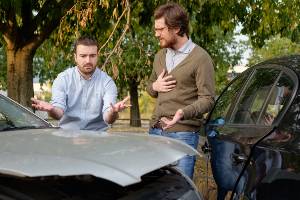
drivers after a crashWhen car crash victims file claims against other drivers’ liability insurance policies, they must prove the other driver is at fault for the crash. There are various types of evidence that may be used to establish fault, including statements made by the victim and the at-fault driver. The trouble is that the victim and the other driver may have different versions of what happened.

There are times when accounts of the crash differ because someone is lying, such as the driver who caused your crash. However, there are also times when the at-fault driver is not lying but his or her account of the crash is simply different from yours. Perhaps the other driver had a different view of the crash and there were things he or she could not and did not see.

At times like these, you need an experienced attorney to help you build a strong case. TSR Injury Law’s Minneapolis auto accident lawyers know how to gather evidence to prove a case. We have been helping crash victims since 1998 and we have secured millions on their behalf.

Why Your Account of the Crash May Differ From the Other Driver’s

There are many reasons why your recollection may differ from the other driver. If the other driver is at fault, his or her negligence may have prevented him or her from noticing the same things you did.

For example, if the other driver was drunk or distracted, he or she would not have been fully aware of what was happening. He or she may not have realized there was a red light or stop sign. The other driver may claim you came out of nowhere, even though you had the right of way. The other driver is not necessarily lying, he or she was just not paying attention.

In a multi-car crash, it is difficult for any driver to have a complete picture of what happened. You may remember what happened in the first couple of seconds, but there may be a lot you do not know. When there are multiple impacts, victims are going to focus on their own safety, not what is happening outside their car.

Sometimes drivers do not know the right-of-way laws that govern the situation in which your crash occurred. This can lead them to make statements that are untrue.

For example, many drivers have no idea who has the right of way when there is a flashing red light. Often, one driver will decide to go, and several others will follow. Even though this group of cars is in the intersection, cars from another part of the intersection may move into the intersection. Many of these drivers may not think they are doing anything wrong. If a crash occurs, the drivers involved may have varying accounts of what occurred.

Sometimes drivers’ view gets obstructed by inclement weather or glare from the sun or another car’s headlights. This can prevent a driver from seeing what happened in the moments leading up to a crash.

Telling Your Side of the Story

You may overhear what the other driver tells police when you are at the scene of the crash. You might also get into a conversation with the other driver immediately after the crash, such as when you are exchanging information.

While you may hear things you know to be untrue or statements that leave out important details, there is no need to confront the other driver about it.

Talking to the Police and an Attorney

The most important thing is to tell the police what your version of events were and if there are witnesses make sure their story is also known. Your attorney can later investigate the crash to gather more evidence such as video, audio or unknown witnesses to prove what happened. If the other driver was negligent, a thorough investigation is likely going to uncover evidence that proves it.

If you think the police report has an error, your attorney may be able to help you get it corrected. Your lawyer may be able to just call the police department and quickly get the situation resolved.

If you have an experienced attorney on your side, the other driver is much less likely to get away with lies or misstatements about the crash. Explain what you remember to the police and your attorney and avoid discussing things you are unsure of. If you do not know something, avoid discussing it with the police. You can talk to your attorney about it because these conversations are confidential.

Taking Notes on the Crash

It can be helpful to take a few minutes to write down what you remember about the crash. For example, you could do this after you receive treatment, or even at the scene, depending on the severity of your injuries. Another option is to record a video in which you talk about what happened. When you talk to an attorney, tell him or her what you remember. Make sure not to leave anything out.

Staying Consistent

Consistency in your statements is important because it helps protect your credibility. That is why talking to the insurance company is a bad idea. Conversations with your attorney are protected by attorney-client privilege. However, anything you say to the insurance company will be used against you to diminish the value of your claim. You may be surprised at how easy it can be to make inconsistent statements to the insurance company.

You do not need to say much at all to the insurance company – attorneys can talk to insurers on your behalf. They can ensure statements about what happened in the crash are consistent. Insurance companies are not going to try to trick attorneys into saying things that call a crash victim’s credibility into question. Experienced attorneys, like those at TSR Injury Law know what insurance companies are up to.

Evidence to Back Up Your Claim

If the other driver is lying or has a different version of events, you will need more evidence to prove your case. Fortunately, there are various types of evidence that may help you build a strong case:

  • Analysis of the damage to both vehicles
  • Your injuries and their severity
  • Police report, which may include the officer’s conclusion about fault for the crash
  • Pictures from the scene
  • Video footage if any is available
  • Conclusions from an accident reconstruction expert
  • Statements from witnesses at the scene
  • Black box data from involved vehicles
  • And more

You can find an experienced attorney to represent you. One who knows how to investigate car crashes to decipher what happened. Even though some crashes seem obvious what happened, the insurance company is going to fight hard to find a reason to deny a claim. That is why you need an attorney who knows how to fight for you.

Contact Our Firm For Help Following a Crash

While compensation from an insurance claim cannot erase what happened, it is still important. Compensation allows victims to get medical treatment and cover other damages that resulted from their injuries.

However, you need full compensation. You do not want the insurance company’s first offer, which is often far below the full value of a claim.

That is why you need an attorney from a firm with a proven record, like TSR Injury Law. We have obtained compensation from many insurance companies. We know how to build a strong case and negotiate for maximum compensation.

No upfront fees for our services. Call us today: (612) TSR-TIME.

What if a Car Crash Witness Refuses to Cooperate or Testify at Trial?

subpoena formStatements from a credible witness are the best way to prove the facts of how a crash happened. While many witnesses choose to help, some may be reluctant or may even refuse. Even if a witness gives a statement right after the crash, they may refuse later on if the case goes to trial.

What if you need witness testimony to validate your case? Can witnesses be compelled to testify? Can witnesses be compelled to provide a statement for an insurance claim?

TSR Injury Law’s experienced attorneys discuss these issues below. We have taken on many car crash cases, working with many witnesses and also going to trial. We are ready to help you with every aspect of your case, with the goal of recovering maximum compensation.

We do not charge upfront fees. Call today: (612) TSR-TIME.

Why Witnesses May Not Want to Get Involved

A witness does not have much to gain from helping. Although they may gain some personal satisfaction for doing the right thing and helping a victim by telling the truth, sometimes the fear of becoming involved outweighs the “trying to help” scale. The scale may be tipped more to helping if the at fault party broke the law (drinking, texting or running a light) and the witness is more motivated to help.

Witnesses have a lot of things going on and they think they may not have the time. Witnesses may fear retaliation from the bad actor, or they may think their insurance rates are going up if they have the same insurance company. A witness may have a criminal record, and he or she may be concerned it will be used against them by the insurance company.

If your lawyer is filing a liability insurance claim, the witness may know the at-fault driver. The witness may not want to help someone obtain compensation from the at-fault driver’s insurance company. The at-fault driver’s insurance premiums may increase if the claim is successful.

Witnesses may not want to deal with the stress of the legal process. They may need to talk to insurance adjusters and attorneys many times. Witnesses may fear the case going to trial, so they decide not to get involved in the first place. The thought of going to court makes many people anxious, including witnesses, who may have to testify and deal with cross examination.

Getting Witnesses to Help With an Insurance Claim

Some witnesses just need to talk to a lawyer and get their questions answered. After that, some witnesses may be more likely to decide to help you with your claim. For example, your lawyer can explain that by giving a clear statement up front, there is less litigation later. Clear statements promote settlement. This means a trial is unnecessary. An attorney telling this to a witness may be enough to convince him her to take part in your claim.

Your Bloomington vehicle accident lawyer may also need to explain how much of a commitment a witness will need to make. It may be a few phone conversations and a meeting with your attorney. Sometimes all it takes to convince a witness to help is a conversation with an experienced lawyer.

Can Witnesses be Compelled to Testify?

Sometimes attorneys file subpoenas to compel witnesses to testify in court or take part in a deposition. It is important to note a subpoena can only be filed after a lawsuit has been filed.

You should hire an experienced attorney to represent you because he or she will know when a subpoena may be necessary. You want to be able to trust that your case is being managed appropriately.

Filing a subpoena may be necessary if the witness’ testimony is vital to the case. In other words, your attorney may be more likely to file a subpoena If the case will be harder to prove without the witness’ testimony.

Can a Witness Refuse to Comply With a Subpoena?

For the most part, people are required to comply with subpoenas, with rare exceptions. For example, people must have a reasonable amount of time to respond to a subpoena. If a witness does not have enough time to respond, he or she may not be required to comply.

Witnesses may be able to ignore a subpoena if they can prove complying with it creates an undue burden. There is a lot of room for interpretation about an undue burden, which is why each case needs to be assessed on its own.

If a witness can avoid being served the subpoena, he or she cannot be forced to comply with it.

Contact TSR Injury Law to Discuss Your Claim

Think you do not need a lawyer to help you?

Have you considered that the insurance company will be looking for any reason to deny or devalue your claim? Insurance companies are profit-driven. Therefore, they are interested in denying more claims than they pay out.

TSR Injury Law’s attorneys represent injured victims at no upfront cost. We have been advocating for injured victims in Minnesota since 1998, recovering $1 billion in compensation.

Contact us today to learn more: (612) TSR-TIME.

Whose Insurance Pays for Damages From a Peer-to-Peer Carsharing Crash?

carsharing graphic with tableYou may have heard about peer-to-peer carsharing. You may have even made use of a peer-to-peer carsharing service. If you need to use a car for a short period, peer-to-peer carsharing can be a low-cost, convenient way to do it.

However, questions often arise when a crash occurs. Whose insurance is liable for the damages? Can you still seek compensation from your personal injury protection insurance if you were injured in a car you were borrowing? Can the victim seek compensation from the liability insurance of the person driving the shared car?

Below, we discuss liability issues that may arise after a crash involving a peer-to-peer carsharing vehicle. If you were a victim of this type of crash and have questions about seeking compensation for your damages, give us a call today. There are no upfront fees for our services.

How Does Peer-to-Peer Carsharing Work?

Carsharing is not the same as ridesharing. Services like Uber and Lyft are different from carsharing companies like Turo, Zipcar and Getaround.

Carsharing means you pay to rent a car from an individual who signs up for a carsharing program. Ridesharing is different because you are only paying to get a ride in someone else’s car, you are not paying to drive someone else’s car.

People may sign up for carsharing and allow their car to be used as a quick way to make extra money. People who make use of these services may do so because they want to avoid the expenses that come with owning or leasing a car.

How Does Insurance Coverage Work After a P2P Carsharing Crash?

If you get into a crash involving a peer-to-peer carsharing vehicle, you can seek compensation from your personal injury protection insurance. The process will be the same as it would be for a crash involving a vehicle that was not part of a peer-to-peer carsharing service. Your personal auto insurance follows you and will cover your medical bills and wage loss, under the no-fault system, for the $20,000.00 mandatory minimum under Minnesota law.

However, what if you also need to file an at-fault liability insurance claim? Can you file a claim against the insurance of the driver of the carsharing vehicle? Would you need to file a claim with the insurance of the owner of the vehicle? What about filing a claim against the P2P carsharing company?

These are questions that should be reviewed with an experienced Bloomington-area car accident attorney.

Here is a brief explanation of the coverage offered by some of the popular carsharing companies. If you were injured in a crash with the carsharing vehicle at fault, you may be able to seek compensation from this coverage:

Turo

Turo hosts (the people renting the cars out) can choose from one of five insurance plans, but all five come with $750,000 in third-party liability insurance. However, each plan pays 100 percent of eligible damage costs, after the deductible is paid.

Zipcar

Zipcar provides the minimum amount of liability insurance the state requires. However, this coverage does not kick in until all other coverage has been exhausted.

Getaround

This company provides liability coverage up to the minimum requirements in the state where the car is being shared. However, this coverage is secondary to any other available insurance coverage. Vehicle hosts have $1,000,000 in liability coverage.

What if You Get Into a Crash While Driving a Carsharing Vehicle?

Your personal injury protection insurance should apply to your economic (medical bills and wage loss) damages. You may also be able to seek compensation from the liability insurance of the driver who is at fault for the crash. If the other at-fault vehicle does not have insurance, or not enough, then your personal auto coverage or the P2P coverage may apply.  Both policies need to be reviewed to determine coverage priorities.

Obtaining full compensation on your own can be a challenge. An experienced attorney can investigate what happened and negotiate with the insurance company on your behalf.

Protecting Yourself if You Use a Carsharing Service

Before allowing your car to be rented or before renting another person’s car, you need to review your insurance coverage verifying you are covered if a crash happens. You can contact your insurance company and the carsharing company to determine the coverage that would apply. This way you can avoid surprises if you are involved in a crash.

You never know when a crash may happen, and you never know if you could get seriously injured and need significant medical treatment.

Contact TSR Injury Law Today to Discuss Your Claim

Your medical expenses and other damages could be more expensive than you realize. If you do not find an experienced attorney to represent you, it is probably going to be harder to obtain all the compensation you need. This could be financially devastating and leave you unable to get the medical treatment your doctors recommend.

There are no upfront fees for clients of TSR Injury Law. We take car crash cases on contingency, so there are no fees to pay up front.

Schedule your free initial consultation. Call (612) TSR-TIME.

Why You Should Not Discuss the Details of Your Case With Your Doctor

man putting finger over mouthThe most important thing to do after getting injured in a car crash is to seek medical treatment. You need a qualified medical professional to diagnose all your injuries, provide stabilizing treatment, provide pain relief and determine what ongoing treatment is needed.

When you meet with the doctor, you should discuss all your symptoms in detail. Do your best not to leave anything out. You do not want to let an injury go untreated and potentially get worse. Waiting to get treatment could cause your recovery to take longer.

However, while it is important to discuss your injuries in detail, you should not discuss specific details of your car crash claim with the doctor. Below, we discuss the reasons why and how statements about your claim could come back to haunt you later.

Your Doctor Needs to be Focused on Your Injuries and Treatment

A doctor’s job is to treat people who have an injury or illness. It is important to explain what caused the injury (you fell down or were in a crash) but how it happened can create medical documentation problems.

Doctors may recommend, follow-up appointments with specialists, testing, surgery and more.

That is why the doctor needs to know everything about your injuries. You should give a detailed explanation of how you are feeling and what your symptoms are. Where are you feeling pain? Do you have limited mobility? Do you have a headache or blurred vision? These are types of questions you may need to answer when meeting with a doctor following a car crash.

Your doctor does not need to know about your insurance claim. In fact, most doctors do not want to become involved in your claim any more than they need to be. If you start giving your doctor a lot of details about your claim, it may affect his or her willingness to treat you or even to reach conclusions about the cause of your injuries.

Your lawyer might need your doctor to record a deposition or testify at trial. However, your attorney can determine if this is necessary, which means you do not need to discuss it with your doctor. If you tell the doctor, you may need him or her to testify, he or she may not want to continue providing treatment.

Doctors have a lot of patients to meet with and provide treatment, whether they are at their own office or in a hospital. They need to be efficient in their discussions with patients. It does not make sense to get bogged down in a conversation about your claim. You want the doctor to be focused on you and your injuries. Doctors may not want to continue treating a patient who keeps talking about his or her case.

Dangers of Discussing Your Case

Whatever you tell your doctors is likely to be noted in your medical records, including statements you make about the case. Doctors often try to document as much as possible when meeting with patients to provide treatment.

Talking to your lawyer about your case is confidential, but statements you make to others should never be considered confidential. In fact, your medical records are evidence that the insurance company will review.  You may have said something that could be used against you, such as a statement that sounds like an admission of fault.

Statements made to the doctor could contradict statements you make later to the insurance company, or statements made in a deposition or at trial. Insurance companies are always looking for some way to attack the victim’s credibility.

Making statements about the value of your case also have no place within a medical appointment. The insurance company will use these statements to claim you are only after money and are not injured. The insurance company’s first offer of compensation may be far below the amount they find in your medical records.

You should also avoid telling your doctor about things you talked to your attorney about. Conversations with your attorney are confidential, unless you reveal what was said and it gets documented somewhere else, like your medical records. For example, if your attorney says it may be tough to validate your case, the insurance company may think it has a good chance of success if the case makes it to court. The insurance company may be less likely to try to settle the case in good faith.

Give Us a Call Today to Discuss Your Claim

For decades, the licensed Bloomington auto accident lawyers at TSR Injury Law have been taking on insurance companies to secure the compensation our clients need. Our services come at no upfront costs, so there is no financial risk in being represented by our firm.

We are ready to discuss how we may be able to help you. Contact us today to schedule your free legal consultation.

TSR Injury Law. Experienced Lawyers. Ready to help: (612) TSR-TIME.

Can You Reopen a Car Crash Case That Has Been Settled?

pen writing on paperWhile there may be exceptions, the general rule is that once you settle a case, it cannot be reopened. This is because the settlement includes a section that releases the insurance company from further liability for the victim’s damages. There would be no reason for the insurance company to agree to a settlement without this language in the settlement.

Below, we discuss some of the exceptions when an attorney might be able to “reopen” a case that was settled. We also explain why it is so important to make sure a settlement provides all the compensation you need before you sign it.

If you want to make sure a settlement provides the compensation you need, you should strongly consider hiring an attorney to help you before you sign a settlement document. Injured victims who hire attorneys often recover more compensation than those who go it alone.

The experienced Minneapolis auto accident attorneys at TSR Injury Law have helped many car crash victims secure compensation for all their damages. There are no upfront costs for our services.

Why Are Cases Typically Closed After the Settlement is Signed?

Insurance companies do not want to deal with multiple claims from one injury victim over the same injury. That is why insurance company settlements include a release of liability. While the language of each insurance company’s release may vary, it will say you are signing away your right to file a lawsuit in exchange for compensation from the insurer.

The insurance company needs a reason to pay compensation. They may say they are paying compensation because you need it, and they want to help you recover from the accident, but the reality is they want certainty and to expand their profit margins.

The insurance company wants to pay out as little as possible to resolve your case. That is why they may offer a settlement early in the process, before the full extent of your injuries is known. If you accept a settlement early in the process, you may be leaving compensation on the table. The insurance company knows full well that once you sign the settlement, you cannot seek more compensation from them.

While cases are typically only closed when the settlement agreement is signed, verbally agreeing to a settlement can be a bad idea if you are not sure the settlement provides all the compensation you need. The insurance company may try to hold you to your verbal agreement. That is why you should have an attorney managing your case and communicating with the insurance company on your behalf.

When May a Car Crash Case be Reopened?

There are rare instances when a car crash case could potentially be reopened after it was settled. For example, it is possible there may be significant technical errors in the settlement documents. Maybe a decimal point is out of place or there is a typo in the settlement amount. While it may be possible to simply fix the mistake, backing out of the settlement might also be possible.

Other reasons why a car crash case might be reopened include:

  • Defendant failed to perform – If you were supposed to receive the settlement within a certain number of days, but you have not received it, the case might be reopened because of the defendant’s failure to perform.
  • Settlement has not been signed – If you verbally agreed to the settlement, the case should not be closed until you sign the document. However, a verbal agreement could be interpreted as valid, which would make it harder to reopen your case.
  • Another party is at fault for some of your damages – This may not be the same thing as reopening your case, because you are not seeking compensation from the same insurance company you already settled with. You are seeking compensation from another at-fault party. This is a separate claim. An issue may still arise if you signed a general release, as opposed to a Pierrenger or Drake Release, which settled all cases even if you did not mean to.

It is important to note you cannot reopen a case because you need more compensation. It does not matter how severely you were injured or how much more compensation you need. Once you sign the agreement and compensation is paid out, it is usually not possible to reopen the case.

If your case goes to court, a jury verdict could potentially be appealed. However, appeals can only be granted for certain reasons. This could be thought of as reopening the case.

Unsure if You Have a Case? Call TSR Injury Law

Generally, you cannot reopen a car accident case that has been settled. That means you need to be sure the settlement provides full compensation for damages you have already suffered and damages you may suffer in the future.

At TSR, we understand how important it is to recover full compensation for your damages. Our goal is to help you get the compensation you need to move forward with your life.

Our firm works on contingency, so there are no upfront fees. The initial consultation is also free.

Call TSR today to discuss your situation: (612) TSR-TIME.

What Should You Do if the At-Fault Driver Lies About the Car Crash?

false and true arrows on roadThe aftermath of a car crash is difficult enough. If the at-fault driver lies about his or her role in the situation, it puts up another obstacle to recovering compensation for your damages. Even if the at-fault driver’s statements are untrue, they give the insurance company more reason to question your account of the crash.

If you think the at-fault driver is lying or exaggerating, it is important to contact an experienced attorney right away. You need a lawyer who has been through this process many times, who knows how to build a strong case and will pursue full compensation.

The Bloomington-based car accident attorneys at TSR Injury Law have secured compensation for many vehicle crash victims. We know how to investigate and gather evidence about the crash and determine the value of your damages.

Is the at-fault driver lying? Call TSR today: (612) TSR-TIME.

Why Some At-Fault Drivers Decide to Lie

Drivers who cause car crashes have an incentive to lie about what happened. If a driver caused a crash, the victim may be able to seek compensation from the driver’s liability insurance. Claims filed against that at-fault driver’s insurance policy could cause his or her insurance premiums to go up.

Drivers may also want to avoid a traffic citation, especially if they have received multiple traffic citations in a short period of time. The driver may be concerned about a license suspension, which can happen if you receive enough moving violations over a certain period.

Sometimes drivers lie because they have been drinking alcohol or are under the influence of drugs. They do not want to face the consequences of a DWI conviction.

Lies At-Fault Drivers May Tell

The driver who caused your crash might lie about a variety of things. For example, the driver may lie and say he or she was not speeding or texting and driving. While the victim may have suspicions that the at-fault driver was speeding or distracted, the at-fault driver may think there is no way you can prove it.

Drivers often lie about whether they were drinking. They do this because there are severe legal consequences for those who are convicted of drinking and driving.

Drivers may also lie about being fatigued or nodding off at the wheel. However, you may have noticed that driver having trouble staying in his or her own lane of traffic. You may even see the other driver yawning when he or she gets out of the car after the crash. Despite it being obvious the other driver is tired, he or she may lie about it.

Some of the other things drivers may lie about include:

  • Tailgating/following you too closely before the crash
  • Running a stop sign
  • Running a red light
  • Mechanical issues in the vehicle that helped contribute to the crash, such as a recalled part

How Do You Prove Your Account of the Crash?

There is no need to confront the other driver about his or her lies. You do not want to get into a shouting match or physical confrontation with the other driver. The important thing is to present your side of the story and hire an attorney to take on the insurance company on your behalf.

Tell the Police Officer What Happened

When the police arrive at the scene, you can explain what you remember about the crash and the officer will note your statement in the police report. The report may also include the officer’s thoughts on fault for the crash. If the at-fault driver lies to the officer, he or she may be able to spot the lie. Police officers deal with drivers and others who give untrue statements on a regular basis, so they are skilled at spotting lies.

If you think the other driver is under the influence of drugs or alcohol, there is a good chance the officer will figure it out. Driving drunk is illegal and carries severe penalties, so if the officer thinks the other driver may be drunk, the officer may conduct a field sobriety test or breathalyzer test.

Correct Errors on the Police Report

When you or your lawyer obtain a copy of the police report, it is important to make sure the information on it is correct. If there are errors, talk to your lawyer about getting them corrected as quickly as possible. Sometimes correcting an error is as simple as talking to the officer on the phone. However, if it is more complicated, you may need an experienced lawyer to help you get the error removed.

Gather Witness Statements

If there are witnesses to the crash and their statements back up your account of the crash, it is much less likely the at-fault driver’s lies will hold up under scrutiny.

The responding police officer will talk to witnesses. You can also get their contact information and give it to your attorney so he or she can contact them later.

Taking Pictures at the Scene

If you are physically able to do so, you can take pictures of visible injuries and damage to your vehicle. You can also photograph the location of the crash (road signs, landmarks, etc.) and debris or damage to the road (skid marks, broken glass, vehicle parts, etc.).

Staying Consistent

Your actions after the crash can help bolster your credibility. If you are more credible than the other driver, it will be harder for his or her lies to hold up over time. Drivers who lie about a traffic crash will have difficulty remembering what they said and making consistent statements about what happened.

If you want to ensure consistent statements, it is best to stick to the truth and limit what you say about the crash. Tell the responding officer what happened but avoid talking to the insurance company, or at least limit what you say to the insurance company.

Insurance companies know how to trick victims into saying things that could hurt their claims. Insurers may also want to keep you talking. The longer you talk with them, the more likely it is you will say something that you might contradict later.

It is generally best to let your attorney deal with the insurance company. At TSR, we know how to do this because we have been doing it for decades. We know how to build strong cases, as you can see from our proven history of success. We have secured $1 billion in compensation for our clients.

Give Us a Call. We Are Ready to Help

Insurance companies are ready to fight hard to avoid paying full compensation for damages suffered by car crash victims. You need an experienced advocate who has the resources and legal knowledge to fight just as hard for your interests.

TSR Injury Law works on contingency, which means the initial consultation is free. There are no upfront fees to pay before we take your case. Our attorneys do not get paid unless you get paid.

Call today to discuss how we can help: (612) TSR-TIME.

What is in a Settlement Demand Letter to the Insurance Company?

paperwork with pen on topWhile there are personal injury cases that end up in court, most reach a resolution after the victim and the liable insurance company agree on a settlement. Sometimes victims deal with the insurance company themselves, but if you hire an attorney, he or she is going to send a settlement demand letter to the insurance company.

The settlement demand requests that the insurance company provide compensation for the victim’s damages. Below, we discuss these letters in greater detail, along with the benefits of having an experienced attorney negotiating for the compensation you need.

If you have questions about the legal process or are unsure if you have a case, give us a call today. We are ready to help you during this difficult time, and we do not charge upfront fees.

TSR Injury Law. Experienced attorneys ready to assist you. (612) TSR-TIME

What Does a Demand Letter Include?

While the details of each demand letter are different, they all have certain elements. For example, the demand letter will identify all the parties involved in the claim, including the insurance company, the victim, and the at-fault party. If an insurance adjuster has been assigned to the case, this person’s name and contact information will also be included.

These details need to be included so the other parties besides the victim are notified of the claim and can respond.

Other elements of a demand letter include:

Description of the Incident That Caused Your Injuries

This is one of the most important parts of the demand letter. This section explains what happened, how and why you got injured and why the other party should be held liable for the damages you suffered.

The description of the incident often includes medical records, the police report and statements from those who witnessed the crash. The demand letter may also include pictures of your injuries and pictures from the scene of the crash.

The information in this portion of the letter needs to be descriptive and factual.

Summary of Your Damages

The demand letter also lists the damages you suffered in the crash and explains how the crash has affected you.

Damages may include:

  • The cost of medical initial basic treatment
  • Cost of surgery or medical testing
  • Cost of all future medical care that will be needed
  • Emotional distress from being severely injured
  • Past and future pain and suffering documentation
  • Prescription medication past and future costs
  • Past and future lost wages
  • Loss of earning capacity
  • Property damage
  • Any other related damages you can document

Your attorney will include documentation to support your damages, including receipts and bills detailing your expenses. Non-economic damages will need to be explained in detail because there are no bills or receipts for these damages.

Your attorney may need you to keep a journal in which you explain the psychological damage caused by your injuries. For example, victims may explain the trauma of not being able to take part in the activities they once enjoyed. They may also describe how their injuries have damaged their relationship with their spouse. Other details in the journal may help to explain how the pain and limitations caused by the injury affect the victim each day.

Compensation Demand

The demand letter tells the insurance company how much compensation is being sought and what will happen if the demands are not met. The letters often say the victim intends to file a lawsuit if the insurance company refuses to meet the demand.

What Demand Letters Do Not Include

While there are many elements of a demand letter, there are certain things that should not be included in these documents. For example, you do not want the letter to make an unreasonable demand for compensation.

You also do not want the letter to have an extremely detailed description of the crash because it could be challenged. For example, you do not want to have statements that contradict the police report.

Other items that should not be included in your demand letter are any statements that could be perceived as admissions of fault.

Writing a detailed demand letter is complicated. However, this is just one reason why you should hire an experienced Bloomington car accident attorney to manage your claim. The attorneys at TSR Injury Law have obtained compensation from many insurance companies and we know how to draft an effective demand letter.

We are also experienced negotiators, so we know how to determine the compensation demand that is appropriate for a claim. You do not want to start too low or too high. Often, the insurance company responds to this with a counteroffer that is much lower than your original demand. Typically, insurers and the attorney for the victim go back and forth until they reach agreement on a settlement.

There is a strategy to negotiating for compensation and this is something that victims should leave up to an attorney with a proven track record.

TSR is Here to Assist Injured Victims. Call to Learn More

If you were injured by another’s negligence, you need an experienced law firm to help you seek justice and compensation. You should not decide about a settlement offer until you speak with an attorney.

TSR Injury Law has been taking on insurance companies for decades, and we have obtained hundreds of millions for our clients. We have the resources and experience to build a strong case. We also work on contingency, which means you do not pay us up front.

No upfront fees. No fees while working on your case. Call (612) TSR-TIME.