Can I Seek Compensation After a No-Contact Car Crash?

driver jerking steering wheelCar crashes are almost always started by one vehicle hitting another one. Often, the driver who crashed into the other car is found at fault for the accident.

Sometimes, a car accident is not caused by a collision. If another driver brakes or changes lanes unexpectedly, you may swerve or brake to avoid hitting that car. If your reaction causes you to crash into another car, or a car collides with you, you have just been in a no-contact car crash. There are many other examples of no-contact car accidents.

No-contact crashes usually do not occur without the negligence of another driver, even though that driver did not hit your vehicle. However, you could also get into an accident because of a defective part or negligent repair work. In those types of cases, you may have grounds for a product liability claim against a product manufacturer or a negligence claim against the mechanic.

Much like victims of hit-and-run accidents, victims of no-contact crashes may wonder if they can pursue compensation for their injuries and other losses. The answer to this question is based on various factors, which you should discuss with your Bloomington car accident lawyer. The initial consultation with an attorney from TSR is free.

Causes of No-Contact Crashes

There are many reasons a no-contact crash could occur. Here are some of the most common:

  • A driver cuts you off and you make an evasive maneuver only to hit a third vehicle
  • A driver changes lanes without signaling, forcing you to maneuver out of the way
  • You get run off the road or into another vehicle when someone changes lanes without looking
  • A left-turning driver cuts across your path, forcing you to swerve to avoid a crash, only to collide with someone else
  • The driver in the car directly in front of you stops suddenly and you get in an accident while trying to move out of the way
  • You are in the lane of merging traffic when another driver, who is not paying attention, is about to sideswipe you. You slow down, but get rear-ended

No-contact crashes may also involve fixed objects, and not just other vehicles. For example, you could maneuver to avoid a collision and hit a tree or a road sign. You could also hit a concrete light post.

Often, the driver who caused you to crash is unaware of what happened. This person is likely to just keep on driving without looking back. That is why these drivers are sometimes referred to as phantom drivers, because they essentially disappear after the crash happens.

Filing a No-Contact Car Crash Claim

Sometimes other drivers realize they contributed to a collision and they stop at the scene. If this happens, you may be able to file a claim the same way you would for any other type of crash. Minnesota is a no-fault state so you would turn to your personal injury protection coverage to pay for medical expenses, lost wages and replacement services.

Minnesota also requires drivers to purchase uninsured motorist coverage in case they are involved in an accident with a driver who lacks insurance. This coverage can also be used for a hit-and-run collision since a no-contact crash is considered a type of hit-and-run crash. However, it does not cover damage to your vehicle.

Steps After the Crash

Make sure to call the police at the scene so they can investigate and complete a report. They may also be able to locate the driver if you can provide a description of the driver and/or the vehicle he or she was in. Immediately after the crash, jot down what you remember about the vehicle that instigated the crash before you forget, particularly the license plate of the vehicle. Some insurance companies have disclaimers that if you do not call the police and make a report you cannot make an uninsured motorist claim.

Ask for the contact information of any witnesses at the scene. You can also record your conversation with them, with their permission of course.

Our attorneys can talk to the insurance company on your behalf. However, if they may contact you before you talk to a lawyer, it is important to be very careful with what you say. They are likely to ask you to describe what happened, and certain things you say could make it sound like you are to blame for what happened.

Avoid statements like:

  • “I should have…”
  • “I did not see him until the last second.”
  • “I was following a little too closely…”
  • “I was tired.”
  • “I was in a rush.”

While some of these statements may be true, they may have no bearing on the crash. The attorneys at TSR Injury Law are focused on your best interests. The information we discuss is confidential, which means the insurance company cannot gain access to it.

If you make statements like the ones above to the insurance company, they will likely try to pin the crash on you, or at least say you are partially to blame.

Our attorneys are committed to ensuring you are not assigned more fault than you deserve. Any fault you are assigned reduces the value of any settlement you may be awarded.

Injured in a No-Contact Crash? We are Here to Help

Our experienced attorneys have extensive knowledge of Minnesota laws that apply to no-contact car crashes, including laws on insurance coverage and partial fault for an injury.

We are prepared to help you pursue maximum compensation and determine if you have a valid claim when you meet with us for your initial consultation. This meeting is free and there is no obligation for you to take legal action.

TSR has a proven track record of recovering compensation for car crash victims.

Need help? Give us a call today. (612) TSR-TIME

How Much Do You Know About Your Car Insurance Policy?

Current image: Blank Car Insurance Document on Desk Social

If someone asked you about the amount of coverage your car insurance may provide if you file a claim, how many details could you provide?  Would you know the different coverages you have available?

Unfortunately, most policyholders remember very little about what is written in their insurance policy.  After buying the policy, they may not take another look at it until they need to file a claim after a crash.  Even then they may just take the insurance company’s word for it about the coverage in their insurance policy and not check for themselves.

This is one of the reasons it is so important to hire a qualified lawyer to help you seek compensation.  The Minneapolis car crash lawyers at TSR Injury Law have decades of combined experience and a proven track record.  We have obtained over a billion in compensation for our clients.

What Drivers Know and Do Not Know About Car Insurance

In October 2017, The Zebra published a survey of 1,165 car insurance customers to assess how much they knew about their insurance policies.  Even though 81 percent of respondents think they have the insurance they need, few respondents were able to correctly identify common types of coverage.

In fact, nearly 45 percent of respondents did not know what coverage applies to a crash with another driver who does not have insurance.  The answer is: uninsured motorist coverage.

Just 35 percent of drivers knew damage to their vehicle may be covered by the at-fault driver’s liability coverage.

When asked about the purpose of car insurance, only 5.2 percent of respondents said the purpose was to pay their medical bills if they were injured in a crash.  Another 23 percent said their insurance would pay the other driver’s bills if they cause the other driver injury or property damage.

What Should You Know When Filing a Crash Claim?

It is important to know what your insurance covers and the limits of those coverages when filing a claim.  That way you know when the insurance company is being honest about whether damages are covered and whether your damages are less than or more than your coverage limits.

For example, as Minnesota is a no-fault state, you are required to have personal injury protection (PIP) coverage to pay for your own medical and wage loss damages from the crash.  This coverage applies regardless of who is at fault.  You should know how much PIP coverage you have.  You should know if you have “stacked” PIP coverage.

Knowing what is in your policy is particularly important if your claim is complicated.  For example, claims involving at-fault drivers who do not have insurance, or do not have enough insurance, are often difficult.

The more complex the claim, the more important it is to hire an experienced lawyer to represent you.  He or she can review your policy and deal with the insurance company on your behalf.  Our goal is to recover maximum compensation and hold the insurance company to the terms of your policy.

Reviewing Your Insurance Policy

People often learn a lot about car insurance when they are shopping for a policy and when they pick one.  However, once they start paying premiums, they may not look at their policy again until they need to file a claim.  Even if they do look at it, they may not understand what is in it.

Remember, you can always call the insurance company to ask for more information about your insurance policy, even if you are not filing a claim.  You can even ask about the factors involved in setting rates and ways to save money on your policy.

If you want to increase your coverage, you will likely increase your premiums.  However, you can increase your deductible to help lower your premiums.  The deductible is the amount you are required to pay before your insurance coverage kicks in.  Deductibles can be for collision coverage or even the wage and medical coverages.  Some police even have “drop down” provision that give less coverage to your family if they are in the vehicle with you.  Agents do not always even know these exist.

TSR Injury Law is Here to Help. Call Today.

We have helped many car crash victims pursue compensation for medical expenses and other damages.  We have successfully recovered millions on their behalf and are ready to help you.

You can get answers to your legal questions and learn more about the services we provide in a free initial consultation.  If we validate your case and you hire one of our attorneys, we are prepared to guide you through the legal process.  This means dealing with the insurance company on your behalf and pursuing full compensation, up to the limits of the insurance policies involved.

TSR Injury Law. No Upfront Fees. Ph: (612) TSR-TIME.

Have Self-Driving Cars Become Safer Than Cars Driven by People?

It may seem inevitable that cars driven by human beings will be phased out and replaced by self-driving vehicles.  How quickly will this happen?  That depends on many factors, particularly how safe self-driving cars are.

The goal with self-driving vehicles is to make them not just as safe as, but safer than cars driven by people.  Unfortunately, drivers are not that safe, as they are prone to distractions, drowsy driving, drunk driving, texting, speeding and other forms of negligence or recklessness.

Below, learn more about how safe self-driving cars have become, not just how well they sense and avoid hazards, but also the risks that still need to be addressed.

What Does the Research Say?

By 2018, self-driving cars had already gone through millions of miles of road tests.  These tests have shown there is great potential for self-driving vehicles to be safer than cars driven by human beings.

The idea behind these automated vehicles is that they are intended to avoid the mistakes and recklessness of human drivers, such as disobeying traffic laws, speeding or drifting out of a lane.  Some research has shown self-driving cars do a good job detecting other vehicles and obstacles.

However, self-driving vehicles often struggle to detect pedestrians.  Weather conditions also present added difficulty for safety.  Heavy rainfall, snowfall, ice and other inclement weather cause major problems with self-driving vehicle sensors.  It is fair to say that a self-driving car in Minnesota would not be as safe as one in Texas just based on weather.  Unfortunately, it can be easy to fool self-driving cars, possibly resulting in a dangerous crash.

Tesla Autopilot Accidents

While there are no fully autonomous vehicles on our nation’s roads, some Tesla models have an Autopilot feature that makes them semi-autonomous.  In some ways, semi-autonomous is even more dangerous than fully autonomous technology.  Driver’s get a false sense of security and do not pay attention.  Unfortunately, as of January 2020, there had been three fatal crashes involving Tesla vehicles with the Autopilot feature engaged.  For example, in March 2019, a Tesla Model 3 crashed into a truck towing a trailer and the roof of the car was sheared off.  Neither the driver nor the Autopilot took action to try to avoid the crash.

AAA Study

Many vehicle manufacturers besides Tesla have active driver assistance systems that manage acceleration, braking and steering.  A study recently released by AAA found these systems experienced some type of problem every eight miles, such as:

  • Trouble staying in the same lane (this accounted for about three-quarters of the errors)
  • Drifting too close to vehicles
  • Drifting too close to guardrails
  • Disengaging with little notice

Researchers studied 4,000 miles of real world driving to determine what the problems were. The vehicles included in the study were:

  • 2019 BMW X7 with Active Driving Assistant Professional
  • 2019 Cadillac CT6 with Super Cruise
  • 2019 Ford Edge with Ford Co-Pilot360
  • 2020 Kia Telluride with Highway Driving Assist
  • 2020 Subaru Outback with EyeSight Suite

Who can be Held Liable for a Self-Driving Car Crash?

As there are no fully autonomous vehicles on the road, the more relevant question is whether a vehicle manufacturer can be held liable for problems with features that assist drivers.  While each situation is unique, it may be difficult to hold a manufacturer liable, as drivers are still supposed to be paying attention, even while autonomous features are engaged.  One of the biggest issues with the current state of “self-driving” cars is that they do not actually self-drive.  Maybe they assist, but when the driver has a false sense of autonomy, the driver does not pay attention and crashes happen.  There are many videos of drivers sleeping or watching a movie in a “self-driving” car.  Until vehicles are 100 percent truly self-driving, the drivers need to pay attention as if there they were driving a regular vehicle.

If you were injured in a crash while autonomous features were engaged, you should strongly consider meeting with an experienced Bloomington car accident attorney to discuss legal options.  We know how to determine liability and whether you may have a valid claim.

Call Today to Schedule a Free Legal Consultation

If you or a loved one was injured in a car crash, you could greatly benefit from talking to a licensed attorney about your potential legal options.  The attorneys at TSR Injury Law have obtained millions in compensation on behalf of car crash victims.

The consultation with one of our licensed attorneys is completely free of charge, with no obligation for you to hire our firm.  If we find you have a valid case and you hire us to represent you, there are no upfront fees for our services.  We do not get paid unless you get paid.  That means there is no risk in contacting us to discuss your crash.

Have questions? Call (612) TSR-TIME today.

How Car Insurance Companies Try to Mislead Crash Victims

Fear, anxiety and confusion are just some of the emotions crash victims often experience.  Car insurance companies know this all too well, and they know how to use this to their advantage to try to avoid paying out fair compensation to crash victims.

Insurance adjusters know how to mislead auto accident victims, particularly on the phone.  They talk to crash victims all the time, so they know how to trick you into making statements they can use against you.  Below, learn more about misleading statements auto insurance companies often make when talking to crash victims.

The Minneapolis auto accident lawyers at TSR Injury Law have recovered over a billion in compensation for injury victims throughout the state.  This includes millions in compensation for car crash victims. Schedule an initial consultation today.

‘We Are on Your Side’

Insurance companies know crash victims are more likely to trust them if they feel the insurance company is on their side.  That is why they act friendly on the phone and may express concern over your injuries.  They may call to check up on you or ask if there is anything that they can help you with.

Understand, the insurance company’s goal is always to make a profit.  They make a profit by collecting premiums and paying out as little as possible when a claim is made.  Their goal is not to “help” you.  It is to settle as quickly and cheaply as possible.  If you feel they like you and care about you, you will settle for less out of trust.

‘We Want to Resolve This as Quickly as Possible’

While it may be true that the insurance company wants to resolve things quickly, they want to pay out as little as possible.  That is why they may offer you a settlement early in the process.  They know you need compensation for medical bills and other damages, and you may be willing to take it.  They also know you are unfamiliar with the legal process and that it is very difficult to calculate the full value of a claim so early in the process.

It is important to discuss the situation with an experienced attorney.  An initial consultation with an attorney from our firm is confidential and free.  We are dedicated to the best interests of our clients.

‘You Must Give a Recorded Statement’

When an insurance company asks for a recorded statement, you should think about why they are asking for one.  They may say it is part of the process and it can help move things along.  However, they often ask for this early in the process before you have completed your medical treatment and before the investigation of the accident has concluded.

The truth is you do not need to agree to provide a recorded statement.  Insurance companies can gather the proper documentation from police reports and medical records.  You should also discuss these requests with a licensed attorney, as he or she can advise you on what to say to protect your claim.

The problem with a recorded statement is it could be contradicted by statements you make later in the process.  You could also say things the insurance company could use against you, such as statements that make it seem like you are partially at fault.  Insurance adjusters know how to ask leading questions that often cause crash victims to say things they are unsure of.  This could damage your credibility.

‘You Are Partially at Fault’

You can still recover compensation for damages if you are partially at fault.  However, your final compensation award may be reduced by your percentage of fault.  That is why the insurance company will look for any reason to assign partial fault for the crash.  Even a 10% reduction of your claim is worth it to them because they try to reduce thousands of claims by 10% for “just being on the road.”

You need to be careful when discussing the accident.  Statements like, “I was in a rush” or “I should have been more careful” could be all the insurance company needs to assign you fault.

You should not take the insurance company’s word for it about your role in the accident.  You may be partially at fault, but this is something to discuss with your attorney.  He or she is dedicated to obtaining maximum compensation and working to prevent you from being assigned more fault than you deserve.

‘Lawyers Are Very Expensive’

The insurance company wants you to think this because they know if you hire an experienced attorney, he or she will pursue full compensation.  They know your attorney will negotiate and not accept lowball offers.

The truth is: your initial consultation is free of charge and our attorneys are not paid unless you receive compensation.  You can discuss how our lawyers are compensated in a free initial consultation.  People with attorney representation receive triple the compensation, on average, versus those with no legal help.  Even after paying the contingent fee to your attorney, you are out ahead.

See How TSR Injury Law May Be Able to Help You

Need help after a car crash?

Attempting to recover compensation on your own is a tall order, and the insurance company is dedicated to paying out the least possible amount of compensation.  They know how to manipulate crash victims into admitting fault or accepting a lowball settlement offer.

Our attorneys are dedicated to pursuing maximum compensation and holding the insurance company and at-fault driver accountable.

TSR Injury Law. Licensed. Local. Lawyers. Call today: (612) TSR-TIME.

How Long Could It Take to Resolve a Car Crash Claim?

meeting at desk about a legal issueWhen a car crash causes a serious injury, the victim is likely to have expensive medical bills and lost income because he or she is unable to work. This often creates a financial crisis and leaves victims anxious for compensation from a personal injury claim. That is why one of the first questions they have for an attorney is: how long will it take to receive a settlement check?

The answer is different for every claim. There are also many issues that could come up during the process that could cause delays. Sometimes your attorney will need to file a lawsuit to obtain maximum compensation for your damages.

If the insurance company contacts you to attempt to quickly resolve your claim, be careful. Settlements offered early in the process are often for far less than the full value of a claim. The licensed attorneys at TSR Injury Law are committed to resolving your claim quickly, but only for the maximum compensation available.

Call today to schedule a free consultation with a Bloomington auto accident lawyer. No upfront fees or obligations.

What Are the Steps in the Legal Process?

The first step in many personal injury claims is often a consultation with an attorney. This gives the victim a chance to confidentially discuss what happened and learn more about whether there is a valid case. It is important to meet with an attorney that has experience with a variety of car crash cases and a history of positive results.   The insurance companies know who the good law firms are and also know which ones will simply settle for an easy buck.  Quick settlement are often pennies on the dollar of the true value of a case.

Investigation

The next step, if the attorney validates your claim, is an investigation. Your attorney can review the police report, evidence from the scene, witness testimony, medical records, medical bills and other expenses, and anything else relevant to your claim. For example, your attorney may formally request video footage of the crash or consult crash reconstruction experts.

The insurance company will conduct its own investigation to determine if your claim is valid and how much it may be worth. Keep in mind, the insurance company is looking for any reason to deny or devalue your claim. Adjusters and others involved in processing your claim may drag their feet and delay the process.

A common reason for a delay in your claim is the insurance company contesting fault for the crash. They may claim you are entirely to blame, or they may assign you a percentage of fault.  Insurance companies often argue you are at least 10% at fault for just being on the road.   This is not true, but they will always argue anything to limit their exposure.  If you hire an experienced lawyer, he or she can review your claim to determine if you bear any fault for what happened. He or she can also work to try to ensure you are not assigned more fault than you deserve.

Continuing Your Medical Treatment

While the investigation continues, you should continue your medical treatment. That means going to follow-up appointments, meeting with specialists, undergoing tests, following your doctor’s orders about limiting physical activity and other aspects of your recovery.

Claims are usually not resolved until the victim reaches the point of maximum medical improvement. That means the victim must be at a point where treatment is unlikely to cause marked improvement in your injury or the limitations it causes you. Your doctor should determine when you have reached this point. It could take anywhere from a few or several months to a few or several years for your condition to stop improving, or for you to make a full recovery.  You never want to settle your case and then need major medical treatment after for your injuries.

One potential delay in the process is the insurance company requesting an independent medical exam. It is important to discuss these types of requests with a licensed attorney. Independent medical examiners are often picked by the insurance company because they tend to reach conclusions that are favorable to the insurance company.  They are often the opposite of “independent”.

Sending a Demand Letter

When you reach maximum medical improvement, your lawyer can send a demand letter to the insurance company requesting compensation for your damages. At the point of maximum medical improvement your lawyer will be able to calculate the full value of past medical expenses and the estimated value of future medical expenses. Even though future and ongoing treatment may not improve your condition, your lawyer can still request compensation for these expenses.

The demand package may also include evidence of your injuries and the cause of the crash, such as pictures and video footage.

Negotiation

Once the demand letter is submitted, the insurance company can respond. The response will either be to accept the demand, reject it, or make a counteroffer. This is where negotiation between your lawyer and the insurance company usually begins. Both sides may go back and forth several times before a settlement is agreed upon.

Filing a Lawsuit

If a settlement cannot be agreed upon, your lawyer can file a lawsuit to pursue compensation. Sometimes filing a lawsuit motivates the insurance company to offer fair compensation. However, if the case gets to trial, this could be several months after your lawsuit was filed.

Discovery

This is when both sides gather evidence to fortify their positions on fault and injury.  This may include written questions and answers, in person deposition or review of expert testimony based on the evidence. Both sides also share what they have collected with each other so they can re-evaluate their positions as more evidence come in.

Mediation

This is often the last step before a trial. Both sides meet with a third-party mediator to attempt to resolve the situation.

Trial

Both sides call witnesses and present their case to the jury, and the jury will decide whether to award compensation and how much to award. If your case reaches this point, it could take anywhere from several months to more than a year from the date of the crash for your claim to be resolved.

Often one of the biggest reasons for the process taking a long time is the insurance company dragging its feet or not offering fair compensation.

Call TSR Injury Law to Learn More About the Legal Process

At our firm, we understand victims often have many questions about their claim and how an attorney may be able to assist them. That is why we offer a free, initial legal consultation with no obligation to take legal action.

We have recovered over a billion in compensation on behalf of our clients, and this includes many motor vehicle crash victims.

Learn more about how we could help you. Phone: (612) TSR-TIME.

Liability in a Crash Involving More Than Two Vehicles

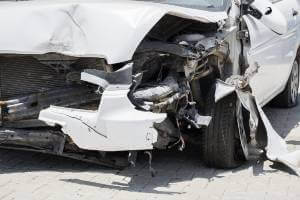
damage to front of white carMost car crashes involve two vehicles, and one driver is often the one who bears the majority or all the fault for what happened. The typical example is car 1 rear-ends car 2 or car 1 runs a red light and strikes car 2. However, sometimes more than two vehicles are involved, such as in a crash on an interstate or multi-lane highway. When these crashes happen, it is often difficult to clearly or easily assess fault.

If you were a victim of one of these crashes, it is important to discuss it with an experienced attorney. He or she can help determine if you may be eligible for compensation and if you bear any fault for what happened.

Being partially at fault does not bar you from recovering compensation. However, you can be sure the insurance company will attempt to assign you more fault than you deserve, to reduce the value of your claim. That is why you need someone in your corner fighting for your best interests.

How Do Multi-Vehicle Crashes Occur?

Often, these crashes are chain reactions – one car hits another, which hits another, and so on. There is a higher likelihood for these crashes when there is high traffic or vehicles are traveling at high speed.

When there is a lot of traffic, one driver rear-ending another could easily cause the other driver to hit the back of another car. Multi-vehicle crashes are more likely when vehicles are traveling at high speed because there is less time to slow down to avoid a collision.

In a chain reaction crash, the driver who initiated the crash often bears the majority of fault. However, it is possible for other drivers in the chain to be partially at fault. If you were following another vehicle too closely when you were rear-ended by another vehicle, you may be partially to blame, even though you may not have hit the back of the vehicle in front of you unless you were rear-ended.  There is always an argument you hit the car in front of you before you got rear-ended.

There are various reasons drivers could be assigned fault in a multi-vehicle crash, including:

  • Following too closely
  • Speeding
  • Failing to use turn signals
  • Driving a car with brake lights that were not working
  • Distracted driving, such as texting and driving
  • Government entities/public agencies that failed to properly maintain a road, causing drivers to stop abruptly to avoid obstacles

While defensive driving may help reduce your risk of getting into a crash, including a multi-vehicle crash, you cannot control what other drivers do.

Things to Remember After a Multi-Vehicle Crash

If you are ever involved in this type of collision, keep in mind that assessing fault may be very complicated. You should strongly consider meeting with a Bloomington car accident lawyer before talking to the insurance company, as they may try to trick you into blaming yourself for what happened.   Insurance companies take recorded statements from you and all witnesses before determining liability.  They want to get to you before you have legal representation so they can ask questions not normally allowed.

You may have strong reasons to believe you are to blame, at least partially. However, this is not something you should tell the insurance company or the other drivers. Discuss this with your lawyer, as these conversations are confidential.  Sometimes you may think a potential “bad fact” is relevant when it is not.  Not all facts are legally relevant.

Witnesses may be crucial in these kinds of cases, so if you are physically able, find and talk to witnesses while you are at the scene. With their permission you can record a video of your conversation on your phone.

Street or local business video footage may be available, which is another reason to strongly consider hiring an experienced attorney who will know how to obtain this footage (before it disappears) and other important evidence.

How Does Comparative Fault Apply to Multi-Vehicle Crashes?

In Minnesota, you can pursue compensation from anyone who bears less fault than you do for the crash. However, your compensation award will be reduced by your percentage of fault for the crash. For example, if you are 10 percent at fault because you were speeding slightly when the crash occurred, your compensation award would be reduced by 10 percent.   In other words, you would still be able to collect 90% of the damages you sustained.

You can discuss this law in more detail with one of the licensed attorneys at TSR Injury Law if you schedule a free consultation.

Injured in a Car Crash and Need Legal Help? Call TSR Injury Law Today

At TSR Injury Law, we know how difficult the aftermath of a car crash can be physically, financially and emotionally. We have assisted many crash victims as they sought compensation for damages. We have extensive knowledge of the legal process, including how insurance companies try to avoid paying fair compensation to crash victims.

Our firm has obtained $1 billion over more than 20 years representing injury victims in Minnesota. The consultation is free of charge. There are no upfront fees for hiring our attorneys. We do not get paid unless you get paid through a settlement or courtroom victory.

We are here to help. Phone: (612) TSR-TIME.

How Does Motorcycle Insurance Differ from Car Insurance?

desk with blank insurance applicationThere is one major difference between car insurance and motorcycle insurance in Minnesota: personal injury protection coverage. Learn how this can affect you after a crash with another vehicle.

It is important to carefully consider the coverages and coverage limits you should purchase when buying insurance. If you do not purchase enough coverage, you may be stuck paying medical bills and other expenses out of your own pocket. Medical bills from an accident can be difficult to afford, particularly when you cannot work because of a severe injury.

If you are struggling to obtain compensation after a car crash, call TSR Injury Law to schedule a free consultation. We have helped numerous car crash victims obtain compensation after an accident.

Personal Injury Protection Insurance

Minnesota is a no-fault state, which means car accident victims must turn to their own auto insurance, under the personal injury protection (PIP) coverage, no matter who is at fault for the crash.  PIP will cover medical bills, wage loss, funeral costs and costs to hire someone to perform household activities.

Minnesota mandates a minimum of $40,000 ($20,000.00 medical and $20,000.00 wage) in (PIP), but many people purchase more than the minimum required by law.

Unfortunately, Minnesota does not require motorcyclists to purchase this coverage and in fact most insurance carriers do not even sell PIP for motorcycles  (There is a small substitute for PIP for motorcycles.  It is called Medical Payments coverage (medpay).  Medpay is only for medical bills and is sold from $1,000.00 to $5,000.00 in coverages.)  Insurers are only required to provide liability insurance for motorcyclists. Liability insurance is intended to provide compensation to victims of an accident that you cause. Even if you have PIP coverage on an automobile, you cannot use it if you were injured while riding a motorcycle you own.  There is an obscure loophole if you are a passenger on a non-owned motorcycle that TSR attorneys may be able to use for your case.

The legal rationale motorcycles do not require PIP coverage is because according to Minnesota’s No-Fault Automobile Insurance Act, a motorcycle is not considered a motor vehicle. The PIP insurance mandated by this law only apply to injuries or losses that arise from the use or maintenance of a motor vehicle.

Uninsured and Underinsured Motorist Coverage

There is no telling how much insurance coverage the other driver who caused your motorcycle crash may have, or if the other driver will even have insurance coverage. Even though Minnesota requires drivers to have minimum coverage, many ignore this law. Some drivers forget to pay their premium and their coverage lapses, or they simply cannot afford insurance on top of a car payment.

No matter if you purchase medpay for your motorcycle, you should strongly consider purchasing uninsured motorist coverage to protect you if the other driver does not have insurance. (You should strongly consider purchasing both medpay and uninsured motorist coverage, as motorcycle crashes often result in significant injuries that require expensive treatment.)

Since you can only file a lawsuit for crash damages in certain situations, you may not be able to rely on filing a lawsuit to recover compensation. Even if you can file a lawsuit, if someone does not have insurance coverage, it is unlikely they will have many assets for your Minneapolis motorcycle accident attorney to go after.

Other Coverages You Should Consider

There are a variety of other coverages you can purchase for your motorcycle to help cover damages from a crash or other situation:

Collision

This provides compensation for damage to your motorcycle if you are involved in a crash with another driver or other hazards, like signs, trees or cars that are parked. You may also be able to obtain compensation to repair or replace your helmet if it gets damaged in the crash.

Comprehensive

In a no-contact accident, there might not be anyone to pursue compensation from, unless you can file a claim against the entity responsible for maintaining the road where you crashed. This is where comprehensive coverage comes in. You may be able to file a claim for compensation for a no-contact accident, such as a crash caused by falling debris or damage to your bike because of a pothole or vandalism.

Get Help Pursuing Compensation for a Motorcycle Crash

Our trusted attorneys are here to help crash victims who need compensation for the cost of medical care and other damages they may have suffered. The initial meeting with our lawyers is free of charge, as we know a crash can result in a financial crisis for many people.

Unless we recover compensation for your claim, there are no attorney fees. That means no risk to you in talking to us about your potential legal options.

Have questions and need help after a crash? Call us today at: (612) TSR-TIME

Determining Liability When a Pedestrian is Injured in a Crash

walk signal at crosswalkWhile everyone who is sharing the road needs to cautious, pedestrians need to be particularly careful because they have no seat belts, airbags or other safety measures to protect them in a crash. Pedestrians should not assume drivers see them and should stay hyperaware of traffic around them.

If pedestrians are not careful, they could not only get seriously injured, but also be found partially at fault for the crash. Below, learn more about liability in pedestrian crashes and why it may not always be so simple to determine who is at fault.

Responsibilities of Drivers and Pedestrians

As a pedestrian, state law requires you to take certain steps when you do things like cross the street. These measures are meant to reduce the risk of a dangerous crash.

For example, just like drivers, you are subject to the traffic-control signals at all intersections. If there is no signal at your intersection, drivers are required to yield to you when you cross the street in a marked crosswalk or at an intersection with no marked crosswalk.

When a pedestrian is crossing, the driver is required to remain stopped until the pedestrian has crossed the lane where the vehicle is stopped. No cars behind the lead car can pull out and attempt to overtake the lead car while a pedestrian is crossing.

It is illegal for you as a pedestrian to suddenly step off the curb or another area of safety and walk or run into a vehicle’s path when it is impossible for the driver to yield.

If you cross the road outside of an intersection, you must yield the right-of-way to all approaching vehicles. However, it is illegal to cross between adjacent intersections that both have working traffic-control signals.

If you are walking along a roadway, or in a wheelchair along a roadway, you must, when it is practical, move on the left side of the roadway or shoulder giving way to oncoming traffic. However, it is illegal to walk along the road when a sidewalk is accessible.

Fault When a Crash Occurs

Pedestrian crashes are often caused by negligent drivers. For example, they may run a red light and hit a pedestrian crossing the street. Drivers could also hit pedestrians while making a right turn on a red light and failing to yield.  This scenario occurs often because drivers look left for oncoming traffic as they turn right.  The drivers fail to also look to the right before they proceed.

However, there are times when pedestrians could be to blame. Jaywalking, which refers to crossing the street outside of a crosswalk, could result in the pedestrian being found partially at fault. When crosswalks are available, pedestrians need to use them, as they are designed to get the attention of motorists to help prevent crashes.

Pedestrians should also avoid running out into the street, particularly from between two parked cars. It can be very difficult for drivers to see pedestrians and they may not have enough time to slow down or swerve to avoid a collision.

Even if you are not hit by a car, if the driver is forced to take evasive action to avoid a crash and he or she hits other vehicles or a fixed object, you could potentially be found partially liable for the driver’s damages.

Can At-Fault Pedestrians Seek Compensation?

It is very important to note you can still seek compensation if you are partially at fault for a crash. At the scene, be careful not to admit fault. If the insurance company calls you, avoid admitting fault.  The Minnesota rule is if you are less than %50 at fault you can be compensated for the injuries you receive.

Even though you may be somewhat to blame for the crash, it is better to let the investigation play out. If you say it was your fault from the start, it may be more difficult to refute this later.

The attorneys at TSR Injury Law are prepared to review your situation in a free consultation to determine if you may have been at fault and if you may still be eligible to seek compensation. Even if you have some fault, we are committed to building a strong case to try to prevent the insurance company from assigning you more fault than you deserve.

Injured in a Pedestrian Crash? Call TSR Injury Law for a Free Consultation

Your injuries could affect you for a long time – potentially the rest of your life. That is why talking to an experienced attorney is so important during this difficult time. He or she may be able to secure compensation for your medical treatment and other damages.

Our Bloomington auto accident lawyers offer a free, no-obligation legal consultation. That means there is no risk to you in reaching out to find out how we may be able to help. Our firm has recovered $1 billion in compensation on behalf of our clients.

We are not paid unless you get paid. Call (612) TSR-TIME today.

How Important is the Police Report After a Car Crash?

One of the first thoughts many car crash victims have in the moments after the crash is about calling the police. Victims want police officers at the scene to investigate, issue traffic citations and complete a report on the crash.

While it is true that it is important to call the police after a crash, particularly if you want to have a chance of obtaining compensation for your vehicle or body damages, there are limitations to police reports. Below, learn more about how police reports can help car crash claims and some of the limitations.

Our Bloomington auto accident attorneys offer a free legal consultation to discuss your crash and the damages you have suffered. We understand what car crash victims go through because we have helped so many obtain compensation for car crash damages. The consultation is free and comes with no legal obligations, which means no risk to you.

How a Police Report Could Help Your Claim

A police report provides an unbiased, third-party account of a crash, and police officers’ accounts of crashes are often considered reliable. People who witnessed the crash are also more likely to talk to police officers about what they saw because they often trust the police.  The witness’ recollection is also best right after the crash versus several weeks or months later.  The at fault party may also “admit” what they did at the crash scene, but later have a change of heart and start to forget or change their story.

Police reports provide basic details about the situation, including things like the weather, date, time, damage to the vehicles, road conditions in the area, traffic citations that were issued and contact information for witnesses. Sometimes police reports contain the responding officer’s opinion about who was at fault for the crash.

Police reports are often used in the insurance claims process, as they provide a lot of information that can be used in your demand letter for compensation.

While every insurance policy is unique, there may be a requirement to file a police report in order to obtain compensation. In fact, there are several Minnesota policies that will not allow a claim unless a police report is filed.  The State of Minnesota also requires you to file a police report when a crash fits certain criteria.

However, even if you are unsure if the crash fits these criteria, you should err on the side of caution and call the police anyway. Your injuries could be much worse than you initially realize. Crash victims have a tendency to minimize the severity of their injuries, unless there is a lot of blood or there are broken bones.   Even a basic description of an injury at the crash scene helps explain later pain and treatment that was needed.  Of course, medical records will have details about the injury, but the report can buttress the other records.

A police report helps to connect your injury to the crash. Without a police report, the insurance company is likely to question whether your injury happened in the crash or in another incident.

Limitations of Police Reports

Unfortunately, police reports generally cannot be admitted as evidence in a trial. These documents are considered hearsay, as the police officer has no direct knowledge of the crash. The report is not as reliable as an account from someone who was either involved in the incident or actually witnessed it.   However, the police report can be used to refresh an officer’s memory, so they can testify with a better memory of the events that usually took place years before.

While there are limitations to a police report, most car crash claims are resolved through an insurance company settlement. That means most crash victims do not need to go to trial to recover compensation for their damages.

Injured in a Car Crash? Call Today to Discuss Your Situation with a Licensed Lawyer

After calling the police and seeing a doctor, an important next step is talking to an experienced attorney about your crash. You may be eligible for compensation for damages as the crash may have been caused by another driver’s negligence, such as drunk or distracted driving.

Your free initial consultation is a chance to learn more about how we may be able to assist you during this difficult time. You are not under any obligation to hire our attorneys to represent you if we validate your claim. That means no risk to you in meeting with us.

Call us as soon as possible to set up a free legal consultation. Phone: (612) TSR-TIME.

Liability in Right-Turn Car Crash Claims in Minneapolis

white arrow painted on roadWhile left turns are more dangerous, plenty of crashes occur when drivers turn right. One way this could happen is if drivers pull out into traffic at the wrong time, especially if the approaching driver is speeding.

The Minneapolis car crash lawyers at TSR Injury Law discuss who is at fault in a right-turn accident in Minneapolis. Many factors must be evaluated, including whether the driver in the oncoming car may be partially at fault.

Insurance companies like to blame victims of these crashes, which is why you need an experienced lawyer to manage your case. At TSR, our services come with no upfront fees. We are not paid unless our clients get paid.

Contact us after a crash to set up a free consultation. Call (612) TSR-TIME.

What is a Right-Turn Accident?

Right-turn accidents may occur when one driver attempts to make a right turn and collides with an oncoming car. These crashes usually happen at intersections, but they are also common in parking lots.

What Causes Right-Turn Crashes in Minneapolis?

Right-turn crashes are typically the result of a driver turning into oncoming traffic. While the driver may have checked for traffic, he or she misjudged the time needed to make the turn or the distance his or her vehicle was from oncoming traffic. Drivers may often make these mistakes when they are distracted or in a rush.

Even when drivers know oncoming traffic is a little too close, they may try to make the turn as fast as possible. Unfortunately, oncoming vehicles might not be able to slow down or stop in time. Some drivers make the turn and slowly accelerate, making it that much harder for oncoming drivers to avoid a collision.

Oncoming drivers may cause right-turn accidents because they are distracted or going over the speed limit. Sometimes an oncoming driver could cause a right-turn crash by changing lanes while a driver starts to turn. In this situation, the right-turning driver might not have seen the oncoming vehicle changing lanes in time to stop.

While victims in right-turn crashes are often drivers, pedestrians and bicyclists could also get hit by a car making a right turn. Drivers must look for bicyclists and pedestrians, especially in blind spots, when pulling forward to make a right turn.

If a driver blocks a crosswalk, he or she could force pedestrians and bicyclists to move out into the intersection to continue crossing the street, putting them at risk of getting hit by oncoming cars.

Sometimes right-turning drivers look left for oncoming traffic but fail to also look right for pedestrians who are in the crosswalk.

Who is Usually at Fault in a Car Crash?

The driver who broke the rules of the road is often found at fault for a car crash. For example, maybe the driver exceeded the speed limit, ran a red light, violated another driver’s right of way, or followed another car too closely. If one of the drivers involved in a car is issued a citation by the police, that driver is probably going to bear most, if not all, of the fault for the accident.

How Does Minnesota Assign Fault For a Right-Turn Crash?

In Minnesota, fault for car crashes and other types of personal injury accidents is assigned based on negligence. The negligent at-fault party can be held liable for damages.

Negligence refers to a breach of a duty of care, such as the duty to obey the speed limit and other rules of the road. The breach of duty must be the cause of the crash. The crash must also be directly linked to the injuries and damages suffered by the victim.

It is important to remember that Minnesota is a no-fault state when it comes to car accident claims. That means victims first seek compensation from the no-fault coverage in their own insurance policies, no matter who caused the crash.

The other driver may still be at fault. However, victims cannot step outside of the no-fault system to file a liability claim or lawsuit unless their injuries and damages cross a certain threshold.

What You Need to Know About Fault For a Minneapolis Right-Turn Collision?

Many right-turn accidents happen when drivers attempt to turn right on a red light. The driver who was turning right is usually at fault because oncoming traffic has the right of way and turning drivers must yield. Turning drivers can also be at fault if they get into a crash while turning at an intersection where red light turns are prohibited.

These are the general rules about fault for right-turn crashes. However, there are exceptions when oncoming drivers may be at fault.

For example, if an oncoming driver was speeding, he or she might be partially at fault. If an oncoming driver changed lanes while in the intersection and crashed into a right-turning driver, he or she could be at least partially liable for damages.

Sometimes a driver turning right on a green light may get hit by an oncoming driver who ran a red light. In this situation, the red-light running driver could be held fully liable for the crash.

Oncoming drivers could also share fault for a right-turn crash if they were distracted. For example, maybe an oncoming driver was texting while going through an intersection. Even though the right-turning driver did not have the right of way, the distracted driver may be partially at fault.

What Happens if the Parties in a Crash Are Partially at Fault?

In Minnesota, you can pursue compensation after a car crash if you are less than 50 percent at fault for what happened. In other words, if you are more at fault than the other driver, you are barred from recovering compensation for your injuries or vehicle damages.

If you are found partially at fault, but less than 50 percent, the total value of your compensation will be reduced according to the percentage of fault you are assigned. An example of this is if a driver was found to be 10 percent at fault for a crash due to speeding. This individual would see any compensation awarded reduced by 10 percent.

Even if you believe you are partially at fault for the crash, you should discuss your situation with a licensed attorney. You should not rely on the insurance company to make an accurate assessment of your fault for a crash. Insurers often try to assign more fault for a crash than should rightly be assigned. Insurers are for-profit businesses and will look for any way to reduce the amount of compensation paid to crash victims.

What You Should Do After a Right-Turn Accident

If you were injured in a right-turn car crash in Minnesota, there are steps you should take for your health and safety, as well as your potential legal claim.

Dial 9-1-1

Tell the dispatcher what happened and that you need assistance. The dispatcher can help you determine if you need an ambulance to join the police at the scene. When the police arrive, they can help secure the area. That way oncoming traffic will not be too close to you or the other driver. The police can also investigate the accident, talk to you and the other driver, and draft an accident report.

Move Your Vehicle Out of the Flow of Traffic

If possible, move your vehicle out of the flow of traffic. The last thing you want is to get hit by an oncoming car. You may want to turn your hazard lights on to help alert approaching drivers to your stopped vehicle.

Be careful about exiting your vehicle. You do not want to be walking too close to passing traffic. You could get clipped by a car and suffer further injury.

Document the Crash Scene

This is not your highest priority. Your lawyer can gather evidence on your behalf. However, if possible, you can take pictures just minutes after the crash. You can also exchange information with the other driver, including insurance information. If there are any witnesses, you can note their names and contact information.

You should only take these steps if it is safe to get out of your car and walk around the crash site. You do not want to be up walking around if you think you might aggravate your injuries.

Go to the Hospital For Treatment

It is generally best to go straight to the hospital from the scene of the crash. You might think your injuries will heal on their own, but you could be wrong. For instance, severe internal injuries after a crash are extremely common. You should never take any car crash injury lightly.

Right-turn crashes can cause severe injuries, including:

  • Traumatic brain injuries
  • Whiplash
  • Spinal cord damage
  • Back injuries
  • Rotator cuff injuries
  • Shoulder injuries
  • Hip injuries
  • And more

You need to seek immediate medical treatment after your right-turn crash so your injuries can be diagnosed and stabilized. This is not only important for your health, but also for your potential compensation claim. Seeking immediate treatment demonstrates a connection between your injury and the crash.

Avoid Saying Too Much to the Insurance Company

If the insurance company calls you after a right-turn crash, you should avoid revealing too much. You can write down what you remember about the crash as soon as possible and discuss things with an attorney before talking to the insurance company. If you wait to write down what you remember, you could easily forget.

Contact an Experienced Attorney

Consulting with an attorney before giving an insurance statement could greatly benefit a crash victim. Since the consultation is free, there is no reason not to seek legal help before talking to an insurance company.

The attorneys at TSR Injury Law have many years of combined experience helping victims of a variety of crashes. We know how to assess whether you have a valid claim and whether you may be partially at fault for a crash.

We are prepared to seek maximum compensation for the damages you suffered in your right-turn crash, which could include:

  • Medical treatment right after the crash
  • Follow-up medical care
  • Lost wages
  • Loss of earning capacity
  • Future medical care
  • Prescription medications
  • Medical testing
  • Pain and suffering
  • And more

Have Questions About Legal Options? Call TSR Injury Law Today

We understand crash victims often have a lot of questions about the legal process. We have helped numerous crash victims over more than 20 years in practice, recovering millions in compensation on their behalf.

There is no cost or obligation to meet with us to discuss your crash and whether you may have a valid claim for compensation. We welcome your call, and there is no risk to you.

Even if you were partially to blame for a right-turn crash, you may still be eligible to pursue compensation.

Call (612) TSR-TIME or fill out an online form and we will be in touch shortly.
Hit-and-Run Crashes in Minneapolis Rarely Result in Arrests

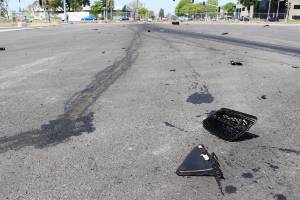
road after hit and runThe police responded to more than 4,000 hit-and-run complaints in 2019 alone, unfortunately, data from the Star Tribune shows arrests were made in less than one percent of cases. The Fifth Precinct in southwest Minneapolis had the lowest arrest rate for these crashes, while all five had similar percentages of arrests.

According to police department officials and city council members, the low number of arrests is partly because of the absence of a dedicated traffic unit for high-collision areas and drunken or distracted driving or speeding. Unfortunately, the council voted down a proposal to apply for a $1.3 million federal grant to help the city with traffic enforcement.

There is an ongoing debate about whether installing traffic cameras and working to engineer safer roads would be better for increasing safety than simply adding more police officers to enforce laws.

Police Policy on Hit-and-Run Crashes

In 2012, the Minneapolis Police Department instituted a policy that hit-and-run crashes should only be investigated if there were serious injuries or fatalities. Staff cuts had forced the department’s traffic unit to focus only on the more serious crashes.

Star Tribune data shows the police arrested a suspect in just 31 of 4,234 cases, a rate of 0.7 percent. Over the past five years, the police made an arrest over a hit-and-run crash in approximately seven percent of cases. If there were injuries, the arrest rate was 10 percent.

Minneapolis PD has just four traffic investigators – for comparison, they had 24 in the late 90s. These investigators are tasked with looking into hit-and-run crashes, police pursuits and crashes involving police and other city vehicles.

However, minor hit-and-run crashes and other minor crashes are usually managed by patrol officers. All five police precincts have traffic response cars for complaints about hit-and-run crashes, drivers ignoring stop signs, or speeding in areas where children commonly play.

There has also been a shift in the approach of police officers. They are trying to be more data driven in making traffic stops. Between 2010 and 2017, traffic stops declined by about 70 percent, going from 92,400 to just 29,150.

Reasons for Hit-and-Run Crashes

According to research, alcohol and drugs are common reasons why crashes happen and why drivers may decide to leave the scene.

In some cases, those who leave may be afraid they have more to lose if they wait for the police to get there. This may be particularly true if the driver has a suspended license, arrest warrant, or lapsed insurance policy.

Some of the other reasons people may flee the scene include, weather, traffic or whether there is a nearby location for drinking alcohol.

City Campaign for Traffic Safety

Our city has started a campaign to promote traffic safety, not just for drivers, but bicyclists and pedestrians as well.

In March, city officials revealed the speed limits on arterial and residential streets will be reduced next year as part of the Vision Zero program, which has a goal of eliminating all traffic deaths by 2027 using education, traffic enforcement and improved street design. Next year, the speed limit on arterial streets will be reduced to 25 miles per hour and the speed on residential streets will be reduced to 20 miles per hour.

Injured in a Hit-and-Run Accident? Call TSR Injury to Discuss Legal Options

Whether the police investigate the crash or not, you may be able to obtain compensation for your damages through an insurance claim. As these claims can be quite complicated, it is important to contact a trusted Minneapolis car accident lawyer.

At TSR Injury Law, we offer a free legal consultation to hit-and-run crash victims to discuss if you may be eligible for compensation for damages. We have extensive knowledge of Minnesota insurance regulations and coverages for hit-and-run crashes.

We charge no upfront fees for representing our clients. Call (612) TSR-TIME today.

Evidence that May Show a Driver Was Distracted

distracted driver using phoneMany crashes are caused by distracted driving, but how do you prove the other driver who hit your car was texting while driving?

Below, learn more about the many forms of evidence that may help establish another driver was texting, eating or otherwise distracted. Our experienced Minneapolis car accident lawyers are prepared to conduct an investigation and gather evidence to help you establish your claim and eligibility for compensation.

Possible Evidence of Distracted Driving

There may be various things that can show your crash was caused by inattention or distraction, such as:

What You See at the Scene

The moments after a crash are often the most critical. It is important that you try to stay calm and objectively evaluate the crash. If your injuries are too serious, it is impossible to investigate the scene.  Maybe someone else around the crash could help.  If you are physically able you should try to document the situation.  Take pictures of various angles of the crash scene. Take pictures of the ground to show skid marks or the lack thereof. Also, take pictures of the damage to the vehicles, as this may indicate what the other driver was doing in the moments before the crash.

If you saw the other driver on the phone, eating or otherwise distracted, report this to police when they come to the scene. If it is safe to do so, try to take a peak in the driver’s vehicle for any signs of distraction, such as makeup or food being strewn about the front seat.

Eyewitnesses

Other people may have observed the driver engaging in distracted driving. If any witnesses were present before the crash, such as pedestrians, people in other vehicles or passengers, be sure you ask for their contact information. Your lawyer can contact them later and get their official statements.

Cellphone Records

Your lawyer may be able to obtain the other driver’s cellphone records, which may show if the other driver had just made or taken a call or sent or received a text message before the collision. Cellphone records should show the date and time of this activity.

In some situations, law enforcement may inspect the driver’s phone at the scene of the crash or keep it for evidence.

Social Media Activity

Your lawyer may also be able to obtain evidence of social media activity, such as a picture or post being made just before the crash or other Internet activity.

Police Reports

It is essential that you call police after a crash, especially if you think it was due to distracted driving. This can help ensure that an investigation is done. The law enforcement officer may provide an opinion about the cause of the crash for the accident report.

The officer may gather valuable information during this investigation, such as:

  • The speed the other driver was driving at the time of the crash
  • Whether the other driver braked
  • The driver’s admission of being distracted
  • A witness’ observation of the driver’s distraction
  • What the officer found on the other driver’s cellphone

Traffic Camera Footage

Many cities install traffic cameras to help detect red light running and other traffic violations. These cameras may have recorded the other driver and his or her distracted behavior prior to the crash.

Minnesota Laws on Distracted Driving

Minnesota law specifically bans reading, composing or sending text messages and emails or accessing the Internet while using a wireless device while the vehicle is in motion or a person is driving. School bus drivers cannot use a cellphone while working. Additionally, teen drivers cannot use cell phones while they have a permit or provisional license.

Instead, Minnesota drivers are only allowed to touch their cellphones once or must use voice-activated commands when trying to send a message, make a call, get directions or listen to music.

Drivers can only hold a phone in their hand if there is an emergency or life-threatening situation.

Contact Us for a Free Consultation

If you were injured in a car crash and you believe distracted driving was behind it, there may be evidence to support your claim. Our experienced lawyers at TSR Injury Law know how to help you establish your claim. We may also recommend hiring an expert witness or crash reconstructionist who can provide testimony about how the collision occurred.

We do not charge a fee unless and until you receive compensation. We provide a free and confidential consultation so you can learn about your legal rights and options.

Reach us by phone at (612) TSR-TIME.