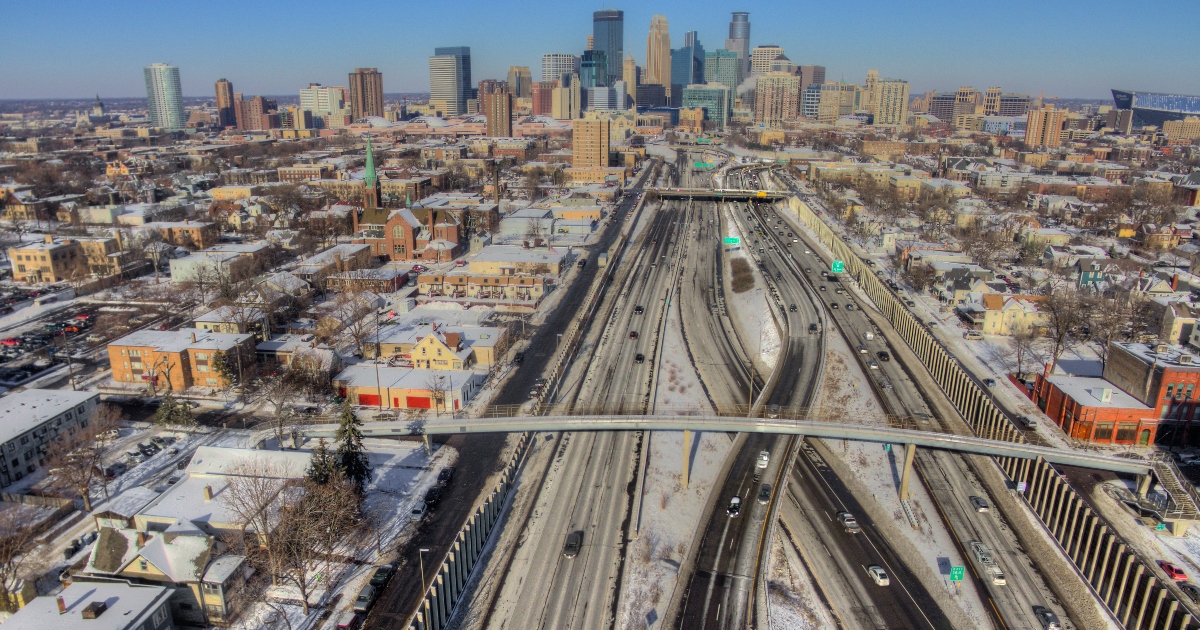
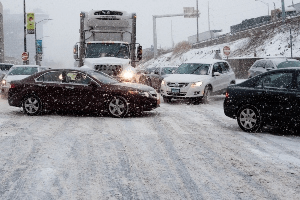
It only takes one driver error to cause a multi-vehicle pileup during a Minnesota snowstorm. Whiteout conditions accompanied by frigid temperatures cause black ice to form while also reducing driver visibility. Adding inexperienced, careless, or negligent drivers to treacherous road conditions is a dangerous combination that can quickly result in a winter pileup crash involving as many as five, ten, or even twenty vehicles, making it nearly impossible for drivers to escape once the collision starts.
TSR Injury Law represents Minnesota drivers injured in multi-vehicle pileup crashes. Chain reaction crashes are especially complex and difficult cases to manage without the help of a knowledgeable and experienced attorney. There are typically multiple parties who may share some degree of fault, which means there are also multiple insurance companies trying to devalue or deny your claim.
Why call TSR Injury Law? Our experienced legal team in Minneapolis doesn’t take no for an answer from the insurance companies. We have the resources to work tirelessly on your behalf to identify all negligent drivers responsible for your damages. When we determine who caused the crash, we fight to secure the full compensation you deserve.
Call our trusted law firm today to request your free consultation. (612) TSR-TIME
What Is a Multi-Vehicle Crash and Is It the Same as a Chain Reaction Crash?
A multi-vehicle crash is a general term used to describe any collision involving three or more vehicles in the same incident. A chain-reaction crash is always a type of multi-vehicle accident, but not all multi-vehicle crashes happen as part of a chain reaction.
Chain-reaction crashes occur when an initial collision triggers a series of subsequent impacts, often starting with a rear-end crash that creates a domino effect. In Minnesota snowstorms, a single vehicle sliding on black ice can set off this chain reaction. Drivers approaching the initial crash often cannot stop in time due to reduced visibility and slick road conditions.
A multi-vehicle pileup may involve a chain reaction, but it can also occur when multiple vehicles lose control at the same time, such as at an icy intersection or on a snow-covered highway.
Why Do Minnesota Snowstorms Create a Greater Risk for a Multi-Vehicle Pileup?
Minnesota’s harsh winter weather creates a perfect storm of dangerous driving conditions, significantly increasing the risk of multi-vehicle pileups. Snowstorms can intensify quickly, turning busy Minnesota highways into crash zones within seconds.
Several factors combine to make these accidents more likely and more severe:
- Whiteout Conditions: Heavy snowfall reduces visibility to near zero, making it difficult or impossible to see stopped or slowing vehicles ahead.
- Black Ice Formation: Freezing temperatures create nearly invisible ice patches that cause drivers to lose control without warning.
- Rapid Weather Changes: Snowstorms can intensify quickly, catching drivers off guard before they have time to slow down or pull off the road.
- High-Speed Highway Travel: Drivers traveling at interstate speeds during snowstorms have little time to react when traffic suddenly stops.
- Reduced Traction: Snow and ice prevent tires from gripping the road, making braking and steering far less effective.
- Following Too Closely: Drivers who fail to leave enough space between vehicles cannot stop in time when the vehicle ahead crashes.
What Makes a Multi-Vehicle Snowstorm Pileup So Complex?
Multi-vehicle pileup cases involve far more challenges than typical two-car accidents. Winter weather conditions add layers of difficulty to an already complicated legal situation. Proving your case requires skilled legal representation to cut through the chaos and hold negligent drivers accountable.
- Multiple Liable Parties: Three or more drivers may share responsibility, but snowstorm conditions make it nearly impossible to prove which driver acted most negligently.
- Conflicting Witness Statements: Whiteout conditions mean drivers have varying accounts of what they saw, or the weather may be so bad that no one involved can clearly identify who lost control first.
- Multiple Insurance Companies: With multiple insurers involved in the case, they may push hard to blame the snowstorm rather than their policyholders’ dangerous driving.
- Weather as a Defense: Drivers who were driving recklessly or speeding may try to blame the crash on the snowstorm.
- Limited Evidence: Heavy snow buries skid marks within minutes, and snowplows may clear the scene before investigators are able to document critical road conditions.
- Shared Fault Arguments: Insurance companies may also argue that you should have stayed off the road entirely during the snowstorm.
- Chain of Causation Issues: When visibility is zero and multiple impacts happen simultaneously, proving which specific collision caused your injuries becomes extremely difficult.
How Is Fault Determined for a Multi-Vehicle Pileup Caused by a Snowstorm?
Determining fault after a Minnesota snowstorm multi-vehicle pileup requires a detailed investigation into each driver’s actions in the moments leading up to the crash. While winter weather plays a role, bad conditions do not excuse negligent driving. Minnesota law requires drivers to adjust their speed, following distance, and driving behavior based on road conditions.
- Police Reports and Crash Investigation: Law enforcement officers responding to the scene interview the drivers involved and any available witnesses. They assess vehicle positions, damage patterns, and road conditions to reconstruct how the pileup occurred. If officers determine that a driver violated traffic laws, they may issue citations, which can help support an injury claim.
- Driver Duty of Care in Bad Weather: Minnesota drivers are not relieved of their legal duty to drive safely simply because the weather is poor. They are still required to operate their vehicles with reasonable care, which includes slowing down, increasing following distance, and pulling over if conditions become too dangerous. Drivers who fail to adjust their behavior during snowstorms are in breach of their duty of care.
- Evidence From the Scene: Investigators attempt to document the crash scene quickly before snow covers critical evidence. Photographs, video footage, dash camera recordings, traffic camera footage, and witness cell phone videos can help establish how the pileup started. Tire marks, vehicle damage, and final resting positions also play a key role in determining fault.
- Chain of Causation Analysis: Establishing liability often involves tracing the sequence of impacts to determine which driver’s negligence set the pileup in motion. The first driver who lost control may not be the only liable party. Drivers who were speeding, distracted, or following too closely for conditions may share responsibility for the resulting injuries.
How Does Minnesota’s No-Fault Insurance Apply to a Multi-Vehicle Pileup?
Under Minnesota’s no-fault insurance system, your own insurance company is required to pay for certain losses after a multi-vehicle snowstorm pileup, regardless of who caused the crash. This coverage includes medical expenses and a portion of lost wages.
Your Personal Injury Protection (PIP) coverage pays these benefits up to your policy limits, even when multiple drivers share fault for the accident. PIP benefits are designed to provide immediate financial relief while liability issues are still being investigated.
However, Minnesota’s no-fault system has important limitations in multi-vehicle pileup cases. If your injuries meet the state’s serious injury threshold, you may step outside the no-fault system and pursue a personal injury claim against the negligent drivers who caused the crash.
TSR Injury Law helps injured Minnesotans navigate both their no-fault insurance claim and any third-party personal injury claims. Our goal is to maximize all available sources of compensation while protecting you from common insurance pitfalls.
Insurance Challenges You May Encounter After a Snowstorm Multi-Vehicle Crash in Minnesota
Victims of multi-vehicle snowstorm pileups often face aggressive tactics from insurance companies attempting to deny or reduce claims. When multiple insurers are involved, each company works to limit its own financial exposure, which can significantly delay or reduce compensation for injured drivers.
- Blaming the Weather: Insurance adjusters may argue that no driver was at fault, claiming the snowstorm alone caused the crash. This tactic is often used to deny liability altogether, even when drivers failed to adjust their behavior for road conditions.
- Low Settlement Offers: Insurers frequently make quick settlement offers that may appear reasonable at first but cover only a fraction of total medical expenses, lost income, and long-term damages.
- Shifting Blame Between Drivers: In multi-vehicle crashes, insurance companies often point fingers at other drivers involved. This blame-shifting creates disputes that stall claims and leave injured victims without timely compensation.
- Delays in Claim Processing: With multiple drivers and insurers under investigation, claims may remain unresolved for months while medical bills and financial stress continue to grow.
- Policy Limit Issues: When several people are injured in a pileup, determining which driver caused specific injuries becomes more difficult. Even when fault is established, available insurance coverage may be exhausted quickly, limiting the compensation available to some victims.
- Pressure to Accept No-Fault Benefits Only: Insurance companies may discourage injured drivers from pursuing compensation beyond their PIP coverage, even when injuries qualify for a personal injury claim under Minnesota law.
- Disputes Over Injury Severity: Adjusters may downplay the seriousness of injuries or claim they are unrelated to the crash, sometimes relying on insurance-selected medical opinions to challenge legitimate treatment.
Frequently Asked Questions After a Multi-Vehicle Pileup Caused by a Minnesota Snowstorm
Can victims injured in a multi-vehicle pileup caused by a Minnesota snowstorm still sue?
Yes. If your injuries meet Minnesota’s serious injury threshold, you may pursue a personal injury claim against the negligent drivers who caused the pileup. Qualifying injuries include permanent injuries, disfigurement, or medical expenses exceeding the statutory threshold. An experienced Minnesota personal injury lawyer can help you step outside the no-fault system and pursue full compensation.
Who is at fault for a winter chain-reaction crash?
Fault depends on each driver’s actions leading up to the crash, not simply the weather conditions. The driver who caused the initial collision often bears primary responsibility. However, other drivers who were speeding, following too closely, or driving recklessly for conditions may also share liability for resulting injuries.
Are snow-related accidents considered “at-fault” crashes in Minnesota?
Yes. Snowstorm-related accidents are still considered at-fault crashes when drivers act negligently. Minnesota law requires drivers to adjust their speed, following distance, and overall driving behavior for hazardous conditions. Drivers who fail to do so may be held liable for causing multi-vehicle pileups.
Why Call TSR Injury Law After a Multi-Vehicle Pileup From a Minnesota Snowstorm
A multi-vehicle snowstorm pileup can leave you facing serious injuries, mounting medical bills, and uncertainty about who is responsible. TSR Injury Law handles the complex legal challenges involved in these cases so you can focus on your health and medical recovery.
Our experienced Minnesota car crash lawyers thoroughly investigates every driver involved, works with accident reconstruction professionals when needed, and takes on multiple insurance companies at once. We know how insurers attempt to shift blame to the weather, and we are prepared to counter those defenses by proving their policyholder’s negligent driving caused your injuries.
Time is critical in Minnesota snowstorm pileup cases. Evidence can quickly disappear under snow and ice, and key details may be lost without immediate action. We act fast to preserve dash camera footage, obtain police reports, interview witnesses, and document road conditions before they are altered or cleared away.
Do you need legal help after being injured in a winter multi-vehicle crash in Minnesota? At TSR Injury Law, your initial consultation is completely free. There are no upfront costs or out-of-pocket fees to pay. We handle car accident cases on a contingency fee basis, which means we only get paid if we recover compensation for you.