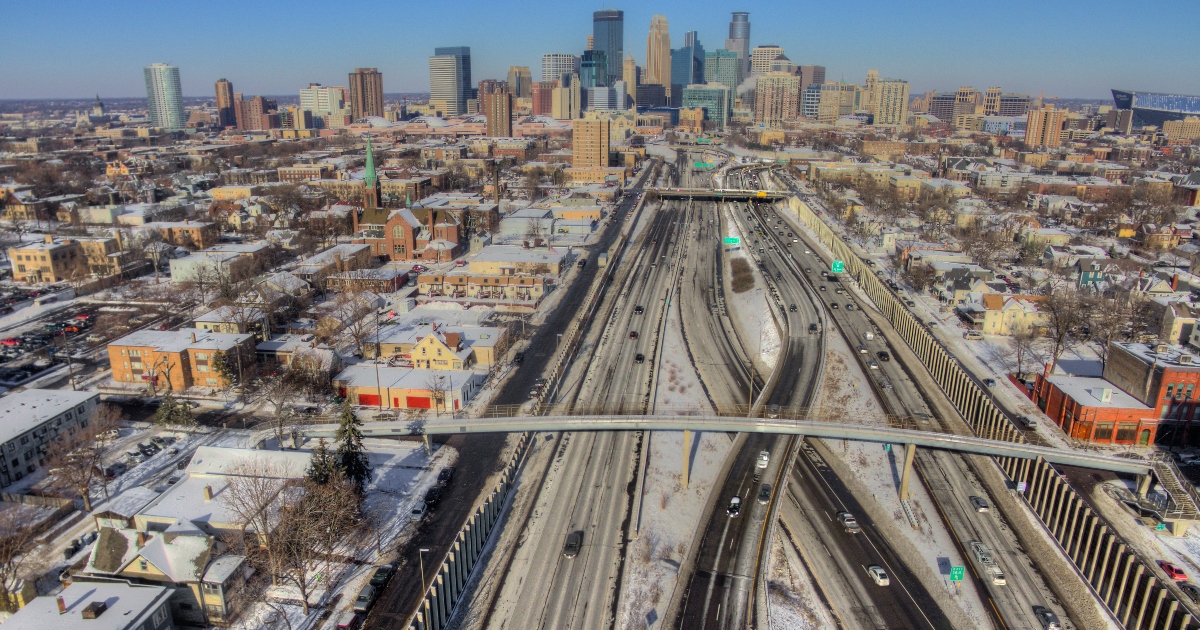
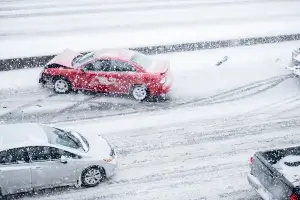
Drunk drivers increase the risk of devastating chain reaction crashes on highways and other heavily trafficked roads in Minnesota during the holidays. Heavy traffic, winter weather, and impaired drivers create a dangerous combination of conditions where one mistake can trigger collisions involving multiple vehicles.
Chain reaction cases require immediate accident reconstruction and preservation of crash scene evidence. Skid marks fade, surveillance footage gets overwritten, and vehicles get repaired. Witnesses may only be visiting for the holidays and returning home, which means they will soon forget critical details or be unavailable.
At TSR Injury Law, our experienced car crash attorneys are ready to get to work from day one. We work hard to hold drunk drivers accountable for their actions, and we do not back down from aggressive insurance companies trying to minimize your claim.
Injured in a chain reaction crash caused by a drunk driver? Call TSR Injury Law for a free case review today. (612) TSR-TIME
How Does Drunk Driving During the Holidays Lead to Chain Reaction Crashes on Minnesota Roads?
When drivers get behind the wheel while intoxicated, it affects their ability to scan and see road hazards in time to react. Whether “buzzed,” drunk, or even badly hungover, impaired drivers don’t have the judgment or reflexes needed to navigate busier holiday traffic safely.
When an impaired driver makes a critical error on a crowded highway, everyone else sharing the road is affected. Vehicles behind them have only seconds to react. In short, one drunk driver’s mistake instantly cascades through multiple vehicles, especially during heavier commute times, as each driver reacts and tries to avoid the collision ahead. Minnesota’s winter road conditions and heavy holiday traffic turn these initial crashes into multi-vehicle disasters.
Impaired Reaction Time Creates Domino Effects
Drunk drivers process information slower than sober drivers. Their reaction time is slowed, so they fail to brake in time, swerve unpredictably, or stop suddenly without warning. Other drivers cannot anticipate erratic movements. When a drunk driver causes the initial impact, other vehicles traveling behind or in adjacent lanes may be unable to stop fast enough, especially when road conditions are bad.
Heavy Holiday Traffic Leaves No Room for Error
Minnesota highways fill with travelers travelling to families across the state or even further during Thanksgiving, Christmas, and New Year’s. More vehicles on the road means less space between cars, and there are always impatient drivers on the road who tailgate other vehicles – even in bad weather. Drunk drivers misjudge following distances and fail to maintain safe speeds for road, weather, or traffic conditions. When they cause a crash in heavy traffic, the vehicles behind them often have nowhere to go. Dense traffic prevents escape routes that might exist during normal conditions.
Winter Road Conditions Amplify the Damage
Ice and snow on the roads eliminate the margin for error, and Minnesota gets its fair share of winter weather during the holidays. Drunk drivers already struggle with slowed coordination and impaired judgment. Adding slippery roads and heavy traffic to the mix creates a combination of high-risk conditions.
When drunk drivers brake, they are more likely to slam on the brakes hard and lose control. Other drivers trying to avoid the drunk driver may also lose traction. What might be a two-car accident in dry conditions becomes a ten-car, catastrophic pileup on icy highways.
Who Pays if a Drunk Driver Causes a Multi-Vehicle Pileup?
The drunk driver who caused the initial collision bears primary responsibility for all resulting damages. Under Minnesota law, the investigation will determine the contribution of all drivers, but the at-fault driver can be held liable for the entire chain of events they set in motion. Even if other vehicles collided with you, the drunk driver’s negligence triggered the sequence.
Drunk Drivers May Not Be Adequately Insured
Drunk drivers often carry minimal (or no) insurance coverage. If there are multiple victims who suffer serious injuries in a chain reaction crash, the at-fault driver’s policy limits may not be enough to cover everyone’s damages. This is a situation where your uninsured and underinsured motorist coverage can help to provide you with the additional compensation you need. Minnesota’s no-fault insurance also helps, as it covers your immediate medical expenses and wage loss, no matter who caused the crash.
Some chain reaction crashes may involve multiple at-fault parties. If another driver contributed to the pileup through their own negligence, they may share liability. Your attorney will investigate each collision within the chain to identify all parties who contributed to the crash.
Complex liability issues arise when determining how much each party owes, and each insurance company involved will likely argue about who caused what damage. Insurers will attempt to shift blame to minimize what they have to pay out on any claim.
Understanding Your Legal Rights After a Chain Reaction Crash in Minnesota
Insurance companies count on crash victims not knowing their legal rights. They use the confusion surrounding multi-vehicle collisions to minimize payouts and shift blame. When multiple drivers and insurance companies are involved, victims often accept less than they deserve simply because they don’t understand what they’re entitled to recover.
You Can Hold the Drunk Driver Accountable
You have the right to pursue the drunk driver whose negligent actions initiated the chain reaction crash. Your attorney can investigate the crash to determine whether this driver is the primary liable party and help you take legal action to recover your losses.
Multiple Insurance Policies May Apply
Your own auto insurance provides no-fault benefits and uninsured/underinsured motorist coverage. The drunk driver’s insurance covers your damages beyond no-fault limits. If one or more other drivers also contributed to the crash, their insurance policies may provide additional compensation. Your attorney can determine which policies apply and make sure you are fairly compensated for your damages.
You Can (and Should) Reject Quick Settlement Offers
Insurance companies approach chain reaction crash victims within days, hoping to settle before you understand the full extent of your injuries. It is important to understand that you have no obligation to accept early offers or give recorded statements. Initial settlements typically do not account for all your losses, which could leave you paying for hundreds of thousands out of your own pocket. Minnesota law gives you time to fully assess your damages before making any settlement decisions.
Legal Representation Protects Your Rights
Insurance adjusters may try to suggest you don’t need an attorney or that hiring one will delay your claim. These insurance tactics discourage you from getting help that would increase your recovery. Multi-vehicle collisions involving drunk drivers require experienced legal guidance to navigate complex liability issues and maximize your compensation.
What it Takes to Prove the Drunk Driver Initiated a Multi-Vehicle Collision
Proving the drunk driver is the primary party responsible for initiating a chain reaction collision requires a thorough investigation and compelling evidence. Insurance companies for other involved drivers will argue their clients simply reacted to the drunk driver’s actions and bear no fault.
Your attorney will need to establish not only the drunk driver’s fault, but also the contributing liability of other drivers involved, while also ensuring you are not unfairly assessed with liability.
Strong evidence that supports your claim for compensation may include:
- Police Reports and Chemical Test Results: Official documentation showing the driver’s blood alcohol content and field sobriety test failures will help to establish impairment at the time of the crash.
- Accident Reconstruction Analysis: Experts recreate the collision sequence using skid marks, vehicle damage, and final resting positions to prove the drunk driver initiated the chain reaction.
- Witness Statements: If other drivers and bystanders observed the drunk driver’s erratic behavior before and during the crash, their statements will also help to supports your claim.
- Traffic Camera and Dashcam Footage: Video evidence, if available, may capture the drunk driver’s actions leading to the initial impact, showing exactly how the chain reaction unfolded.
- Vehicle Data Recorders: Black box data from vehicles involved reveals speeds, braking patterns, and steering inputs that may help to prove the drunk driver caused the initial collision.
- Timeline of Events: A detailed chronological reconstruction may help to demonstrate how each collision in the chain reaction resulted directly from the drunk driver’s negligent actions.
- Expert Testimony: Accident reconstruction specialists and toxicology experts explain to insurance companies and courts how the drunk driver’s impairment initiated the entire sequence.
FAQs About Drunk Driving Chain Reaction Crashes During the Holidays
How do you prove a drunk driver caused a chain reaction crash?
- Police reports documenting the driver’s impairment, an in-depth accident reconstruction analysis, credible witness statements, and video footage of the crash are all examples of compelling evidence that help to establish causation.
Can I sue all the drivers involved or just the drunk driver who started it?
- You can pursue claims against any driver whose negligence contributed to your injuries. Multiple liable parties provide access to additional insurance policies, which benefits you. The drunk driver may bear primary responsibility, but other drivers may also have contributed to the crash and share a percentage of fault. Your attorney will identify all at-fault parties to maximize compensation.
What if the drunk driver’s insurance isn’t enough to cover everyone’s damages?
- Your uninsured and underinsured motorist coverage (UM/UIM) provides additional compensation when the at-fault driver does not have sufficient insurance. Other liable drivers’ policies may also contribute. Your attorney pursues all available coverage sources, including insurance available under your own policy, to help secure the full compensation you need.
Do I need a lawyer if I was hit in a chain reaction crash caused by a drunk driver?
- Yes. These cases are extremely complex and need a competent and highly qualified attorney to oversee a full liability analysis between multiple insurance companies. Insurance adjusters will always try to minimize payouts by shifting blame between drivers. You need an experienced attorney to investigate the crash, prove causation, and pursue maximum compensation from all responsible parties.
Contact TSR Injury Law After Being Injured in a Holiday Multi-Vehicle Crash
Chain reaction crashes caused by drunk drivers involve complex liability issues and multiple insurance companies – all fighting to minimize their payouts. You need an attorney who will tirelessly pursue the full and fair compensation you deserve – from every responsible party.
At TSR Injury Law, we have the experience and the resources fully manage these complicated cases. When we represent you, rest assured we will work hard to maximize your recovery from all available insurance sources.
Don’t let insurance companies use the confusion of a multi-vehicle crash against you. The sooner you contact an attorney, the better we can preserve critical evidence and protect your rights. We charge no upfront or out-of-pocket costs while we manage your case. We take injury cases on contingency, which means we only get paid if you do.
Call TSR Injury Law today for answers to your legal questions and a free case review. (612) TSR-TIME