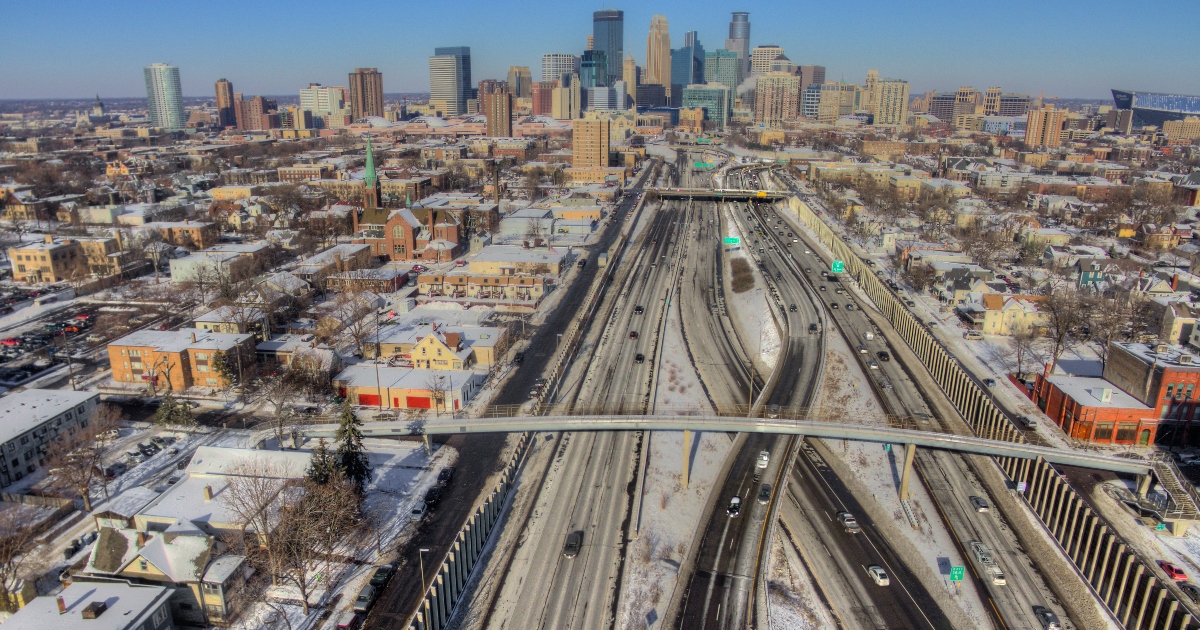

Drunk driving crashes during Minnesota’s holiday season create a dangerous combination — impaired judgment paired with icy winter road conditions. When a drunk driver loses control on snow-covered or frozen roads, the resulting collision often causes far more severe injuries than similar crashes in dry, warm weather. Freezing temperatures, slick highways, and slower emergency response times can turn otherwise survivable crashes into life-threatening emergencies.
TSR Injury Law represents Minnesota victims who suffer serious injuries in winter drunk driving crashes. Our experienced car crash attorneys understand how freezing weather conditions worsen crash injuries and complicate recovery. We work with medical experts who recognize the unique challenges winter crash victims face and account for every factor that may increase the value of your damages.
Insurance companies often downplay how winter conditions contribute to injury severity. They focus on settling claims quickly — before you have an attorney and before you fully understand the long-term impact of your injuries. We push back against these tactics, assess the true value of your damages, and pursue the maximum compensation you deserve for medical costs, lost income, and pain and suffering.
Injured in a winter drunk driving crash? Call TSR Injury Law for your free case review today. (612) TSR–TIME.
Why Do Winter Drunk Driving Crashes Cause More Severe Injuries?
Ice and snow eliminate the margin of control drivers normally rely on to slow down or reduce the force of a collision. When a drunk driver is already impaired, winter conditions dramatically increase the likelihood of high-force impacts that cause catastrophic injuries.
- Higher Impact Speeds: Alcohol slows reaction time and impairs judgment. Drunk drivers often fail to recognize hazards early enough to brake or take effective evasive action. On icy roads, even late reactions may be useless — vehicles slide across frozen pavement at full speed and do not benefit from the braking time that normally reduces crash force. As a result, the body absorbs the full energy of a high-speed impact.
- Reduced Visibility: The communities surrounding the Twin Cities region are well known for their treacherous winter extremes — including blizzards, heavy snowfall, whiteouts, and snow squalls. Reduced visibility makes it harder for impaired drivers to detect stopped traffic, intersections, or pedestrians until it is too late.
- Longer Stopping Distances: All drivers need more time and distance to stop on icy or snow-covered roads. Drunk drivers typically fail to brake early enough even in dry conditions. Combined with winter road hazards, impaired braking dramatically increases the risk of severe and high-speed collisions.
- Black Ice: Winter weather creates numerous dangerous driving conditions in Minnesota — and black ice, which is difficult to detect at night even for sober drivers, may instantly cause vehicles to spin out or skid uncontrollably into other cars, guardrails, or fixed objects.
- Multiple Points of Impact During the Collision: Winter crashes rarely involve a single point of contact. When a drunk driver loses control on ice, the vehicle may strike multiple objects from different angles. Each point of impact during the collision may cause trauma to the head, neck, spine, and internal organs.
- Vehicles Slide After Initial Impact: Cars do not stop immediately when they collide on icy roads. Momentum often causes continued sliding — leading to secondary and tertiary impacts. These additional collisions increase the overall force applied to the body and spread injuries across multiple areas instead of concentrating force in one location.
- Compromised Vehicle Safety Features: Airbags and crumple zones are designed for controlled, direct impacts. Winter crashes often involve side impacts or unpredictable angles that may overwhelm these safety systems, reducing their ability to protect occupants from severe injuries.
How Does Minnesota’s Extreme Cold Exacerbate Crash Injuries?
The moments after a serious crash are critical — and extreme cold adds another layer of danger. When victims are injured and exposed to freezing temperatures, the time spent waiting for rescue and medical care becomes even more critical as injuries may worsen due to cold exposure.
- Hypothermia Occurs More Quickly: Blood loss — common in high-speed crashes — is always dangerous. In freezing conditions, exposure may cause body temperature to drop rapidly, especially if victims are trapped in a vehicle or lying on frozen ground. Hypothermia places additional strain on the cardiovascular system and may worsen shock and bleeding.
- Extreme Cold Slows Blood Clotting: Cold temperatures may interfere with the body’s ability to clot blood normally. Internal bleeding that might be manageable in warmer weather may become life-threatening when the body is cold, increasing the risk of fatal hemorrhaging.
- Frostbite Adds to Crash Injuries: Extended exposure to extreme cold — combined with clothing that may be wet from snow, injuries, or perspiration — causes faster heat loss. This increases the risk of frostbite, particularly in extremities exposed during the crash.
- Impaired Muscle and Mental Function: Cold exposure after an acute injury may impair coordination and mental processing. Victims who remain conscious may feel confused, clumsy, or unable to perform basic tasks — including making a phone call for help.
- Delayed Emergency Response in Winter Weather: Snow-covered roads slow ambulance response times. A ten-minute drive may stretch to thirty minutes or longer. Emergency vehicles must travel cautiously on icy highways, and medical helicopters may be grounded due to poor visibility or heavy snowfall. Delays in treatment increase the risk of serious complications from injuries such as internal bleeding or traumatic brain injury.
Are Drunk Drivers in Minnesota Relieved of Liability if Black Ice or Snow Conditions Led to the Crash?
No. Drunk drivers remain liable for crashes they cause regardless of weather conditions. Minnesota law does not excuse impaired driving simply because roads are icy or snow-covered. Choosing to drive while intoxicated makes the driver responsible for the harm that follows.
- Choosing to Drive Drunk in Winter Is Reckless: Every Minnesota driver knows winter brings dangerous road conditions. Choosing to drive while impaired — when ice and snow already make driving hazardous — demonstrates a reckless disregard for the safety of others.
- Severe Winter Weather Is Foreseeable in Minnesota: Insurance companies may argue that black ice or snow caused the crash. Minnesota courts generally reject this defense when impairment is involved. Winter weather is foreseeable, and drivers are required to adjust their behavior accordingly. Drunk drivers cannot use weather conditions to excuse their impairment.
- Drunk Driving Remains the Proximate Cause: Even if ice contributed to loss of control, the decision to drive while intoxicated remains a primary cause of the crash. A sober driver may have avoided the collision or reduced its severity.
- Compensation Is Still Available: An insurance company cannot avoid responsibility by blaming weather conditions. Victims may recover compensation for injuries, medical expenses, lost wages, and pain and suffering caused by the drunk driver’s negligence.
Are Punitive Damages More Likely if a Drunk Driver Chose to Drive on Icy Roads?
Yes. Choosing to drive drunk when roads are already dangerous from ice and snow may demonstrate deliberate disregard for the safety of others. Under Minnesota law, courts may award punitive damages when conduct rises beyond ordinary negligence.
- Drunk Driving in Winter Worsens the Conduct: A drunk driver who chooses to drive during a Minnesota winter knows they are impaired and knows the roads are hazardous. Making that choice anyway strengthens the argument that their behavior was egregious.
- Punitive Damages Punish and Deter: Punitive damages are intended to punish particularly dangerous behavior and deter similar conduct. Driving drunk in icy conditions may support a claim for these additional damages when supported by clear and convincing evidence.
Frequently Asked Questions About Winter Drunk Driving Crashes in Minnesota
How hard is it to get punitive damages if my winter crash was caused by a drunk driver?
Punitive damages in Minnesota require clear and convincing evidence that the driver acted with deliberate disregard for your safety. Driving drunk on icy roads may help establish this standard, but punitive damages are not automatic. Your attorney must prove the conduct warrants punishment beyond compensatory damages.
If the driver who caused my winter crash was drunk, is the insurance company more likely to settle?
No. Insurance companies know these cases carry higher potential exposure — including punitive damages — and often attempt to settle quickly for less than full value. They frequently fight these claims aggressively, which is why working with an attorney who understands insurance tactics is critical.
Can I still sue if the drunk driver’s insurance company says I share some blame for my winter crash?
Yes. Minnesota’s comparative fault system allows recovery if you are less than fifty-one percent at fault. Any compensation awarded is reduced by your percentage of fault, but a drunk driver cannot escape liability by blaming black ice or winter conditions.
TSR Injury Law Understands the Full Scope of Winter Crash Injuries
Insurance companies want to treat winter crashes like any other collision. They ignore how freezing temperatures, delayed rescue, and extended recovery times increase your damages. We work with medical experts who recognize the additional complications Minnesota winters create for crash victims. Our team accounts for every factor that increases the severity of your injuries when calculating the compensation you deserve.
At TSR Injury Law, our experienced car crash lawyers present the complete picture of how winter conditions impacted the severity of your injuries and the length of your recovery. We don’t back down to insurance companies and always demand full compensation for your losses.
Worried about the cost of calling a lawyer? Don’t be. Your initial consultation is completely free. When we represent you, there are also no upfront fees or out-of-pocket costs to pay. Because we take car crash cases on contingency, you only pay our fees if we win.
Injured by a drunk driver this winter? Call Our Trusted Minnesota Car Crash Lawyers today. (612) TSR–TIME.