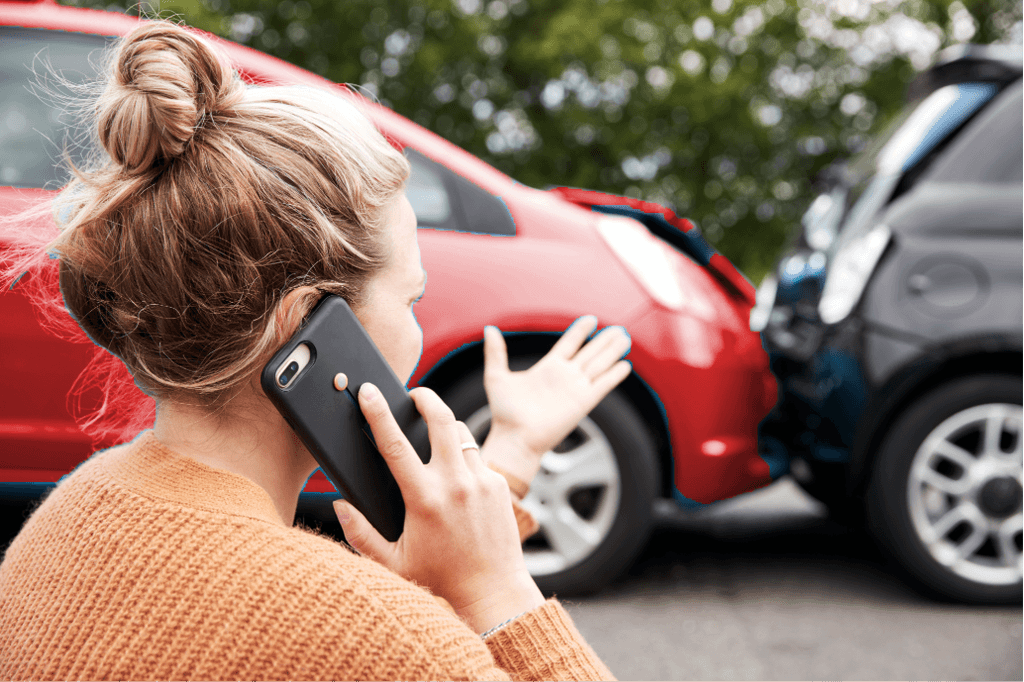
Sometimes crashes come down to one driver’s word against another’s. Maybe the driver in front of you slammed on the brakes for no clear reason, and now they’re blaming you for the rear-end collision even though you know it wasn’t your fault.
These disputes are common, especially after brake-checking incidents. Insurance companies rarely settle a claim on one driver’s word alone.
What actually resolves them is evidence: dashcam and traffic camera footage, physical marks left on the road, data pulled from the vehicle’s own computer, and accounts from people who saw it happen with nothing to gain either way. Here’s how all these pieces come together to prove fault after a word-against-word crash.
The Power of Unbiased Dashcam Footage
Dashcam footage carries a kind of weight witness testimony never will because a camera has no stake in the winner of a case. It captures what actually happened in real time, which is exactly the kind of proof that can settle a dispute or answer the question of who did what to who.
Clear dashcam footage can show:
- Which lane a driver was in and whether they held it
- Whether a turn signal was flashing before a lane change or turn
- How fast a vehicle was moving in the seconds before impact
- Whether brake lights came on before a sudden stop
- Road and weather conditions at the time of the crash
- How the other driver behaved immediately after the crash
None of this helps if the footage can’t be trusted. To protect it, we recommend you:
- Save the original file, not a screen recording or a copy
- Note the exact date and time it was captured
- Don’t edit or trim the clip before sharing it with an attorney
- Keep a record of who has had the footage and how it’s been stored since the crash
That last point is what’s known as chain of custody: a documented trail proving the footage hasn’t been altered. It’s what makes a video far more likely to hold up if a case goes to court.
Decoding Physical Evidence: Skid Marks and Vehicle Dynamics
When there’s no dashcam, the road itself can help tell the story. Skid marks and other tire evidence can reveal what a driver did (and sometimes didn’t) do in the seconds before a crash. Not all tire marks mean the same thing, however:
- Straight lines are left when a driver locks up the brakes
- Curving yaw marks are a sign that a vehicle started sliding sideways as it lost traction, often during a swerve or sudden turn
- Lighter, more broken-up or smeared looking marks tend to be a result of anti-lock brakes pulsing during a hard stop
Accident reconstruction experts can also use the length of skid marks, combined with the road surface’s friction coefficient (a measurement of how much grip the road provided), to calculate a vehicle’s approximate speed before the crash. That number can directly contradict a driver who insists they were going the speed limit. Debris fields, crush patterns on the vehicles, and fluid trails left on the pavement can also help pinpoint exactly where an impact occurred within the intersection or lane.
Extracting Truth From the Event Data Recorder (EDR)
Most vehicles built after 2012 come equipped with an event data recorder, or EDR. It’s a small device, often referred to as a black box, usually located near the front console or under a seat, that captures a short burst of data whenever a crash-like event triggers it, including:
- Throttle position
- Brake application
- Steering angle
- Seatbelt status
Under the federal Driver Privacy Act of 2015, that data belongs to the vehicle’s owner, and accessing it generally requires the owner’s written consent or a court order. That’s one reason getting an attorney involved early matters.
This data can settle a dispute outright. If a driver claims they braked well before the crash but the EDR shows no brake application until a fraction of a second before impact, that’s a hard number an insurance adjuster won’t be able to argue with. The same goes for a driver who insists they weren’t speeding. Once something is captured, it’s captured.
Leveraging Eyewitnesses and Third-Party Neutral Evidence
Not every piece of evidence comes from a machine. People who saw the crash happen, and who have no reason to favor either driver, can also provide assistance during a disrupted claim.
There’s a meaningful difference between a passenger’s account and an independent witness’s. A passenger in either vehicle has an obvious stake in how the story gets told. A pedestrian, a nearby business employee, or a driver in another lane who saw the whole thing has no reason to adjust their account one way or the other, making their statements more persuasive to an adjuster or jury.
Footage doesn’t have to come from a dashcam to help, either. Doorbell cameras, storefront security systems, and traffic cameras near an intersection can all catch an angle a driver’s own dashcam missed. It’s always worth asking nearby businesses and homeowners whether their cameras caught anything before that footage gets overwritten.
The strongest witness statements include more than just what someone saw. They should note:
- The exact date, time, and location
- The witness’s vantage point and how they were able to see what they’re describing
- What they observed specifically, including vehicle positions, estimated speeds, and actions like braking or signaling
A vague or secondhand account won’t carry the same weight as one built on solid details like those listed above.
Who Is at Fault if Someone Brake-Checks You?
Who’s at fault if someone brake checks you generally comes down to whether or not the sudden stop had a lawful reason behind it. Brake-checking happens when a driver slams the brakes suddenly, often to intimidate or retaliate against another driver, without any clear or lawful reason for the sudden stop.
Minnesota law states that a driver cannot suddenly slow down or stop without signaling the driver behind them unless there’s a good and sufficient reason not to, under the same Minnesota Statute 169.19 that governs turn signals. A driver who brake-checks another vehicle without a legitimate reason for stopping can be found at fault for a resulting rear-end collision, even though rear-end crashes are usually presumed to be the following driver’s fault.
When unsure about how to prove brake checking, remember to gather this essential evidence:
- Dashcam footage showing brake lights coming on without a legitimate reason
- EDR data confirming the timing and abruptness of the stop
- Witness accounts of the driver’s behavior beforehand
Together, these things can show that a rear-end crash wasn’t simply a matter of following too closely.
Call Our Trusted Minnesota Law Firm Today
Proving fault in a word-against-word crash takes more than a strong memory of what happened. It takes evidence and knowing how to gather, preserve, and present it before an insurance company gets the chance to spin its own version of events.
If you were hurt in a brake-checking incident, or any collision where fault is being disputed, TSR Injury Law can help you build your case.
Call (612) TSR-TIME for a free consultation. Let’s prove what really happened together.